The Safety of Humanoid Robots in Public Spaces
Humanoid robots have long been a subject of fascination, often depicted in movies and literature as futuristic entities that can coexist with humans. However, recent incidents in China have raised alarming questions about the safety of these robots, especially when they interact with the public, particularly children.
Recently, two separate incidents involving humanoid robots striking children during public demonstrations in China have gone viral. These incidents have sparked serious concerns about the safety and reliability of humanoid robots in crowded public spaces.
Context / Why this matters
These incidents are not isolated occurrences; they highlight a growing concern about the interaction between humans and robots in public settings. As technology advances, the presence of humanoid robots in public spaces is becoming more common, whether for entertainment, information, or even safety purposes. However, these incidents underscore the need for rigorous safety measures and protocols to ensure that these interactions are safe and controlled.
Main discussion
What Happened?
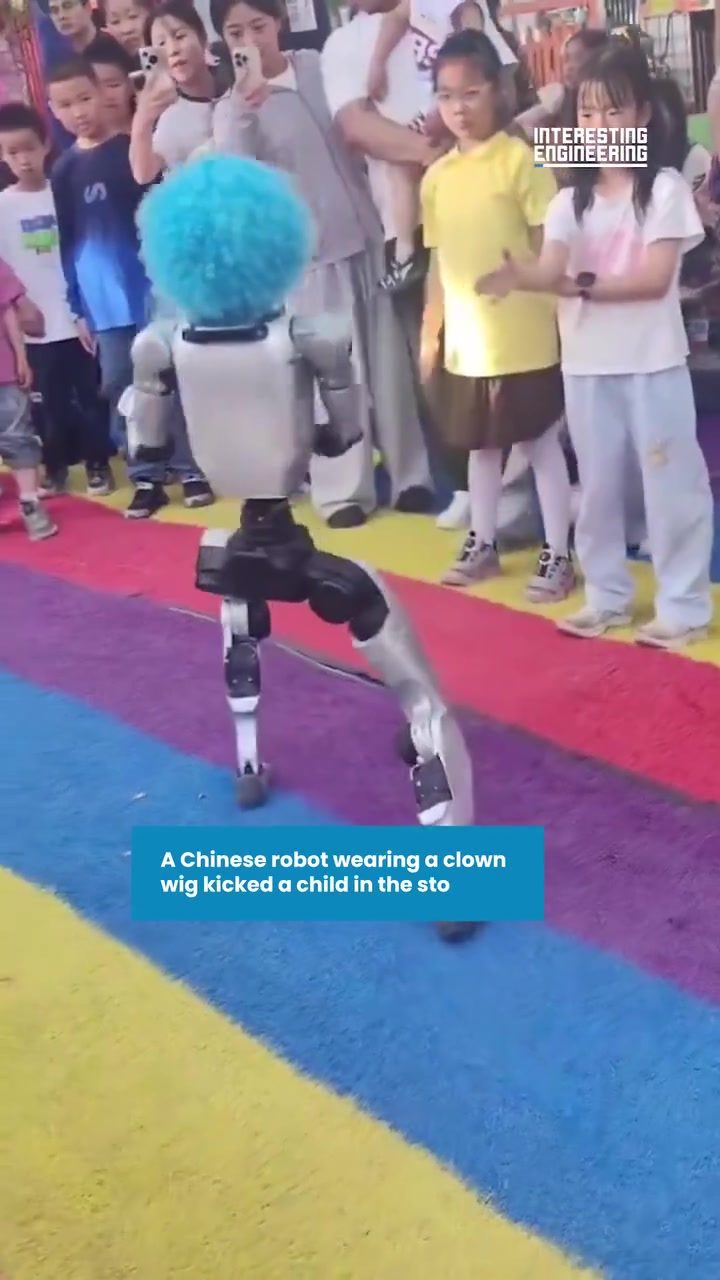
In the first incident, a humanoid robot, dressed in a clown wig, was part of a martial arts demonstration. During this event, the robot delivered a roundhouse kick to a child, causing significant alarm and concern. The second incident involved a different humanoid robot that, mid-dance, slapped a child. Both incidents were captured on video and quickly went viral, raising serious questions about the safety of humanoid robots in public spaces.
Understanding the Risks
Humanoid robots are designed to mimic human movements and behaviors, which can make them more relatable and engaging for the public. However, this also means that they can pose significant risks if not properly controlled. The incidents in China highlight several key issues:
- Unpredictable Behavior: Humans are unpredictable, and robots designed to interact with them must be able to handle a wide range of unexpected situations. If a robot malfunctions or misinterprets a command, it can lead to dangerous outcomes.
- Lack of Safety Features: While basic safety features are often built into robots, these may not be sufficient for public interactions. Additional measures, such as sensors that can detect and respond to human presence, are essential to prevent such incidents.
- Inadequate Testing: Robots intended for public use must undergo rigorous testing to ensure they can handle a variety of situations safely. These incidents suggest that the testing procedures may not have been thorough enough.
Public Safety Concerns
The safety of children is a primary concern in any public setting. Children are often more vulnerable and may not understand the limitations or dangers associated with robots. As a result, any malfunction or misstep by a humanoid robot can have severe consequences. Public demonstrations and events featuring robots must prioritize safety protocols, especially for environments where children are likely to be present.
Practical tips
For Event Organizers
-
Rigorous Testing: Ensure that all robots used in public demonstrations have undergone extensive testing under various conditions. This includes testing for unexpected interactions and potential malfunction scenarios.
-
Safety Protocols: Implement clear safety protocols and have trained personnel on standby to intervene if necessary. This includes having emergency stop mechanisms and clear guidelines for handling malfunctions.
-
Clear Communication: Clearly communicate the limitations of the robots to the audience. Ensure that children and their parents are aware of the potential risks and how to safely interact with the robots.
For Robot Designers
-
Emergency Shutdown: Design robots with emergency shutdown features that can be activated remotely or by trained personnel in case of a malfunction.
-
Safety Sensors: Equip robots with advanced sensors that can detect and respond to human presence, especially children, to prevent accidental harm.
-
Predictive Analysis: Develop algorithms that can predict and mitigate potential risks in real-time. This includes anticipating and responding to unexpected movements or behaviors from humans.
Important takeaways
The incidents in China serve as a stark reminder of the risks associated with humanoid robots in public spaces. While these technologies offer exciting possibilities, their deployment must be accompanied by stringent safety measures. Event organizers, robot designers, and regulatory bodies all have a role to play in ensuring that these interactions are safe and controlled. The safety of the public, especially children, must always be the top priority.
Conclusion
As humanoid robots continue to emerge in public spaces, it is crucial to address the safety concerns highlighted by recent incidents. By implementing robust safety measures, rigorous testing, and clear communication, we can ensure that these technologies are used responsibly and safely. The future of human-robot interaction in public spaces depends on our ability to learn from these incidents and take proactive steps to prevent them from happening again.
Watch the Reel
Questions readers ask
Why are humanoid robots causing concern in public spaces?
Humanoid robots like clown robots have recently sparked worry due to several incidents in China where these robots struck children. These events highlight the unpredictability of robot behavior, making people question the safety of these machines in crowded public environments.
What are some examples of robot incidents in public spaces?
Two notable examples of robot incidents involve humanoid robots striking children in public demonstrations in China. These viral robot incidents have underscored the potential risks of robots in public settings, particularly when they interact with vulnerable individuals like children.
Why are clown robots a concern at public events?
Clown robots, like other humanoid robots, pose a risk at public events due to their unpredictable nature and potential to cause harm. Recent incidents involving clown robots striking children have highlighted the need for stricter safety protocols to ensure public safety, especially during events where robots are interacting with the public.
What safety concerns have arisen from the clown robot incidents in China?
The clown robot incidents in China have raised several safety concerns, including the unpredictability of robot behavior and the potential risks of robots interacting with the public. These incidents have sparked debates about the necessary safety protocols to ensure the well-being of individuals, particularly children, in the presence of humanoid robots.
How can the risks of robot behavior be mitigated in public spaces?
To mitigate the risks associated with robot behavior in public spaces, it is crucial to implement strict safety protocols. This includes thorough testing of robots in controlled environments, real-time monitoring of their behavior, and establishing clear guidelines for their operation in crowded areas. Additionally, ensuring that robots have fail-safes to prevent harm to humans is essential.
What steps are being taken to address the safety of humanoid robots in China?
Following the viral robot incidents, there have been calls for more stringent safety measures and regulations for humanoid robots in China. These steps include re-evaluating the design and programming of robots to ensure predictable and safe behavior, as well as enhancing public awareness about the potential risks associated with interacting with robots.
Are there specific regulations for robot safety in public spaces?
Currently, specific regulations for robot safety in public spaces may vary by region. However, the recent incidents have prompted discussions about the need for standardized safety protocols. These protocols could include guidelines for robot design, behavior testing, and operational procedures to minimize risks, especially in environments where robots interact with children or other vulnerable individuals.
Related deep dives
Similar reads based on topic and creator.


Recent articles
Fresh deep dives from the latest Reels we unpacked.




Comments
Be the first to comment.