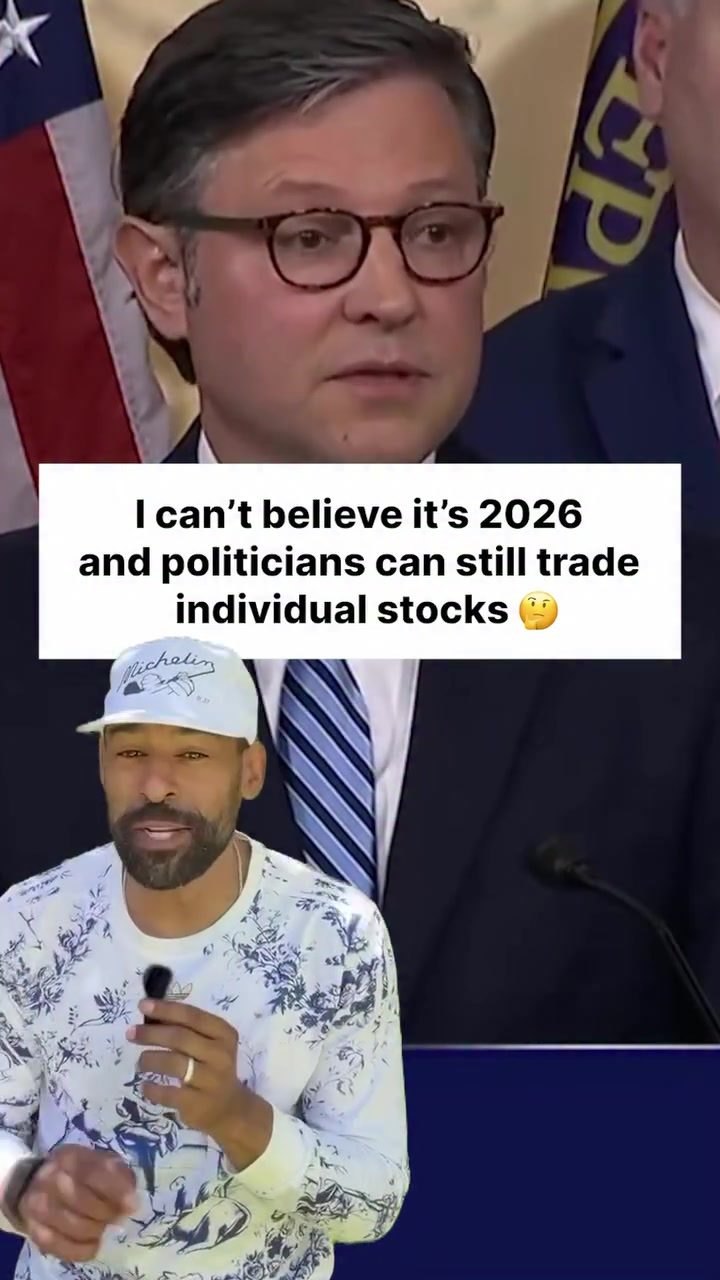
Politicians' Stock Trading Practices
There are two investment funds, called NANC and KRUZ, specifically designed to mirror the stock trades of Congress members Nancy Pelosi and Ted Cruz, respectively. These funds are legal and enable ordinary investors to copy the trades of influential politicians. Apps like Autopilot have leveraged this trend, attracting over 180,000 users who have collectively funneled more than a billion dollars into these investments.
What makes this practice particularly concerning is the clear advantage politicians have due to their access to non-public information. When politicians serve on powerful committees, they can gain insights into upcoming legislation and market-moving events before the public does. This insider knowledge allows them to make profitable trades before the broader market is even aware of the potential impacts. The Year 2026 is no different. If anything, it is rampant and normalized.
The Information Edge
Politicians often gain an advantage through their roles as lawmakers. They may serve on committees that have early information about legislation or policy changes and trade on that information. This information edge can lead to lucrative trades for them. This, unfortunately, is legal. The laws are not structured to punish such behavior.
Additionally, when politicians who write the laws moving markets have an unfair information advantage, the system remains inherently unfair. It's simple: private knowledge, personal trades, and public laws.
The Copy Edge
Politicians trading individual stocks is nothing new. And neither is the public's desire to mimic their trades. There are apps and ETFs designed to allow everyday investors to follow congressional leaders' portfolios. ETFs like NANC and KRUZ exist solely to mirror the trading strategies of Nancy Pelosi and Ted Cruz. This isn't a conspiracy; it's a business model.
The Autopilot app, for example, allows users to mirror the portfolios of Congress members. Over 180,000 people have used this app to funnel more than a billion dollars into these investments. Donald Trump’s accounts also bought millions in NVIDIA stock days before his administration cleared those chips for export to China, showcasing how both sides of the political spectrum engage in this practice.
The Quiet Kill
Despite widespread public opposition, attempts to ban politicians from trading stocks while in office have repeatedly stalled. Bills have been introduced, bipartisan coalitions have formed, but leadership has consistently thwarted these efforts before they reach a vote. The promise of a ban by Q1 of 2026 came and went without action. This systemic failure underscores the deeper issue: when those writing the rules are exempt from them, the rules are not meant for them; they are meant for the public.
There's also the financial term "exit liquidity." This refers to people who buy at the top so that insiders can cash out at a profit. The public often ends up holding the bag, bearing the losses while politicians profit.
Examples of Politician Involvement in Stock Trading
The practices of politicians are showcased in the examples of Nancy Pelosi and Donald Trump. Nancy Pelosi's portfolio has consistently outperformed the market for years. This demonstrates the significant advantage that politicians can gain from trading on non-public information.
In another instance, accounts tied to Donald Trump bought up to $5 million in NVIDIA stock days before his administration cleared those chips for export to China. In this case, Trump's financial gain was directly tied to a decision made by his own government, highlighting the potential for conflicts of interest. This scenario is particularly concerning as it demonstrates how politicians can use their positions to profit at the public's expense.
The Broader Implications
The issue of politician stock trading extends beyond individual cases. It touches on broader themes of financial ethics, transparency, and public trust. The current system allows politicians to leverage their positions for personal financial gain, undermining the integrity of the markets and the democratic process.
Most notably, the overwhelming majority of Americans, across the political spectrum, support a ban on politicians trading individual stocks while in office. The lack of action on this issue highlights a significant disconnect between public opinion and legislative action. This disconnect is a critical point of concern.
The Mobile App: A Tool for Transparency
The mobile app, which tracks politicians' stock holdings and performance, can act as a tool for transparency. By providing real-time data on politicians' trades, the app enables the public to monitor these practices and hold their representatives accountable. This transparency can be a powerful tool for promoting financial justice and accountability.
A Call for Change
The current system is broken. It allows politicians to profit from their positions while the public bears the risk. The lack of action on this issue highlights the need for meaningful reform. It is essential to ensure that the rules governing financial markets are fair and transparent, promoting accountability and public trust.
Practical Tips for Investors
For investors looking to navigate this complex landscape, it is essential to stay informed and vigilant. Here are some practical tips to consider:
- Stay Informed: Keep track of legislative changes and market-moving events. The more informed you are, the better equipped you will be to make smart investment decisions.
- Diversify Your Portfolio: Diversification can help mitigate the risks associated with individual trades. By spreading your investments across different sectors and asset classes, you can reduce your exposure to any single market-moving event.
- Use Technology: Apps and tools that track politicians' trades can provide valuable insights into market trends. Use these resources to stay ahead of the curve and make informed investment decisions.
- Advocate for Change: Support initiatives that promote financial transparency and accountability. By advocating for meaningful reform, you can help create a more just and equitable financial system.
Important Takeaways
The practices of politicians trading individual stocks while in office are legal and widespread. These practices can lead to conflicts of interest and undermine the integrity of financial markets. The overwhelming majority of Americans support a ban on this practice, but legislative efforts have consistently stalled.
Conclusion
While this issue is nuanced and complex, the need for greater transparency and accountability is clear. It is crucial to promote financial ethics and public trust in the democratic process. By staying informed and advocating for meaningful reform, we can create a more just and equitable financial system.
Watch the Reel
Questions readers ask
What are NANC and KRUZ, and how do they relate to politicians' stock trading practices?
NANC and KRUZ are exchange-traded funds (ETFs) designed to mimic the stock trades of U.S. Congress members Nancy Pelosi and Ted Cruz. These funds allow investors to align their portfolios with the trading activities of these influential politicians, leveraging their stock picks to make their own investment decisions.
Is it legal for politicians to trade stocks using information gained from their roles?
Yes, it is legal for politicians to trade stocks using information gained from their roles, due to the current loopholes in stock trading laws. This practice has raised concerns about fairness, transparency, and the inherent advantages these individuals have over ordinary investors.
What is the advantage that politicians have when trading stocks?
Politicians have a distinct advantage when trading stocks due to the non-public information they can access. This information, which is unavailable to the general public, includes insights into upcoming legislation and market-moving events. This allows them to make more informed and profitable trades.
What is an 'insider trading' law and do they apply to politicians?
Insider trading laws are designed to prevent individuals from making trades based on confidential, non-public information. However, these laws do not explicitly apply to politicians, creating a significant loophole which allows them to trade stocks using information gained from their roles.
Are there any apps or platforms that allow me to copy politicians' stock trades?
Yes, there are apps and platforms, like Autopilot, that enable users to mimic the stock trades of politicians. These platforms attract many investors who seek to align their portfolios with the trading activities of influential figures in the political sphere.
How do apps like Autopilot make money from copying politicians' trades?
Apps like Autopilot generate revenue through subscription fees and trading commissions. Users pay a fee to access the platform's features, and additional charges may apply when they execute trades.
What are the arguments for and against transparency in politicians' stock trading?
Advocates for transparency argue that it promotes fairness and accountability. Knowing a politician's stock portfolio can help identify potential conflicts of interest and provide clarity on their decision-making processes. Critics, however, may argue that excessive transparency could deter qualified individuals from entering public service, and that it might also infringe on their privacy.
Related deep dives
Similar reads based on topic and creator.
Recent articles
Fresh deep dives from the latest Reels we unpacked.




Comments
Be the first to comment.