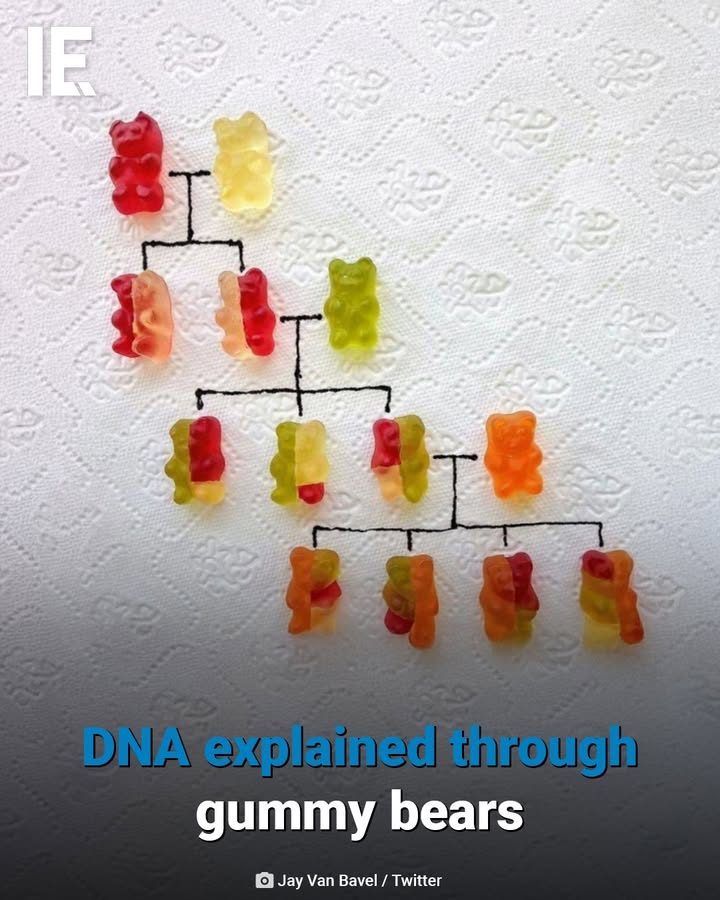
Understanding DNA with Gummy Bears
Deoxyribonucleic acid, or DNA, is a fundamental component of life, encoding the genetic instructions for all known living organisms. While textbooks can be helpful, visual aids can make the concept of genetic inheritance much easier to grasp. One creative way to explain DNA is by using gummy bears — a colorful, edible, and fun approach that makes understanding genetic inheritance patterns more accessible.
Why This Matters
Genetic inheritance is a critical aspect of biology, influencing everything from eye color to disease susceptibility. By visualizing DNA and genetic inheritance through a fun and engaging medium, we can demystify complex biological concepts, making them more approachable for students and enthusiasts alike. This method of visual learning can bridge the gap between abstract concepts and practical understanding, making biology more accessible to a broader audience.
Main Discussion
The Basics of DNA
DNA is a molecule that carries the genetic instructions used in the growth, development, functioning, and reproduction of all known living organisms. It consists of two strands that form a double helix, with each strand made up of a sequence of nucleotides. These nucleotides pair up in specific ways, creating the genetic code that dictates an organism's traits.
Visualizing DNA with Gummy Bears
Using gummy bears to represent DNA takes a complex biological concept and makes it tangible and easy to understand. Each gummy bear can represent a nucleotide, and the way they are arranged can illustrate the structure of a DNA molecule. By arranging the gummy bears in a tree-like structure, you can visually represent how genetic information is passed down from one generation to the next.
The Tree-Like Structure
The tree-like structure of gummy bears helps in understanding how traits are inherited. Each branch of the tree can represent a different generation, with the gummy bears at the ends of the branches representing the offspring. This visual aid makes it easier to see how genetic material is passed down and how traits can be inherited from parents to children.
Color-Coding
Color-coding the gummy bears adds another layer of understanding. Different colors can represent different traits or alleles, making it easier to follow the inheritance patterns. For example, if one color represents the allele for blue eyes and another represents the allele for brown eyes, you can see how these traits are passed down through generations.
Inheritance Patterns
Inheritance patterns can be complex, but visualizing them with gummy bears simplifies the process. By arranging the gummy bears in a family tree, you can observe:
- Dominant and Recessive Traits: Some traits are dominant, meaning they will be expressed if they are present in at least one allele. Recessive traits, on the other hand, require two alleles to be expressed. This can be represented by having one color dominate over another.
- Sex-Linked Traits: Certain traits are carried on the sex chromosomes, meaning they are more likely to be expressed in one gender. This can be visualized by placing the gummy bears representing these traits on the appropriate branches of the family tree.
- Punnet Squares: These are often used to predict the genotypes of offspring based on the genotypes of the parents. By using gummy bears to represent the different possible combinations, you can see how likely it is for a particular trait to be passed down.
Practical Tips
Using Gummy Bears in Education
If you're an educator or a parent looking to teach genetics, gummy bears can be a fun and effective tool. Here are some practical tips:
- Preparation: Start by gathering different colors of gummy bears. Each color can represent a different allele or trait. For example, red could represent brown eyes, and blue could represent blue eyes.
- Arrangement: Arrange the gummy bears in a tree-like structure to represent the family tree. This can help students visualize how traits are passed down from one generation to the next.
- Interactive Learning: Encourage students to manipulate the gummy bears, creating different scenarios and observing the outcomes. This hands-on approach can make the learning process more engaging and memorable.
Common Questions
Understanding genetic inheritance can raise several questions. Here are a few addressed here:
- What Determines Eye Color?: Eye color is determined by multiple genes, not just one. This makes it a polygenic trait, and understanding it with gummy bears can be challenging, especially if you are not using multiple colors to represent different genes.
- What About Mendelian Traits?: Mendelian traits follow the principles of inheritance proposed by Gregor Mendel. These traits are easier to represent with gummy bears, as they typically follow a simple dominant-recessive pattern.
Important Takeaways
Understanding the genetics of inheritance through visual aids such as gummy bears is a simple, effective, and edible approach. This method can make complex biological concepts more accessible and engaging, especially for visual learners. Here are the key points to remember:
- Visualization is Key: Using a visual medium like gummy bears can make it easier to grasp complex concepts in genetics.
- Interactive Learning: Hands-on activities can enhance the learning experience, making it more memorable and engaging.
- Family Trees: Arranging gummy bears in a tree-like structure can help illustrate how traits are passed down from one generation to the next.
Conclusion
Explaining DNA and its patterns of inheritance using gummy bears is an engaging and effective way to make complex genetic concepts more accessible. Whether you’re teaching a classroom full of students or just curious about genetics, this method offers a fun, visual, and tasty approach to understanding the intricacies of DNA. So next time you’re looking to make biology class more interesting, consider reaching for some gummy bears and a bit of sugar-fueled science logic.
Watch the Reel
Questions readers ask
How can gummy bears help explain DNA and genetic inheritance?
Gummy bears can represent the four types of nucleotides that make up DNA—adenine, thymine, cytosine, and guanine. By using different colors to represent each type of nucleotide, you can create a visual model of a DNA strand, making it easier to understand how genetic information is stored and passed down.
What is a DNA nucleotide, and how is it related to gummy bears?
A nucleotide is a basic building block of DNA, consisting of a sugar, a phosphate group, and one of four nitrogenous bases. In the gummy bear model, each color represents a different nitrogenous base, allowing you to see how these bases pair up and form the rungs of the DNA ladder.
Can this method be used to teach kids about DNA and inheritance?
Absolutely! Using gummy bears to demonstrate DNA structure and inheritance is a fun, engaging way for kids to learn about genetics. By making the process interactive and visually appealing, children can better understand how traits are passed down from one generation to the next.
How can a gummy bear model help illustrate genetic patterns?
By creating gummy bear DNA strands for family members, you can show how genetic traits are inherited. For example, you can demonstrate patterns of dominant and recessive traits, such as eye color, by comparing the gummy bear DNA strands of parents and their children.
What are the benefits of using a hands-on approach like gummy bears to learn about DNA?
Hands-on approaches like the gummy bear DNA model can make learning about DNA more engaging and memorable. By physically constructing DNA strands and observing how traits are passed down, learners can gain a deeper understanding and retain the information more effectively.
How can you represent different generations of a family using gummy bears?
To represent different generations, you can create separate gummy bear DNA strands for each family member. By comparing these strands, you can visually trace how traits are inherited from grandparents to parents, and then to children, creating a clear picture of a family’s genetic inheritance patterns.
Can the gummy bear model be used to explain more complex genetic concepts?
While the gummy bear model is great for introducing basic concepts of DNA and inheritance, it can also be adapted to explain more complex ideas, such as mutations and genetic diversity. By altering the gummy bear sequences, you can show how changes in DNA can lead to variations in traits and genetic disorders.
Related deep dives
Similar reads based on topic and creator.




Recent articles
Fresh deep dives from the latest Reels we unpacked.




Comments
Be the first to comment.