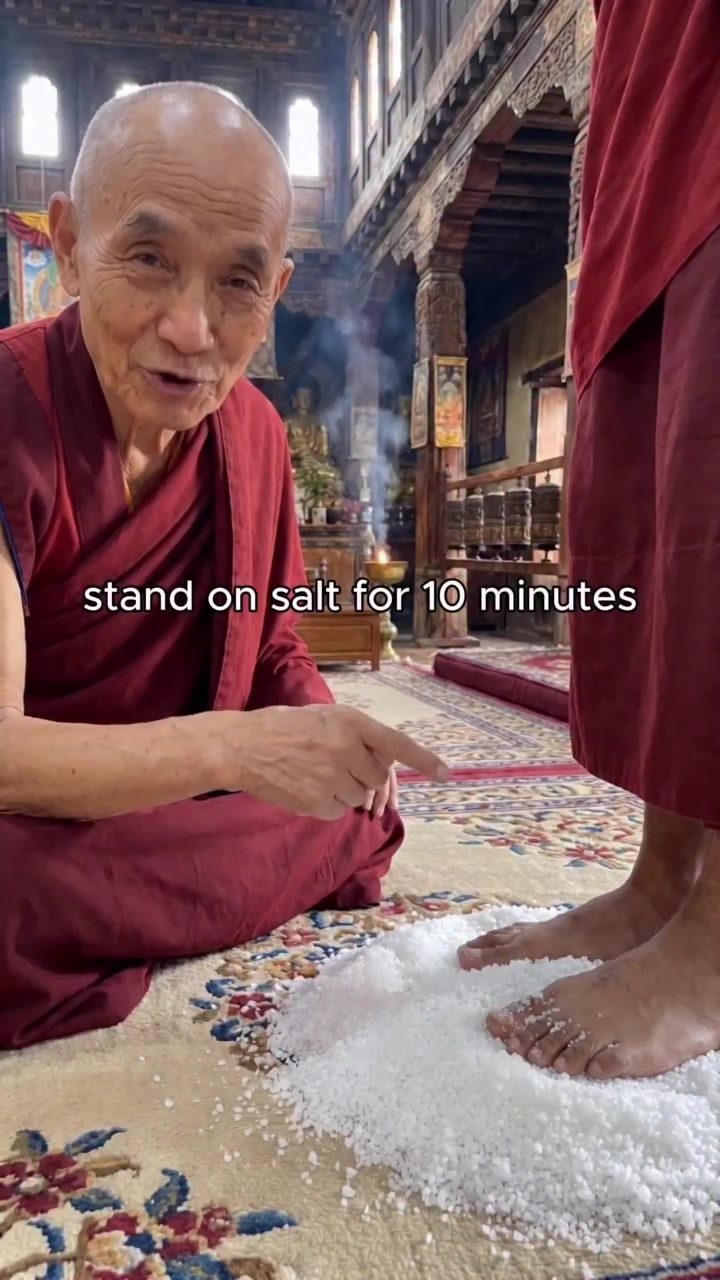
Salt: An Ancient Practice for Modern Healing
Salt, a versatile mineral that's long been a staple in our diets and on our tables, has a lesser-known role in ancient healing practices. One such practice, mentioned in ancient texts, involves standing on salt for a period of time to alleviate various ailments. This practice, rooted in ancient wisdom, offers a unique approach to stress relief, relaxation, and overall well-being.
The Context of Salt Therapy
Salt has been an integral part of human civilization for centuries. Beyond seasoning food, it has been used in various cultures for healing and purification. Monks and healers have long recognized the power of salt to draw out toxins and impurities from the body, making it a valuable tool in their practices. Today, many of these ancient practices are being rediscovered and reintegrated into modern wellness routines. One such practice is standing on salt.
The Practice of Standing on Salt
The Method
The practice is straightforward: spread a thick layer of natural salt on the floor, step onto it barefoot, and stand still for 10 minutes. During this time, the body can experience a multitude of benefits.
The Science
Standing on salt is believed to work by stimulating the 7,000 nerve endings in your feet, which are connected directly to every organ in your body. This stimulation helps to pull built-up tension from your nervous system, promoting a sense of calm and relaxation.
Physical and Emotional Benefits
It is believed that standing on salt can help reduce cortisol levels, which are associated with stress. This can lead to a reduction in inflammation and an easing of muscle tension.
How It Works
The Effect on the Nervous System
The 7,000 nerve endings in your feet act as a direct link to your nervous system. Standing on natural salt can help pull out the built-up tension from your nervous system, calming your entire body from the inside out. This process can lead to a deeper, more restful sleep, which is essential for overall health and well-being.
The Role of Salt
Salt, in particular natural salt, has been used for centuries in purification practices. It is believed to have the power to draw out what the body cannot release on its own. This makes it an effective tool for cleansing the body and restoring the mind.
Historical Context
The practice of using salt for healing is deeply rooted in ancient texts. In many monasteries, monks have long understood the power of salt to cleanse the body and mind. They used sacred salt in purification rituals to restore balance and harmony within the body.
Practical Tips
Choosing the Right Salt
Natural salt is recommended for this practice. It is free from additives and impurities, making it an ideal choice for healing.
Creating the Right Environment
To create a relaxing environment, it is recommended to spread a thick layer of salt on the floor. This can be done in a quiet, comfortable space where you can stand undisturbed for 10 minutes.
Incorporating the Practice into Your Routine
It is recommended to do this practice regularly, perhaps as part of a nightly routine. This can help to establish a calming ritual that promotes better sleep and overall well-being.
Important Takeaways
Holistic Healing
This ancient practice offers a holistic approach to healing, addressing both physical and emotional well-being. By incorporating it into your daily routine, you may notice a reduction in stress and an improvement in sleep quality.
The Power of Natural Remedies
Natural remedies, such as salt therapy, have long been recognized for their healing properties. By tapping into these ancient practices, you can harness the power of natural healing to improve your overall well-being.
Conclusion
Salt, a humble mineral, holds powerful healing properties that have been recognized for centuries. Standing on salt for 10 minutes, a practice rooted in ancient wisdom, offers a simple yet effective way to reduce stress, ease muscle tension, and promote better sleep. By incorporating this practice into your daily routine, you can harness the power of natural healing to improve your overall well-being.
Watch the Reel
Questions readers ask
What type of salt should I use for standing on salt therapeutic purposes?
For standing on salt therapies, it's best to use coarse, natural salts like Himalayan pink salt or sea salt. These salts are free from additives and offer a variety of beneficial minerals. Avoid using refined table salt, as it may contain anti-caking agents and does not provide the same benefits.
How often should I practice standing on salt?
To experience the benefits, aim to stand on salt for 10 minutes daily. If you find this challenging, even a few times a week can still provide notable relief and relaxation. Consistency is key, so try to incorporate this practice into your regular wellness routine.
Can I combine standing on salt with other relaxation techniques?
Absolutely. Standing on salt can complement other relaxation techniques such as deep breathing, meditation, or gentle stretching. Combining these practices can enhance the overall stress-relieving and healing effects, creating a more comprehensive wellness experience.
Is it safe for everyone to stand on salt?
While standing on salt is generally safe for most people, it may not be suitable for everyone. Those with sensitive skin, open wounds, or certain medical conditions should consult a healthcare provider before trying this practice. Additionally, pregnant women and young children should exercise caution and seek medical advice before proceeding.
What should I do if I experience discomfort while standing on salt?
If you feel any discomfort or pain while standing on salt, discontinue the practice immediately. Some people may experience a tingling sensation or minor irritation, but any significant discomfort warrants attention. You can try standing on a towel or reducing the duration of your sessions to ease discomfort.
How does standing on salt help reduce inflammation?
Standing on salt stimulates nerve endings in your feet, which can help reduce inflammation by promoting better circulation and relieving muscle tension. This stimulation may also help lower cortisol levels, your body’s primary stress hormone, further aiding in the reduction of inflammation.
Can I reuse the salt after standing on it?
It's generally recommended to use fresh salt for each session. Over time, the salt can absorb moisture and impurities from your feet, reducing its effectiveness. To maintain hygiene and ensure the best results, consider using a new layer of salt for each session or cleaning the salt tray thoroughly if reusing.
Related deep dives
Similar reads based on topic and creator.

Recent articles
Fresh deep dives from the latest Reels we unpacked.




Comments
Be the first to comment.