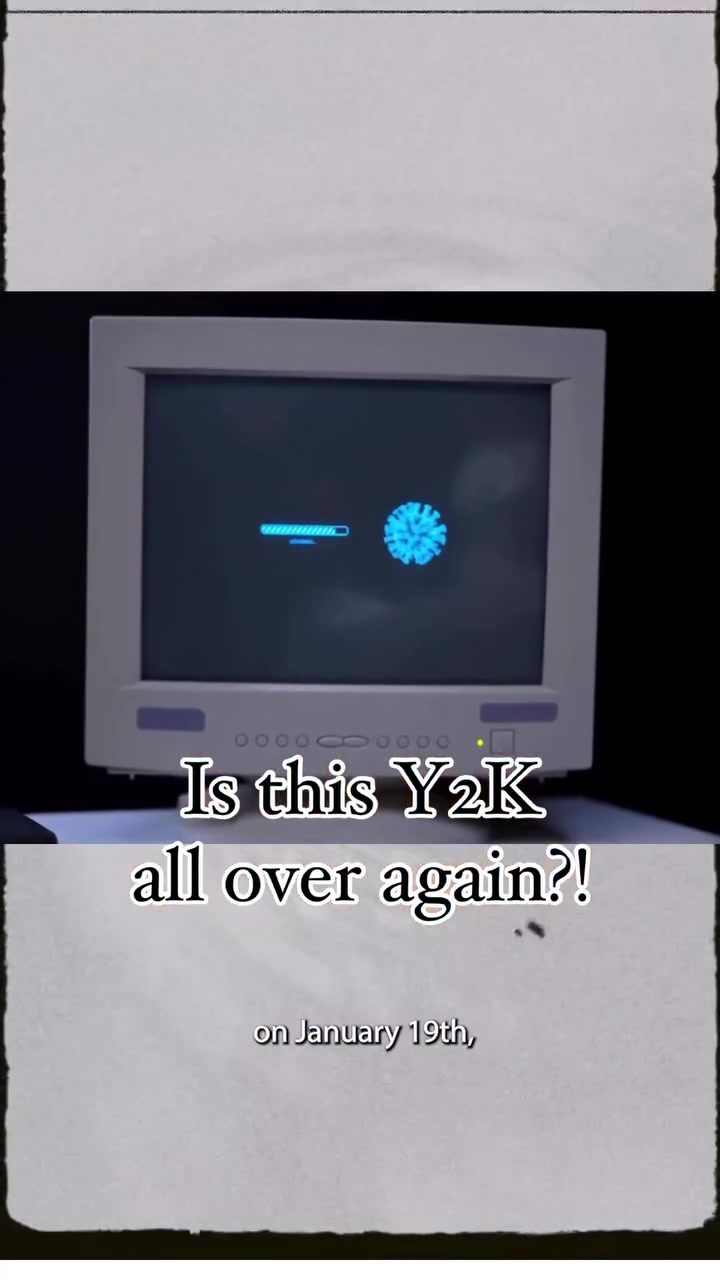
2038 Problem: A Looming Date for Computer Systems
The year 2038 might seem far away, but for many computer systems around the world, it poses a significant challenge. On January 19, 2038, millions of computers could suddenly think it’s 1901. The implications are daunting: power plants could shut down, banking systems could freeze, and satellites could lose their orbits. The root of this problem lies in a critical system that tracks time by counting seconds since January 1, 1970.
Context: Unix Time and the 32-Bit System
The issue is embedded in a system known as Unix time. Unix time is used in virtually every computer and device, from traffic lights to nuclear power plants, to track the passage of time. Originally, Unix time was stored using 32 bits. This means the system can count up to a maximum of about 2.1 billion seconds before it resets. In 2038, this 32-bit counter will reach its maximum value and reset, causing the system to interpret the time as negative, which will make it appear as though it’s 1901.
The Y2K Problem in Reverse
This is reminiscent of the Y2K bug, where the two-digit year format caused widespread concerns about computer systems failing on January 1, 2000. The 2038 problem is similar in that it involves a fundamental limitation in how time is stored and processed. However, the 2038 problem is more insidious because it involves not just dates but the very seconds-long tracking of time since 1970.
Understanding the 32-Bit Counter
The Unix time system is designed to count seconds since the Unix epoch, which began on January 1, 1970. When initial Unix systems were created, a 32-bit counter was chosen to store this time. A 32-bit integer can hold values from -2,147,483,648 to 2,147,483,647. On January 19, 2038, this counter will reach its maximum positive value and subsequently roll over to a negative value, effectively causing the system to interpret the current time as being around 1901.
Why the Reset to 1901?
The reason for the reset to 1901 is rooted in the way computers store time. When the 32-bit number reaches its maximum value and resets, it starts counting from the negative end of its range. This means that the system will start interpreting dates as if they are far in the past. Because Unix time starts from 1970, a negative value will lead the system to believe it is in 1901.
Practical Implications
Systems that rely on accurate timekeeping, such as banking systems, traffic lights, and critical infrastructure, will face severe disruptions. For example, a banking system might think your mortgage payment is due 137 years ago, or a power plant safety system might believe it hasn’t been maintained since 1901. These discrepancies could lead to catastrophic failures.
Why Can't We Just Update Everything?
The code responsible for tracking Unix time is deeply embedded in critical systems. These systems are often unable to be turned off for an upgrade, making a wholesale replacement of these systems an impractical solution. This is the primary reason why the 2038 problem is so challenging to address.
Potential Solutions
There are several strategies being considered to mitigate the 2038 problem:
Upgrading to 64-Bit Systems
The simplest fix is to move from a 32-bit system to a 64-bit system. This would allow the system to count time for billions of years, far beyond the 2038 threshold. Some modern systems already use 64-bit architecture, but many older systems are still in operation.
Time Translation
Some companies are employing a workaround known as "time translation." This involves adding a layer to the system that converts between the old 32-bit time format and the new 64-bit format. Think of it as a translator that can speak both languages, allowing the old and new systems to communicate effectively.
Setting System Clocks Back
Another solution involves setting the system clocks back by 20 years. This buys time to replace equipment gradually, rather than all at once. This gradual replacement can help critical systems maintain operational stability while undergoing necessary upgrades.
Full System Rebuilds
The most critical systems, such as nuclear power plants and satellites, are being completely rebuilt with new hardware. This involves significant investment and effort, but it ensures that these systems are prepared for the 2038 transition. The cost of such rebuilds can run into the billions of dollars.
Important Takeaways
The 2038 problem presents a unique challenge for computer systems. Understanding the root cause, the potential impact, and the available solutions is crucial for navigating this issue. Whether through upgrading to 64-bit systems, using time translation, setting clocks back, or completely rebuilding critical systems, proactive measures are essential for preventing a global technological catastrophe.
Practical Tips
To prepare for the 2038 problem, consider the following steps:
- Inventory Check: Identify systems that are still using 32-bit timekeeping.
- Upgrade Path: Develop a plan to move these systems to 64-bit architectures.
- Time Translation: If an immediate upgrade is not possible, consider implementing a time translation layer.
- Backup Systems: Ensure that critical systems have backup solutions in place.
- Training and Awareness: Educate your workforce on the potential impact and solutions for the 2038 problem.
By addressing the 2038 problem now, we can ensure that our systems remain reliable and functional, preventing the potential disruptions that could arise from this looming date.
Watch the Reel
Questions readers ask
What is the Unix time 2038 problem?
The Unix time 2038 problem, also known as the Year 2038 bug, refers to the issue where systems using a 32-bit counter for Unix time will reach their limit on January 19, 2038, causing a system clock rollback to 1901.
Why do systems using Unix time go back to 1901 in 2038?
Systems go back to 1901 because the 32-bit counter used for Unix time starts from January 1, 1970. When it reaches its limit in 2038, it wraps around and begins counting from the negative side, effectively resetting the clock to a date in 1901.
What is a 32-bit time counter and what does it have to do with the 2038 problem?
A 32-bit time counter is a system that tracks time using 32 bits. This means it can represent a maximum of 2^32 seconds. As the Unix epoch starts on 1970, this limit is reached on January 19, 2038, causing the counter to overflow and the system to interpret dates as 1901.
How does the Year 2038 bug compare to the Y2K bug?
The Year 2038 bug is similar to the Y2K bug in that both are related to time tracking systems. The Y2K bug was caused by systems using a two-digit year format, while the 2038 bug is caused by a 32-bit counter that will overflow and cause systems to reset to 1901.
What kinds of systems are affected by the 2038 problem?
Many systems are affected, including those in critical infrastructure like power plants, banking systems, and satellites. Any device or software that uses the 32-bit Unix time counter could be impacted, potentially leading to failures or malfunctions.
What happens to systems that use 64-bit Unix time?
Systems using a 64-bit Unix time counter are not affected by the 2038 problem. The 64-bit counter allows for a much larger range, avoiding the overflow issue seen with 32-bit counters. This makes 64-bit systems capable of accurately tracking time well beyond the year 2038.
What can be done to prevent the 2038 problem?
To prevent this issue, systems can be updated to use a 64-bit counter for time tracking. This update allows the system to handle a much larger range of dates, thereby avoiding the counter overflow that causes the rollback to 1901. It’s crucial for system administrators and developers to prepare for this transition before 2038.
Related deep dives
Similar reads based on topic and creator.


Recent articles
Fresh deep dives from the latest Reels we unpacked.




Comments
Be the first to comment.