Robotic Production: Revolutionizing Manufacturing with Humanoid Robots
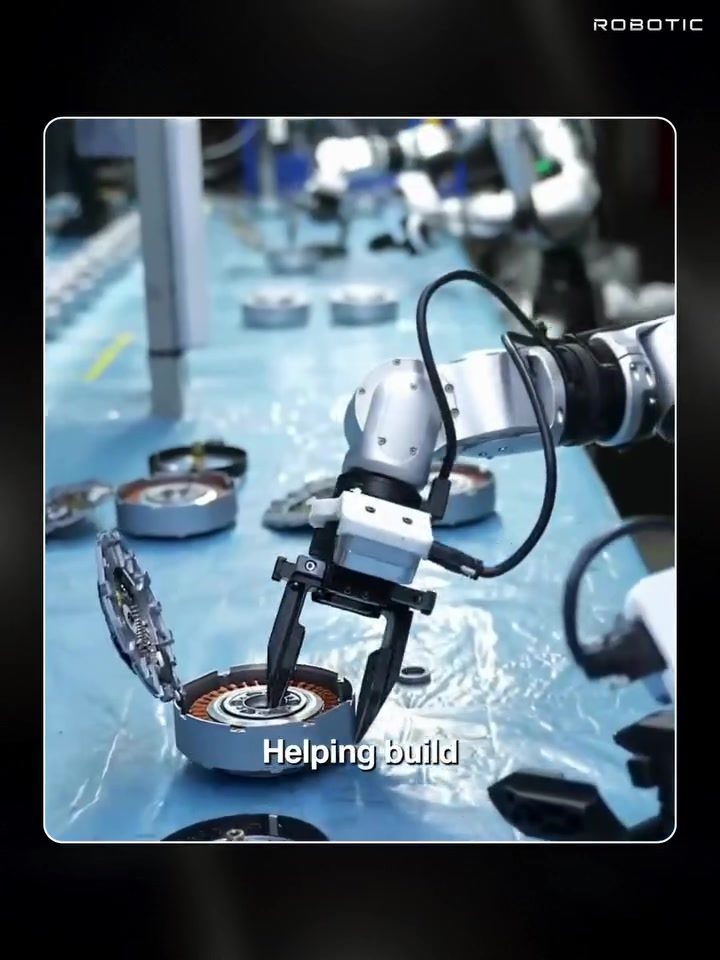
The integration of humanoid robots in manufacturing is transforming industrial automation. Unitree Robotics has taken a significant step in this direction by deploying its G1 Humanoid robot in factory operations. This innovative approach involves using robots to assemble other robotic components, marking a new era in production efficiency and innovation.
Why This Matters
The rise of robotic production is not just about automating repetitive tasks; it's about creating a more efficient, scalable, and adaptive manufacturing process. By allowing robots to participate in building future robots, the system aims to streamline operations, reduce human intervention, and ultimately enhance industrial workflows.
Main Discussion
The Role of the G1 Humanoid
The G1 Humanoid, developed by Unitree Robotics, is at the forefront of this transformation. Powered by an embodied AI system, the G1 performs production tasks independently. This includes assembling and testing robotic components with minimal human oversight. The G1's ability to operate autonomously is a testament to the advancements in AI-driven machinery.
The Production Line Revolution
The integration of humanoid robots in the production line has several key advantages. Firstly, it allows for a more consistent and precise assembly process. Robotic arms, such as those used by Unitree Robotics, can manipulate components with a level of accuracy that is difficult to achieve manually. This precision is crucial in the manufacturing of complex robotic systems.
Secondly, the use of robots in production tasks reduces the risk of human error. Robots do not fatigue and can maintain a high level of performance over extended periods. This consistency is essential for maintaining high-quality standards in manufacturing.
Scalability and Efficiency
One of the primary goals of integrating humanoid robots into the production process is to scale output. By allowing robots to take part in building future robots, the production process becomes more efficient. This not only increases the output but also reduces the time and cost associated with human labor. The strategy of using robots to build robots is a self-sustaining model that can significantly enhance manufacturing capabilities.
Embodied AI and Autonomous Operations
The G1 Humanoid is powered by an embodied AI system, which enables it to perform tasks autonomously. This system allows the robot to adapt to different scenarios and make decisions independently. The embodied AI is a significant advancement in robotic technology, as it integrates the robot's physical capabilities with its cognitive functions. This integration is crucial for performing complex production tasks with minimal human intervention.
The Future of Industrial Automation
The future of industrial automation lies in the integration of AI-driven machines into the manufacturing process. Unitree Robotics' use of the G1 Humanoid is a step towards this future. By demonstrating how AI-driven machines can enhance industrial workflows, Unitree Robotics is paving the way for other companies to adopt similar technologies. The ultimate goal is to create a more efficient, scalable, and adaptive manufacturing process that can meet the demands of a rapidly changing industrial landscape.
Practical Tips for Implementing Robotic Production
For companies looking to implement robotic production, there are several key considerations. Firstly, it is essential to invest in high-quality robotic systems that are capable of performing complex tasks autonomously. Secondly, companies should focus on integrating AI-driven machines into their production lines to enhance efficiency and scalability. Finally, it is crucial to train staff on how to work with robotic systems to ensure a smooth transition.
Investing in High-Quality Robotic Systems
Investing in high-quality robotic systems is the first step towards implementing robotic production. Companies should look for systems that are powered by advanced AI technologies and are capable of performing a wide range of tasks autonomously. This will ensure that the production process is efficient and scalable.
Integrating AI-Driven Machines
Integrating AI-driven machines into the production line is another essential step. These machines can enhance efficiency and scalability by performing tasks with minimal human intervention. This integration will also reduce the risk of human error and improve the overall quality of the production process.
Training Staff
Training staff on how to work with robotic systems is crucial for a smooth transition. Companies should provide comprehensive training programs that cover all aspects of robotic operation and maintenance. This will ensure that staff are equipped to handle any issues that may arise and can work effectively with the robotic systems.
Important Takeaways
The integration of humanoid robots in manufacturing is a significant step towards enhancing industrial automation. Unitree Robotics' use of the G1 Humanoid demonstrates how AI-driven machines can improve manufacturing efficiency and streamline operations. The key takeaways from this innovative approach include:
- Precision and Consistency: Robotic arms can manipulate components with a level of precision and consistency that is difficult to achieve manually.
- Efficiency and Scalability: Using robots to build robots is a self-sustaining model that can significantly enhance manufacturing capabilities.
- AI-Driven Machines: The integration of AI-driven machines into the production process is crucial for enhancing efficiency and scalability.
- Future of Industrial Automation: The future of industrial automation lies in the integration of AI-driven machines into the manufacturing process.
Conclusion
The use of humanoid robots in manufacturing is revolutionizing the way industrial automation is approached. Unitree Robotics' deployment of the G1 Humanoid in factory operations is a prime example of how AI-driven machines can enhance production efficiency and streamline operations. By allowing robots to participate in building future robots, the system aims to create a more efficient, scalable, and adaptive manufacturing process. This approach not only reduces the risk of human error but also improves the overall quality of the production process. As companies continue to adopt similar technologies, the future of industrial automation looks brighter than ever.
Watch the Reel
Questions readers ask
What makes the Unitree G1 Humanoid unique in the manufacturing industry?
The Unitree G1 Humanoid stands out because it is designed to autonomously assemble robotic components, reducing the need for human intervention and minimizing errors in the process. This capability sets it apart from traditional robotic systems, enhancing both efficiency and precision in manufacturing.
How does the G1 Humanoid improve production efficiency?
The G1 Humanoid improves production efficiency by streamlining the assembly process of robotic components. Its ability to work autonomously ensures consistent performance and reduces downtime, leading to faster and more reliable production cycles.
Can the G1 Humanoid perform tasks beyond robot assembly?
While the G1 Humanoid is specifically designed for robot assembly, its advanced capabilities in humanoid robotics suggest potential for other tasks that require precision and adaptive behavior. However, its current focus is on enhancing the assembly of robotic components to support the broader goals of factory automation.
What are the benefits of using humanoid robots like the G1 in manufacturing?
Humanoid robots like the G1 bring several benefits to manufacturing, including increased precision, reduced human error, and the ability to work in environments that may be hazardous or uncomfortable for humans. They also contribute to a more scalable and adaptable production process, allowing for greater flexibility in manufacturing operations.
How does the G1 Humanoid contribute to the scalability of manufacturing processes?
The G1 Humanoid contributes to the scalability of manufacturing processes by automating the assembly of robotic components, which can be quickly and efficiently replicated as demand increases. This ensures that production can ramp up without a proportional increase in human labor, making it easier to scale operations according to market needs.
What types of robotic components can the G1 Humanoid assemble?
The G1 Humanoid is capable of assembling a variety of robotic components, including robotic arms and other complex mechanical parts. Its design allows it to handle precise tasks typically requiring human dexterity, making it a versatile tool in the manufacturing of advanced robotic systems.
How does the G1 Humanoid enhance industrial workflows?
The G1 Humanoid enhances industrial workflows by autonomously managing the assembly of robotic components, which reduces the need for human oversight and intervention. This not only speeds up the production process but also allows human workers to focus on more strategic and creative tasks, optimizing overall industrial operations.
Related deep dives
Similar reads based on topic and creator.



Recent articles
Fresh deep dives from the latest Reels we unpacked.




Comments
Be the first to comment.