Robot Wheels: The Future of Mobility for Humanoid Robots
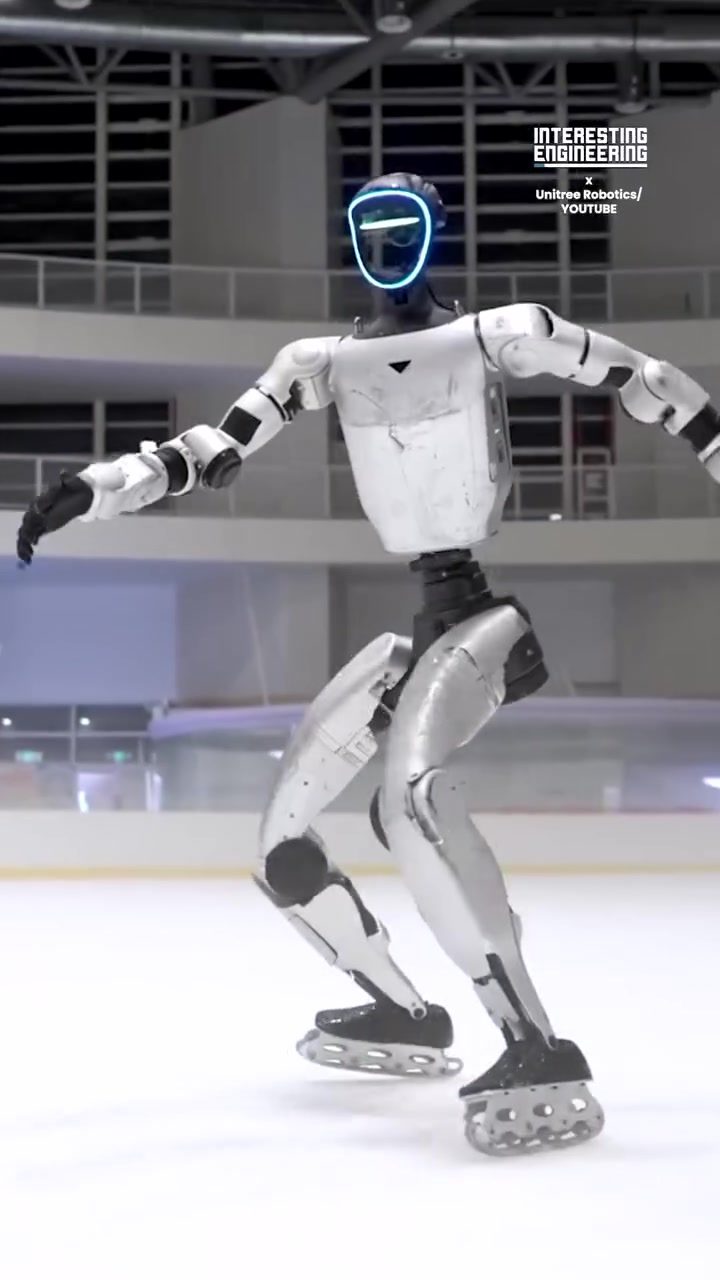
The sight of a robot on wheels is no longer a far-fetched idea but a reality, as showcased by Unitree Robotics. Their creations exemplify advanced engineering and robotics, with impressive balance and agility. This progression opens up new possibilities for mobility and functionality in humanoid robots.
Context / Why This Matters
Robots on wheels are becoming increasingly prominent in the field of robotics and engineering. The transition from static, immobile robots to agile, mobile ones represents a significant leap forward in how we interact with and utilize these machines. The capabilities demonstrated by Unitree Robotics' robots underscore the potential of this technology to revolutionize various industries, from scientific research to industrial applications.
Unitree Robotics' robots showcase remarkable balance and agility, performing intricate movements that resemble human actions. This progression highlights the advancements in robotics and engineering, pushing the boundaries of what robots can accomplish.
Main Discussion
The Transition to Wheels
Unitree Robotics' robots are a testament to the evolving capabilities of humanoid robots. These robots have demonstrated advanced balance and movement, transitioning seamlessly from walking on flat surfaces to performing complex maneuvers like ice skating. This agility is a significant leap from previous designs that were primarily limited to static or basic movements. The integration of wheels into these robots adds a new dimension to their mobility, allowing them to navigate various terrains with ease.
Advanced Balance and Movement
The ability of Unitree Robotics' robots to maintain balance and execute precise movements is a direct result of advanced engineering. These robots are equipped with sophisticated sensors and algorithms that enable them to adapt to different surfaces and environmental conditions. The integration of wheels enhances their stability, making them capable of performing complex tasks such as dancing and rolling in ways that appear effortless.
Real-World Applications
The applications of robots on wheels are vast and varied. In industrial settings, these robots can be used for tasks that require mobility and precision, such as manufacturing and assembly. In scientific research, robots on wheels can be deployed in environments that are hazardous to humans, such as deep-sea exploration or space missions. The versatility of these robots makes them invaluable assets in a wide range of industries.
The Role of Engineering
The development of robots on wheels is a testament to the progress in robotics and engineering. Engineering plays a crucial role in the design and functionality of these robots, ensuring they are not only capable but also reliable. The integration of advanced algorithms and sensors in these robots allows them to navigate complex environments with ease, making them suitable for a variety of applications.
Practical Tips
Ensuring Balance and Stability
To ensure the balance and stability of robots on wheels, it is essential to incorporate advanced sensors and algorithms. These components enable the robot to adapt to different terrains and conditions, maintaining stability during movement. Additionally, the use of high-quality materials and precise manufacturing techniques can enhance the durability and reliability of these robots.
Navigating Different Surfaces
Robots on wheels must be equipped with the ability to navigate various surfaces, from smooth floors to rugged terrains. This capability requires the integration of advanced navigation systems that can map out the environment and adjust the robot's movements accordingly. High-quality traction systems and adjustable wheels can also enhance the robot's ability to navigate different surfaces effectively.
Optimizing Energy Efficiency
Energy efficiency is a crucial factor in the design and operation of robots on wheels. To optimize energy usage, it is essential to incorporate efficient power systems and energy management algorithms. These components can help reduce the robot's energy consumption, extending its operational time and reducing the need for frequent recharging.
Important Takeaways
The developments in robotics demonstrated by Unitree Robotics highlight the potential of robots on wheels to revolutionize various industries. The integration of wheels into humanoid robots enhances their mobility, allowing them to perform complex tasks with ease. This advancement opens up new possibilities for their use in industrial, scientific, and commercial applications, making them invaluable assets in a wide range of fields.
Conclusion
Robots on wheels, as showcased by Unitree Robotics, represent a significant leap forward in the field of robotics and engineering. These robots demonstrate advanced balance and agility, capable of navigating complex environments with ease. The integration of wheels into humanoid robots enhances their mobility, making them suitable for a variety of applications. As technology continues to advance, the future of robotics on wheels looks promising, with new developments and innovations on the horizon.
Watch the Reel
Questions readers ask
How does Unitree Robotics' use of wheels enhance humanoid robot mobility?
Unitree Robotics' integration of wheels into humanoid robots significantly enhances their mobility by providing a hybrid locomotion system. This allows the robots to navigate various terrains more efficiently, maintain balance in dynamic environments, and transition smoothly between walking and wheeling modes. Additionally, wheels can help conserve energy for tasks that require precise movement.
What makes Unitree Robotics' wheeled humanoid robots stand out in the robotics industry?
Unitree Robotics' wheeled humanoid robots stand out due to their advanced engineering and superior agility. These robots can effortlessly switch between walking and rolling, demonstrating impressive balance and stability. This versatility opens new avenues for robot functionality and interaction, making them a notable innovation in the robotics industry.
What potential applications do Unitree Robotics' wheeled humanoid robots have across different industries?
The advanced mobility of Unitree Robotics' wheeled humanoid robots makes them suitable for a wide range of applications. These include search and rescue missions, where their agility can help navigate complex terrains, and manufacturing, where they can efficiently maneuver through production lines. Additionally, their stability and balance make them ideal for assisting in various tasks in healthcare, logistics, and research.
How does the transition from static to mobile robots, as seen in Unitree Robotics' demonstrations, impact robotics?
The transition from static to mobile robots signifies a major advancement in robotics, allowing for greater flexibility and functionality. Mobile robots can interact with their environments more effectively, perform tasks in diverse settings, and adapt to changing conditions. This shift is paving the way for more dynamic and versatile robots that can be integrated into various industries and scenarios.
What challenges does Unitree Robotics overcome with their wheeled humanoid robots?
Unitree Robotics' wheeled humanoid robots overcome several challenges in robot mobility and functionality. They address issues related to balance and stability in dynamic environments, energy efficiency, and the ability to handle different terrains. By combining wheeled and bipedal locomotion, these robots offer a versatile solution that enhances their overall performance and reliability in real-world applications.
What kind of engineering and robotics innovations have gone into Unitree Robotics' wheeled humanoid robots?
Unitree Robotics' wheeled humanoid robots incorporate advanced engineering and robotics innovations, including sophisticated sensors, precise control algorithms, and lightweight materials. These components work together to enable smooth transitions between walking and wheeling, maintain dynamic balance, and execute agile movements, showcasing the forefront of robotics innovation.
How do Unitree Robotics' demonstrations showcase the future of robotics mobility?
Unitree Robotics' demonstrations of wheeled humanoid robots provide a glimpse into the future of robotics mobility. Their robots' ability to seamlessly switch between walking and rolling, navigate complex terrains, and maintain stability highlights the potential for more agile and versatile robots. This technology can revolutionize how robots are used in various industries, making them more efficient and adaptable.
Related deep dives
Similar reads based on topic and creator.


Recent articles
Fresh deep dives from the latest Reels we unpacked.




Comments
Be the first to comment.