Robotic Drones: Beyond Traditional Quadcopters
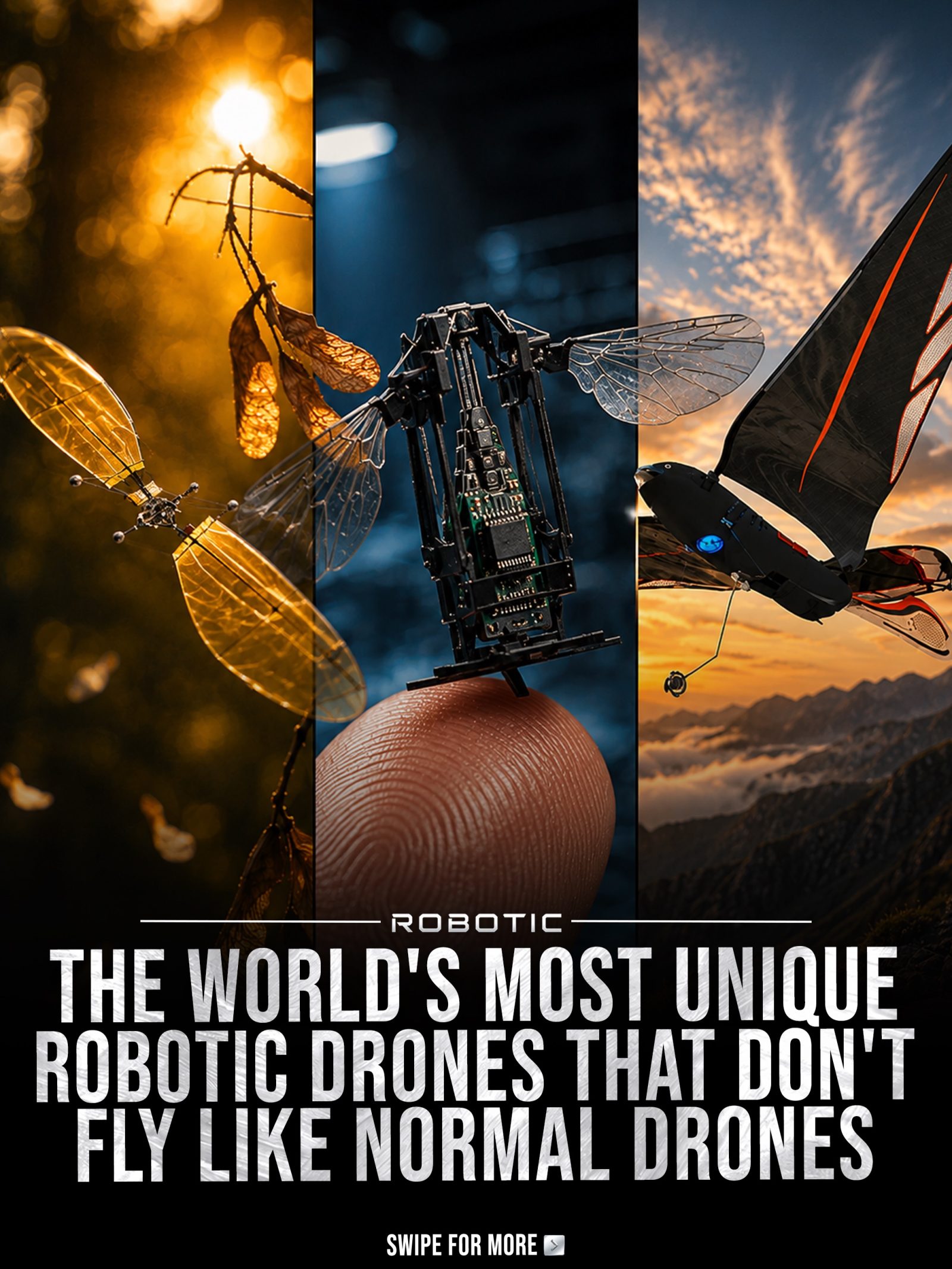
Robotic drones are pushing the boundaries of conventional drone technology, moving beyond the typical quadcopter design to incorporate innovative features inspired by nature. These drones are engineered to enhance efficiency, agility, and real-world performance, making them suitable for a wide range of applications from wildlife monitoring to infrastructure inspections and beyond. This exploration delves into the unique designs and capabilities of robotic drones, highlighting how biomimicry is shaping the future of drone technology.
Why This Matters
The evolution of robotic drones represents a significant leap in technology, offering solutions to challenges that traditional drones cannot address. By mimicking the flight patterns and behaviors of birds, insects, and other natural flyers, these drones can navigate complex environments with greater precision and adaptability. This advancement is crucial for industries that require detailed monitoring and inspection in confined or hazardous spaces.
Main Discussion
Inspired by Nature
Engineers are turning to nature for inspiration, creating drones that mimic the movements of birds and insects. This approach, known as biomimicry, allows for the development of drones with unique capabilities. For instance, spinning monocopters and flapping wing bird drones emulate the efficient flight patterns of birds, while tiny bee-inspired flying robots can navigate through small spaces with ease.
Raven Walking Bird Robot
One standout example is the 'Raven Walking' bird robot. This drone is designed to walk, hop, and jump before taking off, combining ground movement with flight. This dual capability allows it to access areas that are otherwise inaccessible to traditional drones, making it ideal for tasks such as wildlife monitoring and infrastructure inspections.
Bee-Inspired Micro Flying Robots
Micro flying robots inspired by bees are another remarkable innovation. These tiny drones can inspect small, confined spaces with precision, making them valuable for applications in scientific research and disaster response. Their small size and agility enable them to navigate through narrow passages and tight corners, providing detailed data in areas that larger drones cannot reach.
Innovative Designs and Capabilities
Robotic drones are not just about mimicking nature; they also incorporate advanced technologies to enhance their capabilities. These drones are equipped with advanced sensors, cameras, and navigation systems that allow them to perform complex tasks with high accuracy. For example, the Raven Walking bird robot can hop and jump, providing a unique way to explore different terrains, while the bee-inspired micro flying robots can inspect small spaces with precision.
Applications in Various Industries
The unique designs and capabilities of robotic drones make them suitable for a wide range of applications across various industries. Here are some key areas where these drones are making a significant impact:
Environmental Monitoring
Robotic drones are increasingly being used for environmental monitoring, particularly in wildlife conservation and ecological studies. Their ability to navigate through dense forests and other natural habitats makes them ideal for monitoring flora and fauna without disturbing the environment.
Infrastructure Inspections
In the field of infrastructure, robotic drones are used for inspecting bridges, buildings, and other structures. Their agility and precision allow them to identify defects and structural issues that might go unnoticed by traditional inspection methods, ensuring the safety and longevity of these structures.
Scientific Research
Scientific research benefits from the use of robotic drones, particularly in fields like biology and biology, where detailed data collection is crucial. These drones can collect samples, monitor environmental conditions, and provide real-time data, enabling researchers to conduct more accurate and comprehensive studies.
Agriculture
In agriculture, robotic drones are used for crop monitoring and pest control. Their ability to navigate through fields and collect detailed data on soil conditions, plant health, and pest infestations helps farmers make informed decisions and improve crop yields.
Practical Tips
When exploring the world of robotic drones, here are some practical tips to keep in mind:
Understand the Use Case
Before investing in a robotic drone, it's essential to understand your specific needs and the challenges you are trying to address. Different drones are designed for different applications, so choose one that aligns with your goals.
Consider the Environment
Consider the environment in which the drone will be operating. Robotic drones designed for wildlife monitoring, for example, may not be suitable for infrastructure inspections. Ensure that the drone you choose can navigate the terrain and conditions of your specific application.
Invest in Training
Operating a robotic drone requires skill and training. Investing in proper training can help you get the most out of your drone and ensure safe and effective operation. Many manufacturers offer training programs and resources to help you get started.
Regular Maintenance
Regular maintenance is crucial for keeping your robotic drone in optimal condition. Follow the manufacturer's guidelines for maintenance and inspections to ensure that your drone remains reliable and performs as expected.
Important Takeaways
Understanding the unique capabilities and applications of robotic drones is key to leveraging their full potential. Here are some important takeaways:
Biomimicry is Key
Biomimicry plays a crucial role in the development of advanced robotic drones. By mimicking the movements and behaviors of birds, insects, and other natural flyers, engineers can create drones with unique capabilities that outperform traditional designs.
Versatility is Crucial
Robotic drones offer versatility, making them suitable for a wide range of applications. From wildlife monitoring to infrastructure inspections, these drones can navigate complex environments with precision and adaptability.
Real-World Performance
The real-world performance of robotic drones is significantly enhanced by their unique designs and capabilities. They can operate in confined spaces, navigate through dense foliage, and provide detailed data collection, making them invaluable for various industries.
Future Innovations
As biomimicry continues to shape the future of robotics, we can expect to see even more innovative designs and capabilities. Future drones may become quieter, smarter, and more adaptable by copying the movements of birds, insects, and seeds, further transforming industries ranging from agriculture to disaster response.
Conclusion
Robotic drones represent a significant advancement in drone technology, offering unique designs and capabilities that solve challenges traditional drones cannot address. By incorporating biomimicry and advanced technologies, these drones are transforming industries such as environmental monitoring, infrastructure inspections, and agriculture. As the technology continues to evolve, the future of robotic drones holds immense potential for innovation and real-world applications.
Watch the Reel
Questions readers ask
How do nature-inspired drones enhance efficiency in flight?
Nature-inspired drones often feature lightweight materials and aerodynamic designs based on animals like birds and insects. These drones can fly more efficiently, requiring less energy to stay airborne and perform tasks, making them ideal for long-duration missions such as wildlife monitoring or infrastructure inspections.
What advantages do bird-inspired drones have over traditional quadcopters?
Bird-inspired drones, with their agile maneuverability and ability to change flight patterns are particularly adept at navigating complex environments. They can fly in tight spaces and avoid obstacles more effectively, and also have the ability to land and perch on surfaces, reducing the need to hover and saving energy.
How do insect-inspired drones benefit from biomimicry?
Insect-inspired drones, such as those modeled after bees, can perform precise, coordinated movements. These drones benefit from increased agility and stability in flight as well as enhanced maneuverability in confined spaces, which are useful in tasks like indoor inspections and search and rescue operations.
What role do robotic drones play in wildlife monitoring?
Wildlife monitoring is a key application for robotic drones. These drones can be developed with specific capabilities to ensure minimal disturbance to wildlife. They can silently and unobtrusively track animal movements, capture high-quality images, and gather data, making them invaluable for conservation efforts and ecological research.
Can robotic drones improve infrastructure inspection processes?
Robotic drones can significantly enhance infrastructure inspections. They can access hard-to-reach areas and perform detailed inspections with high accuracy, reducing the need for human risk-taking and lowering costs. Their unique designs allow them to navigate complex structures more efficiently, capturing detailed images and data for analysis.
How are robotic drones changing the landscape of aerial technology?
Robotic drones are pushing the boundaries of aerial technology by incorporating unique designs inspired by nature, and enhancing overall performance. Their ability to perform complex tasks efficiently and agilely makes them suitable for a wide range of applications. Drone technology is evolving to become more versatile, effective and efficient.
Related deep dives
Similar reads based on topic and creator.


Recent articles
Fresh deep dives from the latest Reels we unpacked.




Comments
Be the first to comment.