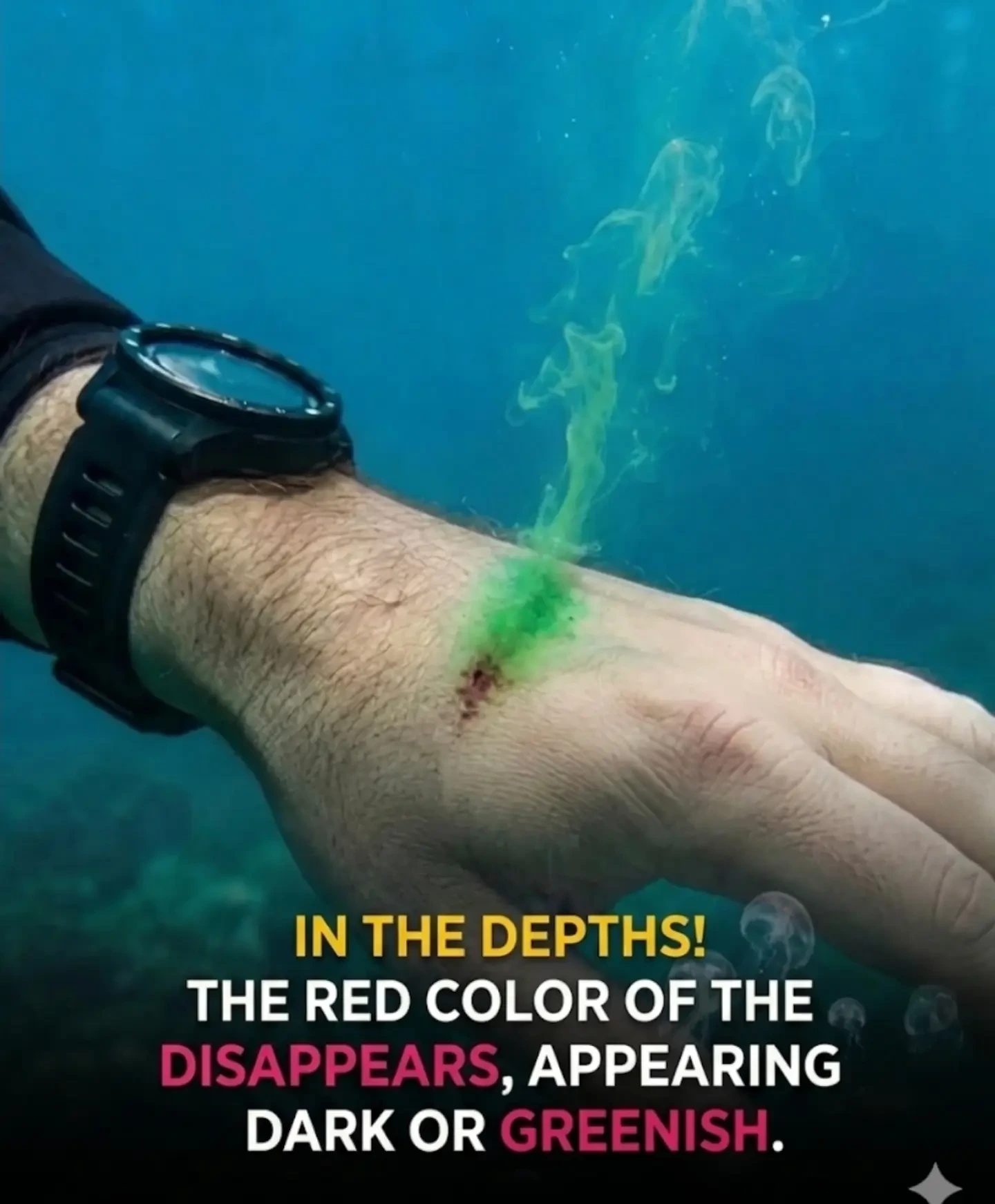
Underwater Color Absorption
Underwater, colors behave in ways that are vastly different from how they appear on land. This phenomenon, known as selective light absorption, is a fascinating aspect of underwater environments. As you descend, light undergoes a process where different wavelengths are absorbed, altering the visible colors. Let's dive into the depths to understand how and why this happens.
Why This Matters
Understanding how light behaves underwater is crucial for divers, marine biologists, and anyone interested in underwater photography or videography. It affects how colors appear, how photos are captured, and how marine life is perceived. Whether you're a seasoned diver or a curious observer, grasping this concept can enhance your underwater experiences and interpretations.
Main Discussion
The Science Behind Light Absorption
When light enters water, it interacts with the molecules and particles suspended in it. This interaction causes certain wavelengths of light to be absorbed more readily than others. The process is systematic: lower energy wavelengths, such as red, are absorbed first. As you go deeper, higher energy wavelengths, like blue and green, are absorbed next. Deep underwater environments appear predominantly blue or green because these are the last colors to be absorbed. This absorption process is why reds, oranges, and yellows fade away rapidly as you descend.
The Role of Depth
Depth plays a significant role in how light is absorbed underwater. At shallower depths, say around 15 to 30 feet (5 to 9 meters), red light is the first to disappear. This is why objects that are red on the surface appear dark, green, or even black underwater. By the time you reach depths of 30 to 60 feet (9 to 18 meters), even orange and yellow hues begin to vanish, leaving a predominantly blue-green palette. At great depths, where almost all visible light has been absorbed, the underwater world takes on a dark, almost monochromatic appearance.
The Impact on Marine Life
The absorption of light affects how marine life is perceived. Fish and other sea creatures that rely on color for communication, camouflage, or hunting have to adapt to these changes. For example, many deep-sea creatures have evolved bioluminescence to help them navigate and communicate in the near-dark conditions. Understanding these adaptations can provide valuable insights into the survival strategies of marine life.
Practical Tips
For Divers
When diving, it's essential to understand that the colors you see underwater are not the same as they would appear on land. This is particularly important for identifying marine life, as many species rely on color for camouflage or communication. Carrying a color correction filter or using artificial lighting can help restore some of the lost colors.
For Photographers and Videographers
Underwater photography and videography present unique challenges due to the selective light absorption. To capture vivid colors, photographers often use strobe lights or artificial lighting to reintroduce the missing wavelengths. Understanding the depth at which different colors disappear can help you adjust your equipment and settings accordingly.
Important Takeaways
The key takeaway is that underwater light absorption is a natural phenomenon that affects how we perceive colors underwater. Knowing how and why this happens can enhance your diving, photography, and overall understanding of marine environments. It's a reminder of the complex interplay between light and water, and how it shapes the underwater world we explore.
Visual and Practical Insights
The visual demonstration of a diver’s arm submerged in clear blue water dramatically illustrates the effects of selective light absorption. As you descend, the red color of the diver’s watch or any other red object fades to dark or greenish hues. This visual proof underscores the importance of understanding how light behaves underwater.
Conclusion
Understanding how light is absorbed underwater is fundamental for anyone exploring or photographing underwater environments. From the science behind it to practical tips for divers and photographers, grasping this concept can enhance your underwater experiences and interpretations. Whether you're diving to explore marine life or capturing the beauty of the underwater world, knowing about selective light absorption will deepen your appreciation for this fascinating phenomenon.
Watch the Reel
Questions readers ask
Why do colors change as you go deeper underwater?
As you descend underwater, different wavelengths of light are absorbed at varying rates. Red light is the first to be absorbed, followed by orange and yellow. This process, known as selective light absorption, alters the visible color spectrum, making colors shift dramatically with depth.
What color is most absorbed underwater and why does this matter?
Red light is the first to be absorbed underwater, which is why red objects appear black or dark in color underwater, and why photographers often use artificial light sources to restore the red hues. This phenomenon is crucial for divers and underwater photographers to understand, as it affects how colors are perceived and captured.
How does light penetration in water affect underwater visibility?
Light penetration in water decreases rapidly with depth due to absorption and scattering. This reduction in light intensity affects underwater visibility, making it more difficult to see clearly as you go deeper. The visible spectrum also narrows, with blues and greens being the most penetrating colors in clear water.
What is the significance of green underwater light?
Green light penetrates deeper underwater than other colors, making it a prominent color in the underwater light spectrum. This is why many underwater creatures have evolved to use green for camouflage and communication, and why green filters are often used to enhance underwater photography.
How does a dive light help with underwater color shifts?
A dive light can restore some of the lost colors underwater, particularly the reds and oranges that are absorbed first. By using a high-quality dive light, divers and underwater photographers can bring back some of the lost colors to the visible spectrum, improving color perception and enhancing the overall experience.
Why is deep sea lighting so limited?
Deep sea lighting is limited because sunlight cannot penetrate very far into the water. Most sunlight is absorbed within the first 200 meters, and beyond this point, the water is extremely dark. This lack of light creates unique characteristics in the deep sea, including bioluminescent creatures that produce their own light.
What is the effect of light changes with depth on marine life?
The changing light conditions with depth have significantly influenced the evolution of marine life. Creatures have adapted to low-light conditions in various ways, including developing bioluminescent abilities, enhanced sensitivity to available light, and unique coloration patterns that help them blend into their surroundings.
Related deep dives
Similar reads based on topic and creator.




Recent articles
Fresh deep dives from the latest Reels we unpacked.




Comments
Be the first to comment.