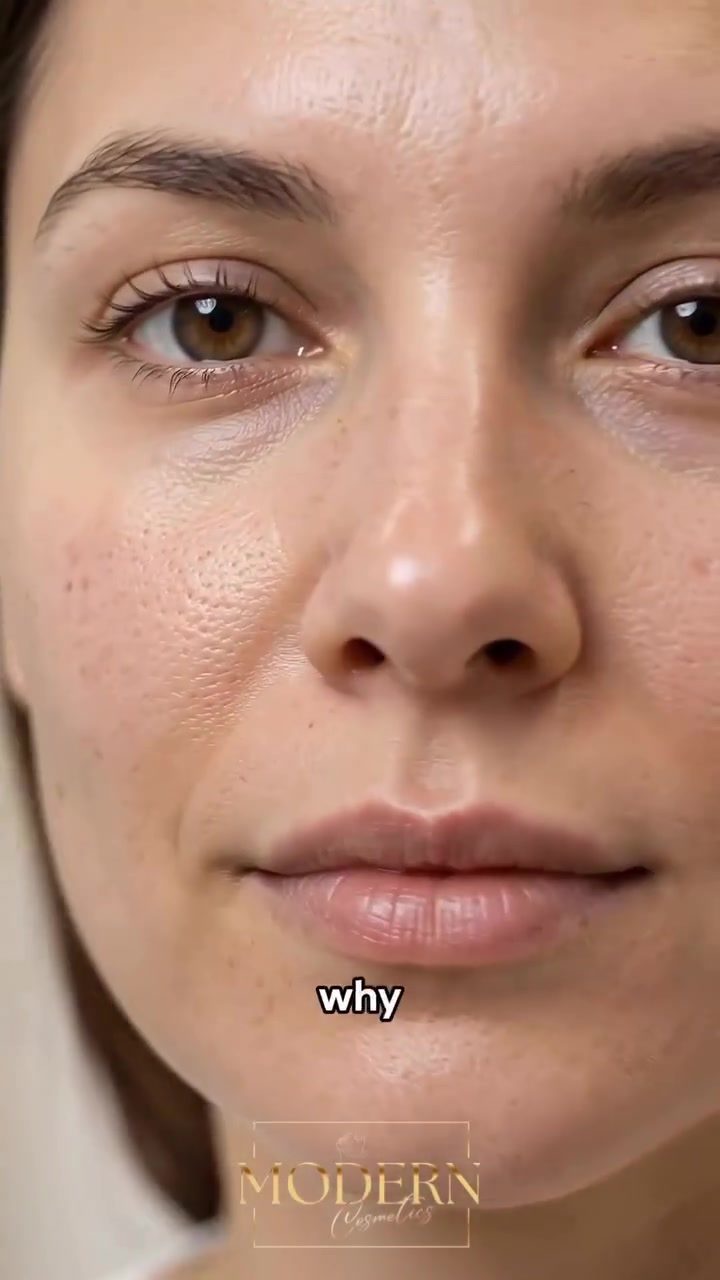
The Science Behind Pore Size — and Why Some People Have Larger Pores
Have you ever wondered why some people have larger pores? The answer lies in a combination of factors, primarily genetics, oil production, skin type, and the natural aging process. Pores are tiny openings in the skin that are connected to hair follicles and oil glands. Their size and appearance can be influenced by several elements, making them more or less noticeable.
Why This Matters
Understanding why pores appear larger in some people is crucial for maintaining healthy skin and choosing the right skincare products. Pores play a vital role in skin health, and their size can significantly impact how skin looks and feels. By knowing the factors that contribute to larger pores, you can make informed decisions about your skincare routine and address specific concerns more effectively.
Main Discussion
The Role of Genetics
Genetics play a significant role in determining pore size. If your family members have larger pores, there's a good chance you might too. This genetic predisposition can influence not only the size of your pores but also how your skin produces oil and maintains collagen.
Oil Production and Pore Size
Oil production is another key factor in pore size. The skin naturally produces oil to keep itself hydrated and protected. However, if your skin produces more oil than average, it can lead to enlarged pores. Excess oil can clog pores, making them appear larger and more noticeable.
The Impact of Aging
As we age, our skin undergoes several changes that can affect pore size. Collagen, a protein that provides structure and elasticity to the skin, naturally declines with age. This decline can make pores appear more prominent.
Pores themselves do not have muscles that allow them to open or close. Their appearance can change based on factors like oil, debris, lighting, and skin hydration. This misconception often leads people to believe that pores can be "tightened" or "minimized," but in reality, the underlying factors need to be addressed for a noticeable difference.
Skin Type and Pore Size
Different skin types can also influence pore size. Those with oily or combination skin often have larger pores because their skin produces more oil. Conversely, those with dry skin typically have smaller pores. Understanding your skin type is essential for choosing the right skincare products and treatments.
Practical Tips
Cleansing and Exfoliation
Regular cleansing and exfoliation can help reduce the appearance of enlarged pores. Use a gentle cleanser to remove excess oil and dirt, and exfoliate to unclog pores and remove dead skin cells. Be sure to choose products that are suitable for your skin type to avoid irritation.
Moisturizing
Hydrated skin can help reduce the appearance of enlarged pores. Use a lightweight, oil-free moisturizer to keep your skin hydrated without clogging pores. Look for ingredients like hyaluronic acid, which can help retain moisture.
Sunscreen
Protecting your skin from the sun is crucial for maintaining overall skin health. Sun damage can accelerate the aging process, leading to a decline in collagen and elastin, and making pores appear more prominent. Use a broad-spectrum sunscreen with at least SPF 30 and apply it daily.
Professional Treatments
For more significant results, consider professional treatments like chemical peels, microdermabrasion, or laser treatments. These treatments can help reduce the appearance of enlarged pores by improving skin texture and collagen production. Consult with a skincare professional to determine the best treatment options for your individual needs.
Important Takeaways
Understanding the factors that influence pore size can help you make better choices for your skincare routine. While genetics, oil production, and aging play a significant role, addressing these factors through regular cleansing, exfoliation, and professional treatments can greatly impact the appearance of your pores.
Conclusion
Addressing larger pores involves a combination of understanding the underlying causes and adopting a consistent skincare routine that targets these factors. By focusing on gentle cleansing, exfoliation, moisturizing, and sun protection, you can significantly improve the appearance of your pores. For more customized advice, consider consulting with a skincare professional to develop a tailored plan for your skin concerns.
Watch the Reel
Questions readers ask
What are the primary factors that determine pore size?
The primary factors that determine pore size are genetics, oil production, skin type, and the natural aging process. These elements can influence how large or small your pores appear.
Why do some people have larger pores than others?
Some people have larger pores due to a combination of factors, including genetic predisposition, higher oil production, and the natural aging process, which can cause pores to stretch and become more noticeable.
How does aging affect pore size?
As we age, our skin loses elasticity and collagen, which can cause pores to stretch and appear larger. Additionally, years of sun exposure can further enlarge pores, making them more visible.
Can skincare products help minimize the appearance of large pores?
While skincare products cannot change the size of your pores permanently, some can temporarily minimize their appearance. Products containing ingredients like retinol, niacinamide, or salicylic acid can help reduce oil production and tighten the skin around pores.
What are some natural ways to reduce the appearance of large pores?
Natural methods to reduce the appearance of large pores include maintaining a consistent skincare routine, keeping your skin clean to prevent clogged pores, and using gentle exfoliants to remove dead skin cells. Additionally, staying hydrated and wearing sunscreen can help maintain overall skin health.
Do modern cosmetics offer solutions for reducing pore size?
Modern cosmetics offer various solutions like primers, foundations, and pore-minimizing treatments that can temporarily reduce the appearance of large pores. These products often contain ingredients that blur or tighten the skin, making pores less noticeable.
Is it possible to shrink large pores permanently?
It is not possible to permanently shrink the size of your pores, as their size is largely determined by genetics. However, maintaining a good skincare routine and using products that help reduce oil production and tighten the skin can help manage their appearance over time.
Recent articles
Fresh deep dives from the latest Reels we unpacked.




Comments
Be the first to comment.