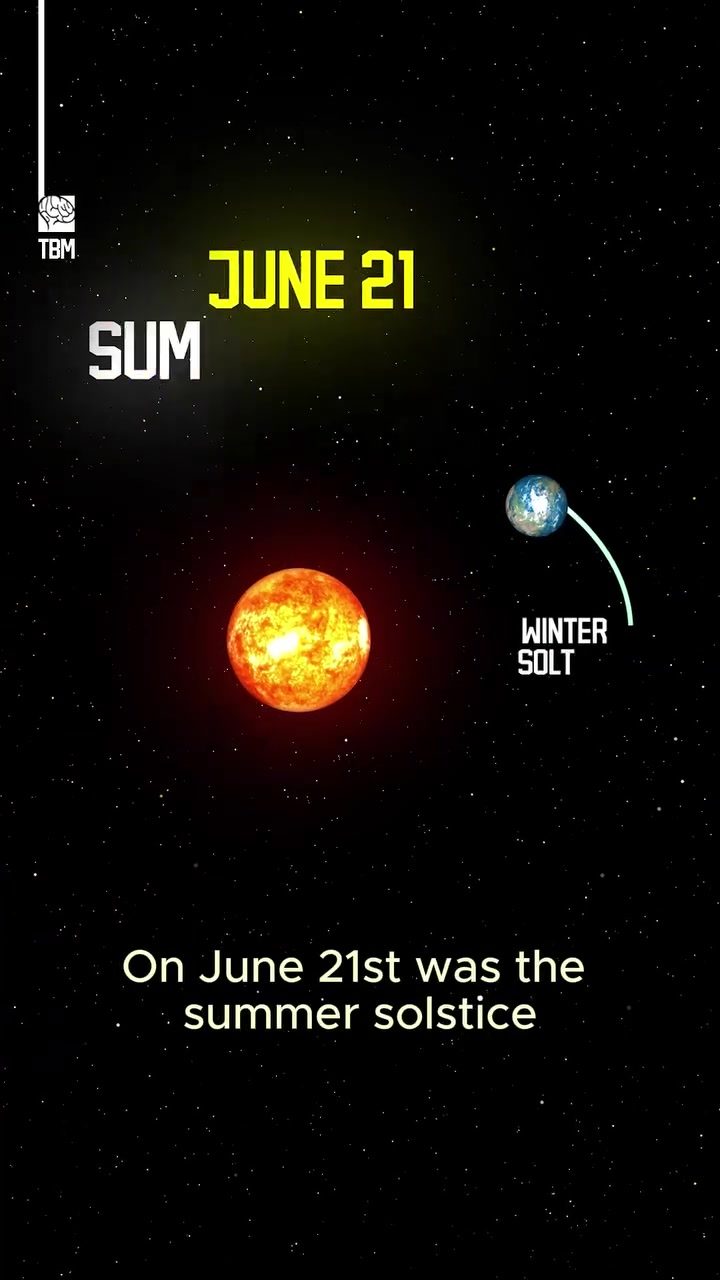
Summer Solstice and the Earth's Axial Tilt
The summer solstice marks the longest day of the year in the Northern Hemisphere, occurring around June 21st. This astronomical event is a result of the Earth's axial tilt, which is approximately 23.5 degrees. Understanding the summer solstice and the Earth's tilt provides insight into how seasons occur and why they vary across the globe.
Why This Matters
The summer solstice is more than just the longest day of the year; it signifies a pivotal point in the Earth's orbit around the Sun. This event influences not only the length of daylight but also the intensity of sunlight, which in turn affects temperature and weather patterns. The axial tilt of the Earth is a fundamental factor in these changes, making it a critical aspect of planetary science and climate studies.
The Science Behind the Summer Solstice
Earth's Axial Tilt and Orbit
The Earth's orbit around the Sun is slightly oval, but this oval shape is not the primary cause of seasonal changes. Instead, the key factor is the Earth's axial tilt. This tilt causes different parts of the Earth to receive varying amounts of direct sunlight throughout the year. When the Northern Hemisphere is tilted toward the Sun, it experiences summer, characterized by longer days and warmer temperatures. Conversely, the Southern Hemisphere leans away from the Sun, resulting in winter with shorter days and colder conditions.
The Mechanics of the Summer Solstice
During the summer solstice, the Northern Hemisphere receives the most direct sunlight. This direct sunlight hits the ground more strongly, warming the surface more efficiently. Additionally, the Sun stays above the horizon for a longer period, providing more daylight and allowing more time to heat the land and oceans. This phenomenon is reversed six months later, when the Southern Hemisphere experiences its summer solstice, and the Northern Hemisphere enters winter.
The Role of the Equator
The equator plays a crucial role in understanding the Earth's tilt and the summer solstice. The equator is the imaginary line that divides the Earth into the Northern and Southern Hemispheres. During the summer solstice, the Sun is directly overhead at the Tropic of Cancer, which is about 23.5 degrees north of the equator. This position maximizes the amount of direct sunlight received by the Northern Hemisphere, leading to the longest day of the year.
The Impact on Daylight and Temperature
Daylight Hours
The amount of daylight varies significantly throughout the year due to the Earth's tilt. During the summer solstice, the Northern Hemisphere experiences its longest day, with the Sun rising earlier and setting later. This extended period of daylight contributes to the warmer temperatures and longer days associated with summer. Conversely, during the winter solstice, the days are shorter, and the nights are longer, leading to colder temperatures.
Temperature Variations
The direct sunlight received during the summer solstice warms the Earth's surface more effectively. This warming effect is amplified by the longer daylight hours, which allow more time for the Sun’s rays to heat the land and oceans. The increased temperature and longer days create the characteristic warm and sunny conditions of summer. In the Southern Hemisphere, the opposite occurs, with cooler temperatures and shorter days during their winter solstice.
Practical Tips for Observing the Summer Solstice
Best Times and Locations
The summer solstice is best observed in locations that experience significant daylight variations. Places close to the Arctic Circle, such as Alaska, Canada, and Northern Europe, offer unique opportunities to witness the "midnight sun," where the Sun remains visible for 24 hours. In contrast, areas closer to the equator experience less dramatic changes in daylight hours but still benefit from extended daylight and warmer temperatures.
Activities and Celebrations
The summer solstice is celebrated in various cultures around the world. In many Northern Hemisphere countries, it is marked with festivals, bonfires, and gatherings. Some popular celebrations include the Midsummer Festival in Sweden, the Summer Solstice Festival in the UK, and the Inti Raymi festival in Peru, which honors the Sun God Inti. These events often involve traditional rituals, music, and feasts, highlighting the cultural significance of the summer solstice.
Important Takeaways
The summer solstice is a critical astronomical event that highlights the Earth's axial tilt and its impact on seasons. Understanding the mechanics behind the summer solstice provides valuable insights into climate patterns, daylight variations, and temperature changes. This knowledge is essential for various fields, including meteorology, agriculture, and environmental studies.
Conclusion
The summer solstice, occurring around June 21st, is a result of the Earth's axial tilt of approximately 23.5 degrees. This tilt causes different parts of the Earth to receive varying amounts of direct sunlight, leading to seasonal changes. During the summer solstice, the Northern Hemisphere experiences its longest day, characterized by extended daylight and warmer temperatures. This phenomenon is reversed six months later, when the Southern Hemisphere experiences its summer solstice. Observing and understanding the summer solstice offers a deeper appreciation for the Earth's natural cycles and their impact on our daily lives.
Watch the Reel
Questions readers ask
What causes the summer solstice to occur?
The summer solstice occurs due to Earth's 23.5-degree axial tilt. This tilt causes the Northern Hemisphere to be oriented more directly towards the Sun around June 21st, resulting in the longest day of the year in this region.
Why does the summer solstice have more daylight hours?
During the summer solstice, the Northern Hemisphere receives more daylight hours because the Sun reaches its highest point in the sky and its path is longer. This is directly related to Earth's axial tilt, which positions the Northern Hemisphere to receive more direct sunlight.
How does the summer solstice affect weather patterns?
The summer solstice influences weather patterns by increasing the intensity of sunlight, which in turn raises temperatures. The longer daylight hours and more direct sunlight can lead to warmer weather, affecting global climate and local weather conditions.
What is the significance of the summer solstice date?
The summer solstice date, around June 21st, marks the point in the Earth's orbit where the Northern Hemisphere experiences its longest day and shortest night. It is a key astronomical event that signifies the start of summer in the Northern Hemisphere and the beginning of winter in the Southern Hemisphere.
How does the Earth's axial tilt influence seasonal variations?
Earth's 23.5-degree axial tilt is responsible for seasonal variations. As the Earth orbits the Sun, the tilt causes different parts of the planet to receive varying amounts of sunlight throughout the year, resulting in changes in daylight duration, temperature, and weather patterns.
What is the relationship between the summer solstice and the winter solstice in the Northern Hemisphere?
The summer solstice and the winter solstice in the Northern Hemisphere are opposing events. While the summer solstice marks the longest day and the start of summer, the winter solstice, around December 21st, marks the shortest day and the start of winter. This is due to the Earth's axial tilt, which positions the Northern Hemisphere away from direct sunlight during the winter solstice.
Related deep dives
Similar reads based on topic and creator.




Recent articles
Fresh deep dives from the latest Reels we unpacked.




Comments
Be the first to comment.