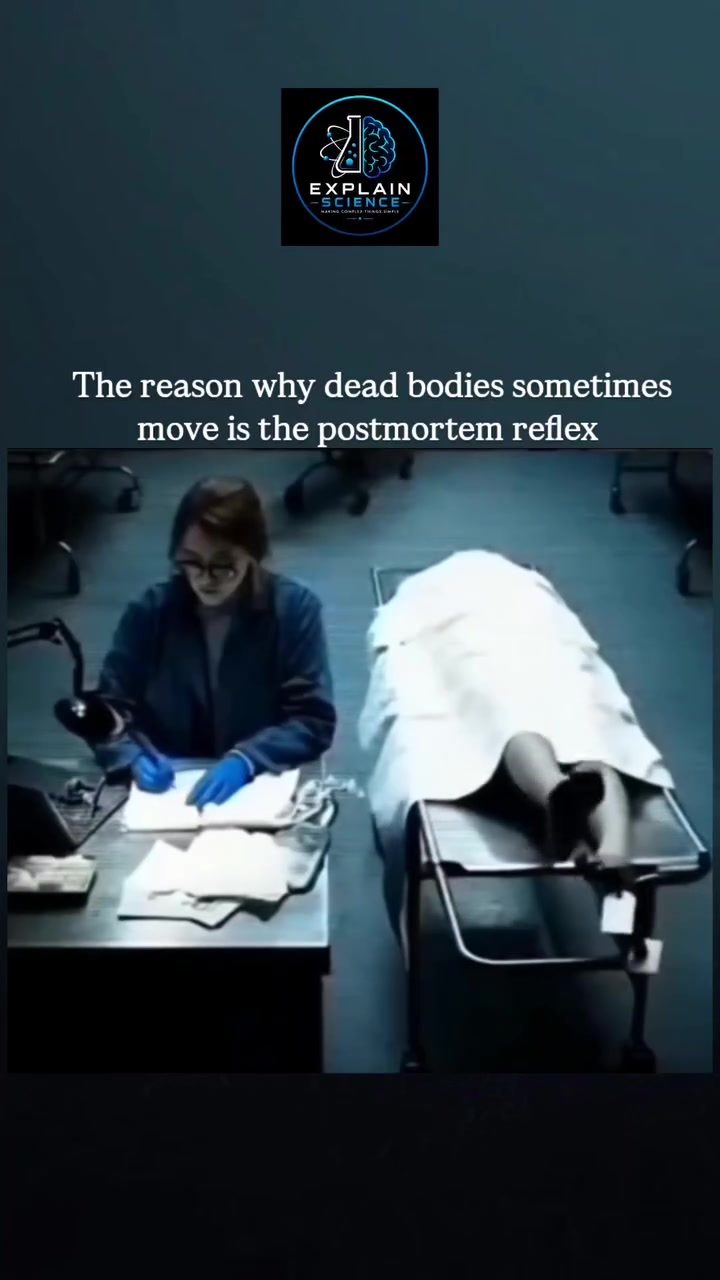
Postmortem Reflexes: When Dead Bodies Move
Postmortem reflexes are a natural but often frightening phenomenon where dead bodies can appear to move. This occurs due to residual biological processes that happen after death. Understanding these reflexes can demystify the eerie sight of a corpse moving and provide insight into the functions of the body, even after it has ceased to live.
Why This Matters
Postmortem reflexes are a normal part of the decomposition process and can have significant implications in various fields, including forensic science and medicine. Recognizing these movements as natural biological processes rather than supernatural occurrences can be crucial for professionals working in these areas. For the general public, knowing about these reflexes can help dispel myths and fears surrounding death and decomposition.
Understanding Postmortem Reflexes
The Science Behind Postmortem Reflexes
When a person dies, the brain no longer controls the body. However, muscles and nerves can still respond briefly as they lose oxygen and energy. This response is driven by changes in body chemistry, the release of residual electrical signals, and muscle stiffening, known as rigor mortis. Decomposition processes can also contribute to these movements.
The postmortem reflex involves involuntary muscle contractions. These contractions can cause various movements, such as a limb twitching, fingers moving, or the chest slightly rising. These movements are not signs of life or consciousness; they are simply part of the body's natural response to the loss of oxygen and energy.
The Role of Rigor Mortis
Rigor mortis is a crucial factor in postmortem movements. It occurs as muscles stiffen due to the depletion of adenosine triphosphate (ATP), the body's primary energy source. This stiffening can cause the body to move in ways that might appear unnatural. Over time, as the body continues to decompose, rigor mortis will pass, and the muscles will relax.
Chemical and Electrical Factors
Changes in body chemistry, such as the release of residual electrical signals, can also trigger muscle contractions. These signals, which are no longer controlled by the brain, can cause the muscles to contract and relax, resulting in movements. Additionally, the decomposition process can release gases and fluids, causing the body to shift and move in various ways.
Common Postmortem Movements
Postmortem reflexes can manifest in several ways. Some common movements include:
- Limb Twitching: Muscles in the arms or legs may contract, causing them to twitch.
- Finger Movements: Fingers may curl or straighten due to muscle contractions.
- Chest Rising: The chest may rise slightly, mimicking a breath.
These movements are short-lived and occur as the body's energy reserves are depleted and decomposed.
Practical Tips for Understanding Postmortem Reflexes
Forensic Science and Medicine
For professionals in forensic science and medicine, understanding postmortem reflexes is essential. These movements can sometimes be mistaken for signs of life or trauma, leading to incorrect conclusions. Recognizing these reflexes as natural processes can help ensure accurate assessments and investigations.
Public Awareness
For the general public, knowing about postmortem reflexes can dispel fears and myths surrounding death and decomposition. Understanding that these movements are natural and involuntary can provide comfort and clarity during difficult times.
Important Takeaways
Postmortem reflexes are a natural part of the decomposition process and can cause dead bodies to move in various ways. These movements are completely involuntary and do not indicate life or consciousness. Key points to remember include:
- Rigor Mortis: Muscle stiffening plays a significant role in postmortem movements.
- Chemical and Electrical Factors: Changes in body chemistry and residual electrical signals contribute to these reflexes.
- Natural Process: These movements are a normal part of the body's response to death and should not be mistaken for signs of life.
Conclusion
The postmortem reflex is a fascinating and somewhat unsettling aspect of human biology. By understanding the science behind these movements, we can better appreciate the natural processes that occur after death. Whether you're a professional in the field or someone seeking to learn more about the human body, recognizing postmortem reflexes as natural phenomena can provide valuable insights and dispel misconceptions.
Watch the Reel
Questions readers ask
What are postmortem reflexes?
Postmortem reflexes are movements that occur in a body after death. These reflexes are driven by residual biological processes and are a normal part of the decomposition process.
Why do dead bodies move?
Dead bodies move due to postmortem muscle contractions and other biological processes that continue after a person has died. These movements can be quite pronounced, such as the lifting of a limb, or they may be more subtle, like a twitch or a jerk.
What causes postmortem movements?
Postmortem movements are caused by the release of neurotransmitters, the breakdown of muscle proteins and residual neural activity that continues for a period after death. These factors work together to create the movements that can be observed in a corpse.
Are postmortem reflexes a sign of life?
No, postmortem reflexes are not a sign of life. They are a result of residual biological processes and do not indicate that a person is alive. These movements can occur for several hours after death, depending on the individual and the circumstances.
How long can postmortem movements occur?
Postmortem movements can occur for a few hours, and in some cases, up to a day, after death. The duration and intensity of these movements can vary depending on factors such as the cause of death, the environment, and the individual's physiology.
What are some examples of postmortem reflexes?
Some examples of postmortem reflexes include cadaveric spasm, where the muscles of a corpse suddenly contract, and the Lazarus sign, which is when a deceased person's fingers flex in response to touch. Other examples include muscle twitches, jerks, and movements of the limbs.
How do postmortem reflexes impact forensic investigations?
Postmortem reflexes can have significant implications for forensic investigations. Understanding these movements is important for professionals in forensic science and medicine, as they can help rule out foul play and provide insights into the time and cause of death.
Related deep dives
Similar reads based on topic and creator.



Recent articles
Fresh deep dives from the latest Reels we unpacked.




Comments
Be the first to comment.