Misophonia
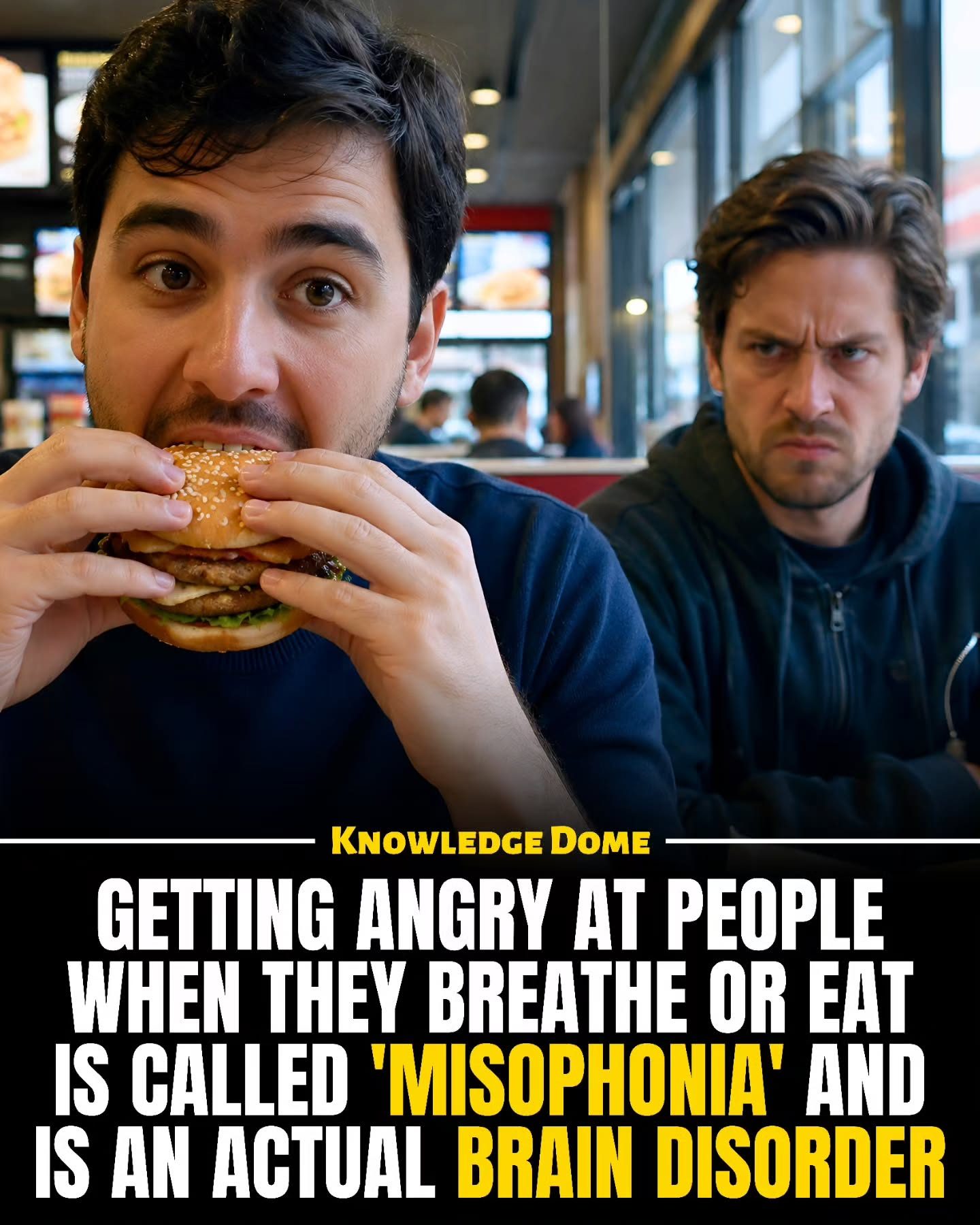
Misophonia is a neurological condition where specific sounds, often those made by others, trigger intense emotional responses. These sounds, such as chewing, breathing, yawning, tapping, or the clicking of a pen, can provoke feelings of anger, fear, or disgust. Unlike typical annoyance, misophonia reactions are involuntary and often accompanied by a strong physical stress response.
Context / Why this matters
Misophonia is more than just an annoyance at everyday sounds. It's a genuine neurological condition that can significantly impact a person's quality of life. Understanding misophonia is crucial for creating supportive environments and fostering empathy towards those who experience it. It's a condition that affects how people interact in social and public settings, from restaurants to offices, and it's important to recognize its legitimacy to better support those who live with it.
Main discussion
What triggers misophonia
Misophonia isn't about the volume or type of sound; it's about the emotional response it provokes in the brain. Common triggers include:
- Eating and chewing sounds, like crunching or slurping
- Breathing, sniffling, or sniffing noises
- Yawning or coughing
- Repetitive movements, like tapping or clicking
- Pen clicking, nail tapping, or any rhythmic sound
- Certain speech sounds, like lip-smacking or tongue-clucking
People with misophonia don't choose to react this way. Their brains interpret these sounds as a threat, activating the fight or flight response. This is why the reaction can feel so intense and overwhelming.
The neurological basis of misophonia
Brain studies suggest that misophonia involves a hyper-connectivity between the parts of the brain that process sound and the amygdala, which controls fear and emotion. This over-connection causes the brain to react as if the trigger sound is a threat, even when it's not. As a result, the body may go into a strong stress response very quickly, with symptoms such as:
- Increased heart rate
- Tightness in the chest
- Sweating or feeling flushed
- Feelings of panic or anxiety
- Physical discomfort or pain
Misophonia vs. other sound sensitivities
Misophonia is distinct from other sound sensitivities like hyperacusis and phonophobia. Hyperacusis is an increased sensitivity to sound volume, while phonophobia is a fear of certain sounds. Misophonia, on the other hand, is specifically triggered by particular sounds made by other people, and the reaction is an emotional response rather than a fear or sensitivity to volume.
Practical tips
Living with misophonia can be challenging, but there are strategies that can help manage the condition:
Sound management
- Use earplugs or noise-canceling headphones in busy places
- Play soft background sounds, like rain, white noise, or calm music to cover trigger sounds
- Identify and avoid specific trigger sounds when possible
Coping mechanisms
- Practice deep breathing and mindfulness techniques to help calm the body's stress response
- Recognize and acknowledge the emotions that arise from trigger sounds, without judgement
- Seek support from friends, family, or support groups to help navigate social situations
Professional help
- Cognitive Behavioral Therapy (CBT) can help change the way the brain responds to trigger sounds over time
- Tinnitus Retraining Therapy (TRT) can help re-train the brain to respond differently to trigger sounds
- Work with an audiologist or hearing specialist to explore other management options
Important takeaways
Misophonia is a real and challenging condition that affects how people experience sound and interact with the world. It's important to recognize the legitimacy of this condition and create supportive environments for those who live with it. While there is no full cure yet, there are strategies and therapies that can help manage misophonia and improve quality of life. By fostering empathy and understanding, we can make a significant difference in the lives of those affected by this condition.
Conclusion
Misophonia is a neurological condition that causes intense emotional responses to specific everyday sounds. It's a genuine and challenging condition that affects how people interact with the world and those around them. By understanding misophonia, recognizing its legitimacy, and fostering empathy, we can create supportive environments that make a real difference in the lives of those who live with this condition. If you or someone you know is affected by misophonia, remember that there are strategies and therapies available to help manage the condition and improve quality of life.
Watch the Reel
Questions readers ask
What are the most common misophonia triggers?
Common misophonia triggers include repetitive sounds like chewing, breathing, yawning, tapping, and the clicking of a pen. These sounds can provoke intense emotional responses, even though they might seem ordinary to others.
How does misophonia differ from typical sound annoyance?
Misophonia is more than just being annoyed by sounds. It's a neurological condition where specific sounds trigger involuntary emotional responses, such as anger or fear. These reactions are often accompanied by physical stress responses, unlike typical annoyance.
Can misophonia be managed in noisy environments?
Managing misophonia in noisy environments involves strategies like using noise-cancelling headphones, finding quieter spaces, or communicating with others about your condition. Creating a supportive environment can significantly help individuals cope with misophonia triggers.
Why do people with misophonia experience anger from noise?
People with misophonia experience anger from noise due to the neurological condition's unique response to specific sounds. These sounds can provoke intense emotional responses, including anger, as the brain processes them differently than it does for other sounds.
Is misophonia related to other sound sensitivity disorders?
Yes, misophonia is related to other sound sensitivity disorders, but it has distinct characteristics. Unlike typical sound sensitivity, misophonia specifically involves emotional responses to certain sounds, making it a unique neurological condition.
Related deep dives
Similar reads based on topic and creator.

Recent articles
Fresh deep dives from the latest Reels we unpacked.




Comments
Be the first to comment.