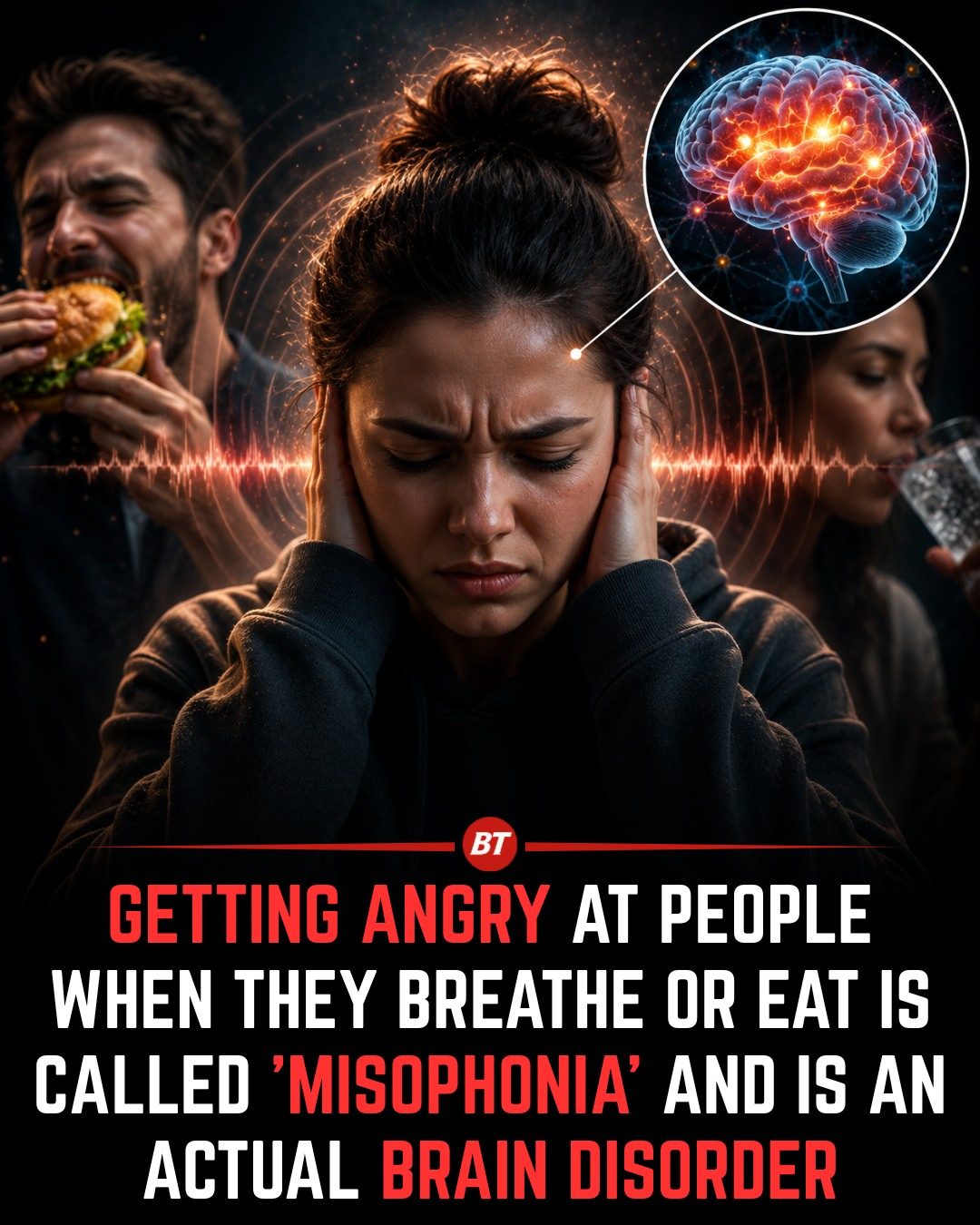
Misophonia is a condition where specific sounds trigger strong emotional responses. It's more than just a mild annoyance; it's a neurological reaction that can significantly impact daily life. Understanding misophonia involves recognizing its symptoms, the brain activity behind it, and how it affects those who experience it.
Context / Why this matters
Misophonia is often misunderstood. Many people assume it's simply a matter of being sensitive to loud noises or having particular dislikes. However, it goes far beyond that. The condition can greatly interfere with daily activities, relationships, and overall quality of life. Recognizing misophonia as a legitimate condition is the first step toward better support and treatment for those who suffer from it.
Main discussion
What is Misophonia?
Misophonia literally means "hatred of sound." It's characterized by an intense emotional reaction to specific everyday noises. These triggers can include chewing, lip-smacking, breathing, sniffing, tapping, or clicking a pen. The reactions are often immediate and automatic, making it difficult for individuals to control their responses. People with misophonia may experience anger, anxiety, disgust, or an overwhelming urge to escape when they hear these sounds.
The Brain and Misophonia
Brain imaging studies have provided valuable insights into the neurological basis of misophonia. Research published in journals such as Current Biology has shown that individuals with misophonia exhibit unusual activity in the anterior insular cortex. This region of the brain is involved in processing emotions, attention, and bodily sensations. The findings suggest that the brain assigns excessive emotional significance to certain trigger sounds, causing the nervous system to react as if these sounds are a threat.
Impact on Daily Life
The symptoms of misophonia can be debilitating. The automatic and intense emotional reactions can interfere with work, relationships, and even simple activities like meals. Imagine trying to enjoy a dinner with friends or family when the sound of chewing or breathing sends you into a state of anxiety or anger. This constant stress can lead to chronic feelings of frustration and isolation, further impacting mental health.
One of the challenges of misophonia is its specificity. Unlike general sound sensitivity, misophonia triggers are often very specific human sounds. This specificity makes it difficult for those experiencing the condition to avoid triggers, as they are often present in everyday social situations. This constant exposure to triggers can lead to a heightened state of stress and anxiety, making it hard to relax or function normally.
The Difference from Sound Sensitivity
It's important to distinguish misophonia from general sound sensitivity. People with misophonia do not simply dislike loud noises; the reactions are immediate, intense, and often irrational, even when the person knows the sound is harmless. This intense emotional response is what sets misophonia apart and makes it a unique condition to manage.
Practical Tips
Managing misophonia involves a combination of awareness, avoidance strategies, and sometimes professional help. Here are some practical tips for coping with misophonia:
Identify Triggers
The first step is to identify your specific triggers. Keep a log of sounds that cause reactions and note the contexts in which they occur. This can help you recognize patterns and develop strategies to avoid or mitigate exposure to these triggers.
Create a Supportive Environment
Modifying your environment to reduce exposure to triggers can be very helpful. Use noise-cancelling headphones, earplugs, or white noise machines to create a more peaceful environment. Consider using soundproofing materials in areas where you spend a lot of time, such as your bedroom or office.
Practice Relaxation Techniques
Techniques such as deep breathing, meditation, and progressive muscle relaxation can help manage the emotional responses to triggers. These practices can reduce anxiety and stress, making it easier to cope with audial disturbances.
Seek Professional Help
If misophonia is significantly impacting your daily life, consider seeking help from a healthcare professional. Therapies such as cognitive-behavioral therapy (CBT) can be beneficial. Some therapists specialize in sound sensitivity and can provide targeted strategies for managing misophonia.
Communicate with Others
Open communication with friends, family, and colleagues about your condition can foster understanding and support. Sometimes, simply explaining the situation can lead to adjustments in behavior, such as reducing certain sounds or being more mindful of their actions.
Important takeaways
Misophonia is a real, neurological condition that affects a significant number of people. It's characterized by intense emotional reactions to specific everyday sounds, which can be debilitating and interfere with daily life. The condition is linked to unusual brain activity in the anterior insular cortex, and researchers are actively working to better understand and treat it.
Key points to remember:
- Misophonia is a neurological condition, not just a dislike for certain noises.
- The emotional reactions are immediate, intense, and often irrational.
- The triggers are usually very specific human sounds.
- Misophonia can significantly impact daily activities, relationships, and overall quality of life.
- Effective management involves identifying triggers, modifying the environment, practicing relaxation techniques, seeking professional help, and communicating openly with others.
Conclusion
Misophonia is a serious condition that deserves recognition and support. By understanding its neurological basis and the impact it has on daily life, we can work towards creating more supportive environments and developing effective treatments. If you or someone you know is struggling with misophonia, remember that you are not alone, and there are steps you can take to manage this condition and improve your quality of life.
Watch the Reel
Questions readers ask
What are the most common sounds that trigger misophonia?
Misophonia triggers can vary from person to person, but some of the most commonly reported sounds include chewing, lip-smacking, pen-clicking, and typing. These sounds are often soft or repetitive, yet they can provoke intense reactions in those with misophonia.
How does the brain respond to misophonia triggers?
The brain activity of individuals with misophonia shows that these triggers activate specific regions, including the anterior insula, amygdala, and prefrontal cortex, which are associated with stress and emotional responses. This neurological reaction is what sets misophonia apart from a simple dislike of certain sounds.
Why do people with misophonia experience such strong emotional reactions?
The intense emotional reactions, often anger or irritation, are due to the brain's heightened sensitivity to certain sounds. This heightened sensitivity causes a stress response, making it difficult for individuals to control their reactions. Understanding this can help others empathize with those who have misophonia.
How can misophonia affect daily activities and relationships?
Misophonia can significantly disrupt daily activities by making it hard to focus in noisy environments, such as offices or classrooms. It can also strain relationships, as constant irritation or anger at sounds made by others can lead to tension and misunderstandings.
What are some strategies to cope with misophonia?
Coping with misophonia often involves a combination of strategies. These can include sound masking, such as using earplugs or white noise machines, to reduce the impact of triggers. Additionally, cognitive-behavioral therapy and mindfulness practices can help manage the emotional responses to these sounds.
Is misophonia a recognized mental health disorder?
While misophonia is not yet classified as a distinct mental health disorder in major diagnostic manuals, it is gaining recognition in the medical community. Ongoing research and advocacy aim to increase awareness and support for those affected, with the goal of achieving official recognition in the future.
Can misophonia go away on its own?
Misophonia does not typically go away on its own. It is a chronic condition that often requires management strategies to mitigate its impact. Seeking professional help and implementing coping mechanisms can provide significant relief and improve daily functioning.
Related deep dives
Similar reads based on topic and creator.




Recent articles
Fresh deep dives from the latest Reels we unpacked.




Comments
Be the first to comment.