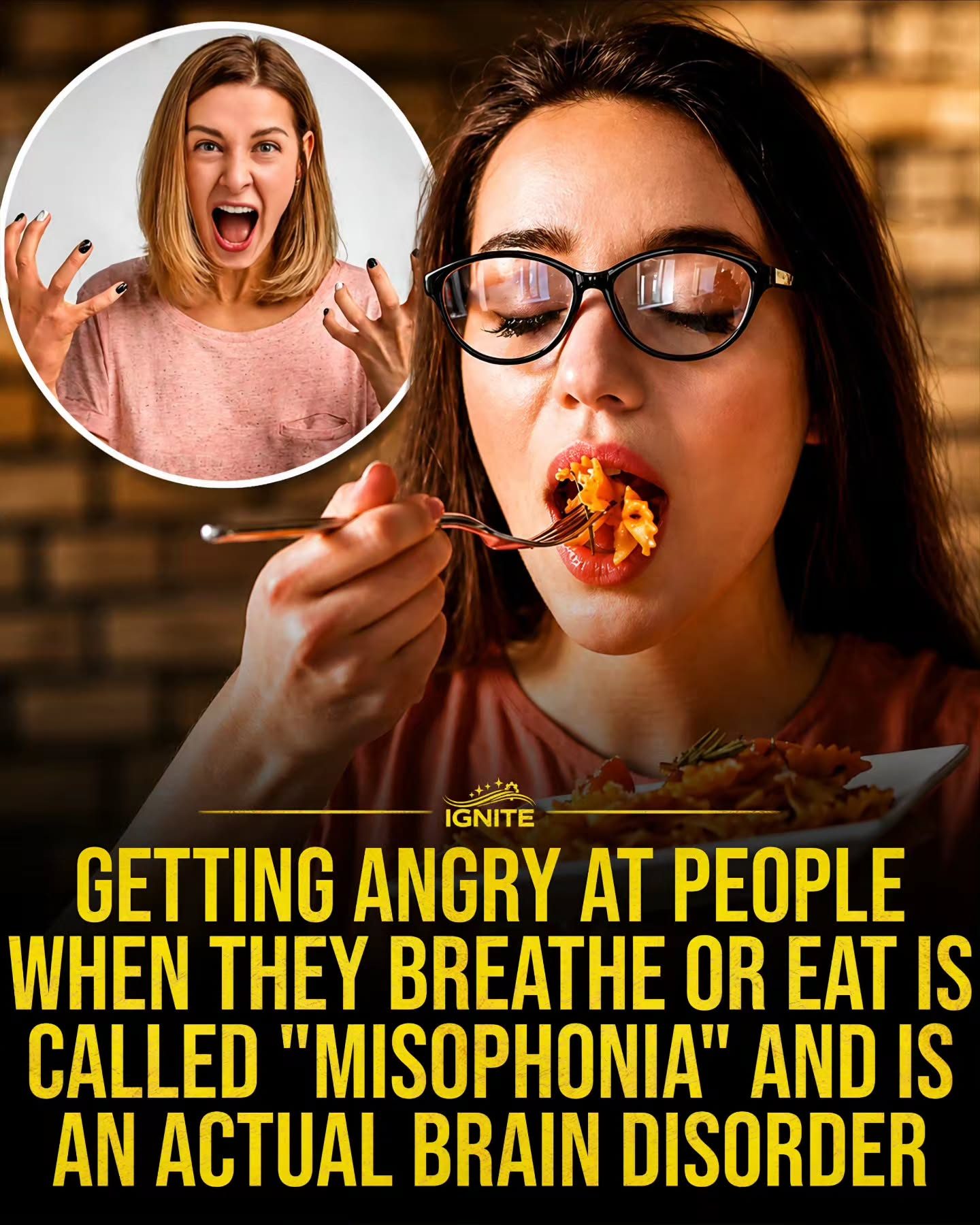
Misophonia: Understanding the Brain Disorder that Makes Everyday Sounds Unbearable
Misophonia is a neurological condition characterized by an intense emotional response to specific sounds. These sounds, often everyday noises like breathing, chewing, or swallowing, can trigger feelings of anger, disgust, or anxiety in individuals with misophonia. Understanding this condition is crucial for fostering empathy and support for those who experience it.
Why This Matters
Misophonia is more than just a mild annoyance; it is a genuine brain disorder that significantly impacts the quality of life for those who suffer from it. Raising awareness about misophonia can help reduce stigma, improve social interactions, and encourage better support systems for affected individuals. It also underscores the need for more research and understanding of this condition within the medical and psychological communities.
Misophonia: What It Is and How It Affects People
The Nature of Misophonia
Misophonia is rooted in the brain, specifically in the way certain sounds are processed. People with misophonia experience an abnormal emotional reaction to specific sounds, often referred to as "trigger sounds." These sounds can provoke a strong negative response, such as anger, frustration, or anxiety, even though the sounds themselves are typically benign. Common trigger sounds include chewing, breathing, and swallowing, which are everyday actions that most people wouldn't think twice about.
The Emotional Impact
The emotional responses triggered by misophonia can be overwhelming. Imagine feeling intense anger or anxiety every time someone near you eats or breathes loudly. This constant state of heightened emotional response can lead to significant stress, social isolation, and even mental health issues. Individuals with misophonia often go to great lengths to avoid situations where they might encounter trigger sounds, which can limit their social interactions and daily activities.
Practical Tips for Supporting Someone with Misophonia
Recognizing Trigger Sounds
Understanding the specific sounds that trigger a person's misophonia can help you avoid or minimize those sounds. Common trigger sounds include:
- Chewing and Swallowing: The sound of chewing or swallowing food or drink.
- Breathing: Loud or heavy breathing.
- Tapping or Clicking: Sounds made by tapping fingers, clicking pens, or tapping feet.
- Dropping or Knocking: The sound of objects being dropped or knocked over.
Creating a Supportive Environment
To support someone with misophonia, consider the following tips:
- Be Mindful of Your Sounds: Be aware of your own habits that might produce triggering sounds, such as eating loudly or tapping your fingers.
- Use Headphones: If you need to listen to music or audio, use headphones to avoid broadcasting the sound to others.
- Provide a Quiet Space: Create a quiet, sound-controlled environment where the individual can retreat when needed.
- Communicate Openly: Encourage open communication about what triggers the person and how you can support them.
Handling Public Spaces
Public spaces can be particularly challenging for someone with misophonia. Here are some strategies to make public interactions more manageable:
- Choose Quieter Settings: Opt for quieter restaurants, theaters, or other public places where the noise levels are lower.
- Plan Ahead: Inform the person with misophonia about the environment in advance, so they can prepare mentally and emotionally.
- Offer Alternatives: If a particular sound is unavoidable, find an alternative that works for both the person and the general public.
Important Takeaways
Misophonia is a real and challenging condition that affects many people. Here are the key points to remember:
- Misophonia is a brain disorder that causes intense emotional responses to specific sounds.
- Understanding and recognizing trigger sounds can help you support someone with misophonia.
- Creating a supportive and mindful environment can significantly improve the quality of life for individuals with misophonia.
Conclusion
Misophonia is a condition that requires empathy, understanding, and support. By recognizing the impact of trigger sounds and creating a supportive environment, we can help individuals with misophonia navigate their daily lives with greater ease and comfort. Raising awareness about this condition is essential for fostering a more inclusive and understanding society. If you know someone with misophonia, consider how you can support them and be mindful of their needs.
Watch the Reel
Questions readers ask
What are the most common misophonia trigger sounds?
The most common misophonia trigger sounds are often everyday noises, such as breathing, chewing, swallowing, and even the sound of typing. Some people may also be triggered by specific individuals or situations. These sounds can cause an exaggerated response, leading to intense emotions like anger or anxiety.
How does misophonia affect the brain?
Misophonia is a neurological disorder that alters the brain's response to specific sounds. In people with misophonia, these everyday sounds can activate the brain's fight-or-flight response, leading to a surge of intense emotions like anger, disgust, or anxiety.
Why does misophonia cause such strong emotional reactions?
Misophonia triggers a strong emotional response because of the way the brain processes these sounds. The exaggerated response is due to heightened activity in the brain's emotional centers, which can lead to feelings of anger, anxiety, or even physical discomfort.
Can misophonia be triggered by visual stimuli as well?
Yes, some people with misophonia can be triggered by visual stimuli, known as 'visual stress.' For example, seeing someone chew or swallow can cause the same intense emotional reactions as hearing the sounds.
Is misophonia a rare condition?
Misophonia is not as rare as once thought. It is estimated that about 15-20% of the population experiences some form of misophonia. However, the exact prevalence is still unknown, and more research is needed to better understand the condition.
What is the 'split screen' phenomenon in misophonia?
The 'split screen' phenomenon refers to the way people with misophonia can experience a disconnect between their rational thoughts and their intense emotional reactions. They may understand that the trigger sound is harmless, but still feel an overwhelming response of anger or anxiety.
What should I do if I think someone has misophonia?
If you think someone has misophonia, approach the situation with empathy and understanding. Encourage them to seek help from a healthcare provider. You can also support them by learning about their specific triggers and trying to avoid or mitigate those sounds when possible. Open communication is key to fostering a supportive environment.
Recent articles
Fresh deep dives from the latest Reels we unpacked.




Comments
Be the first to comment.