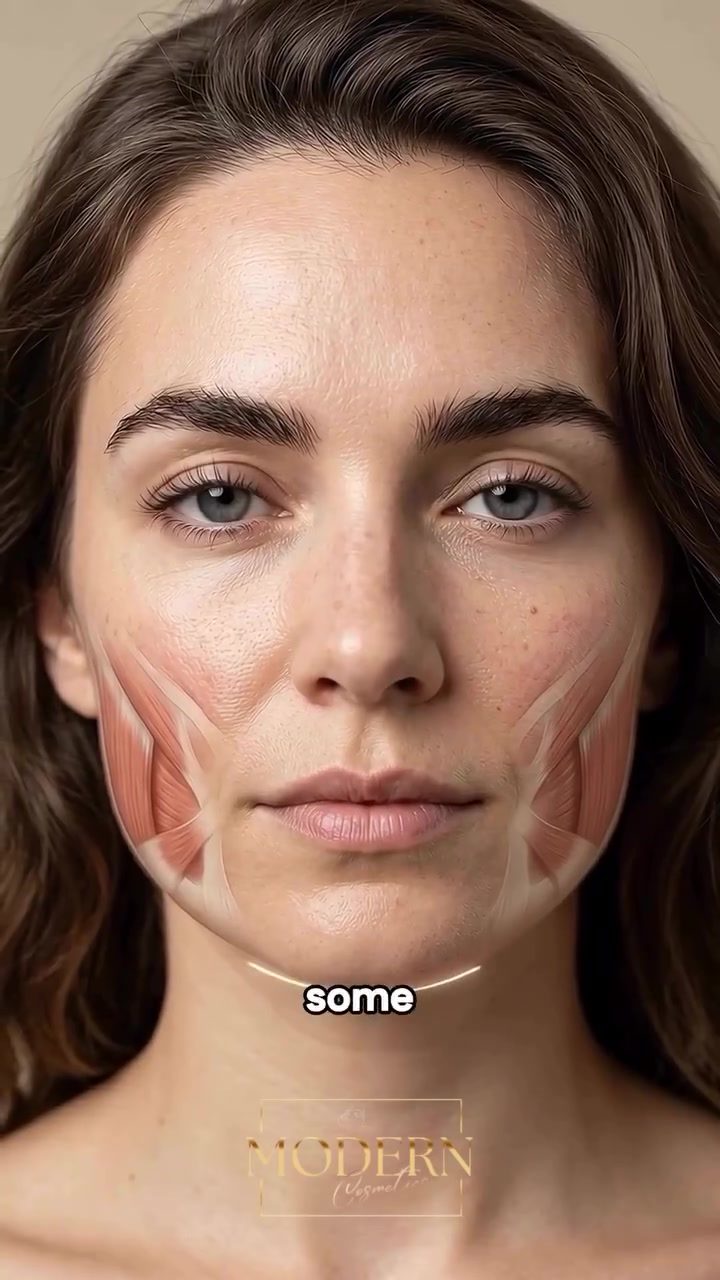
Facial Muscle Stimulation: Understanding the Masseter Muscle and Its Impact on Jawline Appearance
Facial muscle stimulation is a technique that can help improve facial contours and enhance the appearance of the jawline. To understand how this works, we need to dive into the role of a crucial muscle: the masseter.
The masseter muscle is a powerful muscle located in the jaw area. It plays a significant role in chewing, biting, and clenching teeth. This muscle is particularly notable because its activity and development can significantly influence the appearance of the lower face and jawline. When the masseter muscle becomes very active, it can increase in size over time, becoming stronger and more prominent. This increase in muscle size can create more fullness around the lower face, changing the appearance of the jawline.
Context / Why This Matters
Understanding the masseter muscle is essential for anyone interested in facial aesthetics and cosmetic treatments. The size and shape of the jawline are influenced by several factors, including bone structure, muscle development, and individual anatomy. The masseter muscle, in particular, can greatly affect the jawline's appearance. For some, this muscle can become more developed over time, making the jawline appear stronger or wider. This natural variation in muscle development is why some people have more prominent jawlines than others.
The Role of the Masseter Muscle
The masseter muscle is one of the strongest muscles in the human body relative to its size. Its primary function is to help with chewing, biting, and clenching the teeth. However, its role in facial aesthetics goes beyond its functional duties.
Muscle Activity and Jawline Appearance
When the masseter muscle is highly active, it can increase in size. This growth is due to the muscle fibers becoming more significant and more prominent, which can create more fullness around the lower face. This increased muscle mass can change the appearance of the jawline, making it look more defined and stronger.
Individual Variations
Individuals vary in how developed their masseter muscles are. This variation can be due to genetics, lifestyle, and habits. For example, people who grind their teeth or chew gum frequently may have more developed masseter muscles, which can contribute to a more prominent jawline.
Facial Muscle Stimulation Techniques
Facial muscle stimulation is a technique used to enhance facial contours by targeting specific muscles, including the masseter. This process involves using specialized cosmetic devices to stimulate muscle activity and promote muscle development.
How It Works
Facial muscle stimulation techniques typically involve the use of a cosmetic device that applies gentle electrical pulses or vibrations to the facial muscles. These pulses stimulate the muscles, encouraging them to contract and relax repeatedly. Over time, this stimulation can help build muscle mass and improve the contours of the face.
Benefits of Facial Muscle Stimulation
Facial muscle stimulation offers several benefits for those looking to enhance their jawline and overall facial aesthetics. Here are some of the key advantages:
- Non-Invasive: Unlike surgical procedures, facial muscle stimulation is non-invasive, making it a safer and more accessible option for many people.
- Customizable: The treatment can be tailored to individual needs and goals, ensuring that each person receives a personalized approach to facial enhancement.
- Effective: Regular use of facial muscle stimulation can lead to noticeable improvements in muscle tone and facial contours, helping to create a more defined and youthful appearance.
Practical Tips for Facial Muscle Stimulation
If you're considering facial muscle stimulation, here are some practical tips to help you get the most out of the treatment:
Choose a Reputable Provider
When selecting a provider for facial muscle stimulation, it's essential to choose a reputable and experienced professional. Look for a certified aesthetic practitioner who has a proven track record in administering facial muscle stimulation techniques.
Understand Your Goals
Before beginning any cosmetic treatment, it's crucial to have a clear understanding of your goals. Discuss your expectations with your practitioner to ensure that the treatment plan aligns with your desired outcomes.
Follow a Personalized Treatment Plan
A personalized treatment plan will help you achieve the best results. Work with your practitioner to develop a plan tailored to your individual anatomy, features, and goals.
Maintain a Healthy Lifestyle
Maintaining a healthy lifestyle can enhance the effects of facial muscle stimulation. Regular exercise, a balanced diet, and adequate sleep can promote muscle health and overall well-being.
Important Takeaways
Understanding the masseter muscle and its impact on the jawline is crucial for anyone interested in facial aesthetics. The masseter muscle plays a significant role in the appearance of the lower face and jawline, and its development can vary greatly among individuals. Facial muscle stimulation is a non-invasive technique that can help enhance facial contours by targeting specific muscles, including the masseter. By choosing a reputable provider, understanding your goals, and following a personalized treatment plan, you can achieve the best results from facial muscle stimulation.
Conclusion
Facial muscle stimulation is a valuable technique for enhancing facial contours and improving the appearance of the jawline. The masseter muscle, in particular, plays a crucial role in this process. By understanding how this muscle works and how stimulation techniques can enhance its development, you can make informed decisions about your facial aesthetics. Always consult with a qualified health professional to determine the suitability and potential outcomes of any cosmetic treatment.
Watch the Reel
Questions readers ask
What is the masseter muscle and where is it located?
The masseter muscle is one of the primary muscles used for chewing and biting. It is located in the jaw area, extending from the cheekbone to the lower jaw. This muscle is easily palpable and is notable for its powerful contractions and the role it plays in jawline definition.
How does the masseter muscle affect the jawline?
The masseter muscle significantly impacts the jawline by contributing to the lower face's fullness and contour. When the muscle is well-developed, it can enhance the jawline's definition, making it more pronounced and angular. Conversely, a weak or underdeveloped masseter muscle can lead to a less defined jawline.
What are some exercises that can help strengthen the masseter muscle?
Several exercises can help strengthen the masseter muscle, including chewing gum, performing jaw clenching exercises, and practicing resistance exercises with the jaw. Always remember to perform these exercises gently and avoid overuse, as excessive strain can lead to discomfort or injury.
Can masseter muscle exercises help improve lower face aesthetics?
Yes, targeted exercises can help improve the appearance of the lower face by enhancing the masseter muscle's definition. Strengthening this muscle can lead to a more contoured and defined jawline, contributing to a more balanced and aesthetically pleasing facial structure.
What are some signs of an overactive masseter muscle?
An overactive masseter muscle can result in symptoms such as jaw pain, tension headaches, and teeth grinding. In some cases, it may also lead to a more prominent and square-shaped jawline, which can be seen as an undesirable aesthetic outcome.
How can I determine if my masseter muscle is weak or overdeveloped?
To determine the condition of your masseter muscle, you can assess its size and strength. If the muscle feels weak or small during palpation, it may be underdeveloped. Conversely, an overdeveloped muscle can feel larger and more pronounced, potentially leading to a wider or more square jawline. Consider consulting a professional for personalized guidance.
Recent articles
Fresh deep dives from the latest Reels we unpacked.




Comments
Be the first to comment.