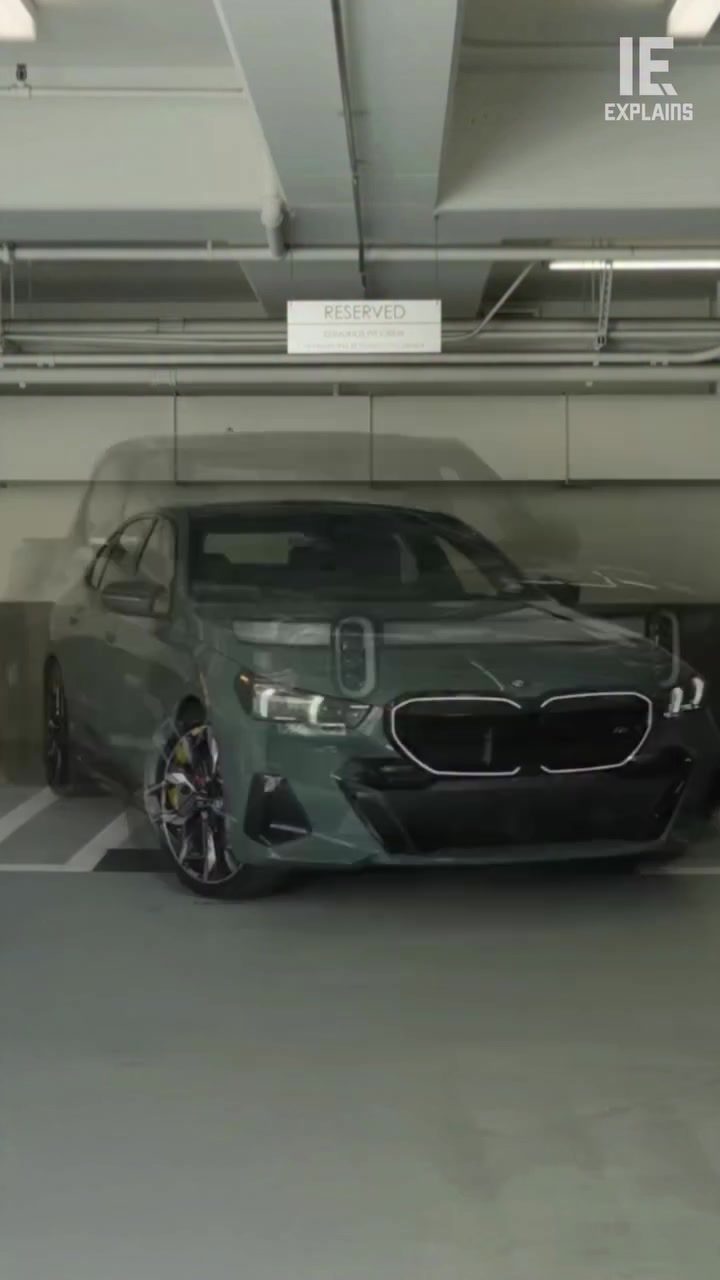
Ferrari Luce: Design Controversy and the Future of Electric Cars
The unveiling of Ferrari's first-ever fully electric car, the Luce, on May 26, 2026, sparked an intense debate. Within 24 hours, Ferrari's stock crashed 8%. This dramatic reaction raised questions about the future of the iconic brand and the role of electric vehicles (EVs) in the automotive industry. The controversy surrounding the Luce's design and the broader discussion on EV aesthetics provide valuable insights into the evolving world of electric cars.
Context: The Luce Controversy
The Luce, Ferrari's first fully electric supercar, faced immediate backlash. Critics and enthusiasts alike questioned the car's design, with some even comparing it to a vacuum cleaner. This harsh criticism came from various sources, including longtime Ferrari executives and Italian politicians. The outcry highlighted a deeper issue: the public's perception of electric vehicles and their design constraints.
Why Every EV Looks the Same
Electric vehicles often share similar design features due to several key factors:
Aerodynamics
Aerodynamics is a critical factor in EV design. A lower drag coefficient allows the car to travel further on a single charge. This means that EVs often have sleek, streamlined shapes to minimize air resistance. The focus on aerodynamics is why many EVs have a distinctive, almost uniform appearance.
Battery Skateboard Chassis
Most EVs use a battery skateboard chassis, where a flat battery pack sits under the floor. This layout affects the car's dimensions, typically resulting in a raised floor height and a longer wheelbase with shorter overhangs. The battery placement is crucial for stability and weight distribution, but it also dictates the vehicle's overall shape.
Safety Regulations
Safety regulations, particularly those related to pedestrian protection, also influence EV design. Features such as crumple zones and pedestrian-friendly front ends are essential but can make the cars look more utilitarian and less sporty.
The Yangwang U9: A Counterpoint
The Yangwang U9, BYD's flagship electric supercar, offers a striking counterpoint to the conventional EV design. Priced around $150,000, the U9 sits inches off the ground and features an active rear spoiler that rises dramatically at speeds. Its sharp creases, aggressive air intakes, and racing circuit-inspired silhouette challenge the notion that all EVs must look the same.
Comparing the Ferrari Luce and the Yangwang U9
When comparing the Ferrari Luce and the Yangwang U9, some remarkable similarities and differences emerge:
Dimensions
The Ferrari Luce is 5026 millimeters long, while the Yangwang U9 is 4966 millimeters long—a difference of just 60 millimeters, roughly the length of a thumb. The wheelbase of the Luce is 2,961 millimeters, and the U9's is 2,900 millimeters—again, a difference of just 61 millimeters. These measurements indicate that both cars are built on almost identical footprints, despite their different aesthetic approaches.
Design Philosophy
The Yangwang U9's design is more aggressive and sporty, with features that emphasize performance and aerodynamics. In contrast, the Ferrari Luce's design has been criticized for lacking the sporty appeal expected from a Ferrari, which contributes to the design controversy.
Practical Tips for Understanding EV Design
When evaluating electric car designs, consider the following:
- Aerodynamics: Look for features that reduce air resistance and improve efficiency.
- Battery Placement: Understand how the battery pack's location affects the car's dimensions and performance.
- Safety Features: Pay attention to safety features that may influence the car's overall design.
- Brand Identity: Consider how the design aligns with the brand's traditional aesthetics and values.
Important Takeaways
The controversy surrounding the Ferrari Luce underscores the challenges and complexities of designing electric vehicles. Aesthetic considerations are just one part of the equation; engineers must also balance performance, safety, and efficiency. The Yangwang U9 demonstrates that it is possible to create a high-performance electric supercar with a distinctive design, challenging the stereotype of uniform EV appearances.
Conclusion
The debate over the Ferrari Luce's design highlights a pivotal moment in the automotive industry's transition to electric vehicles. As EVs become more prevalent, designers and manufacturers will continue to navigate the delicate balance between performance, efficiency, and aesthetics. The future of electric cars will likely see more diverse and innovative designs, driven by advances in technology and a deeper understanding of consumer preferences.
Watch the Reel
Questions readers ask
Why did the Ferrari Luce's design spark controversy among enthusiasts and critics alike?
The Ferrari Luce's design sparked controversy due to its unique and unconventional aesthetic. Many critics felt the design did not align with traditional supercar aesthetics. This led to comparisons to household appliances, such as a vacuum cleaner, fuelling intense debate about the future of electric vehicle design.
What are some common design features among electric vehicles (EVs)?
Many EVs share common design features like aerodynamic shapes, which improve efficiency and range, and battery skateboard chassis, which house the battery pack and lower the car's center of gravity. Safety regulations also influence EV design, ensuring structural integrity and occupant safety.
How did the unveiling of the Ferrari Luce impact the company's stock?
When the Ferrari Luce was unveiled, the company's stock crashed 8% within 24 hours. This dramatic reaction highlighted the intense debate surrounding the Luce's design and the broader discussion on EV aesthetics.
What is the significance of the Ferrari Luce in the context of EV design trends?
The Ferrari Luce is significant because it is Ferrari's first fully electric car. Its unique design has sparked debate about the future of electric vehicle aesthetics, which historically have been influenced by factors such as EV battery placement and aerodynamic efficiency.
What is the 'skateboard chassis' design in EVs, and why is it controversial?
The 'skateboard chassis' design in EVs places the battery pack low in the vehicle, improving stability and efficiency. However, it has also been criticized for leading to a lack of diversity in EV aesthetics, contributing to the controversy around the Ferrari Luce's design.
How does the Ferrari Luce's design compare to other electric vehicles and supercars in the market?
The Ferrari Luce stands out due to its unique, unconventional design. Unlike many EVs, which share common aerodynamic shapes and battery placement, the Luce's design has been heavily criticized for not meeting traditional supercar aesthetics, sparking a debate about the future of electric vehicle design.
What insights can be gained from the debate surrounding the Ferrari Luce's design?
The controversy surrounding the Ferrari Luce's design provides valuable insights into the future of electric vehicle aesthetics. It highlights the challenge of balancing traditional design elements with the unique requirements of electric vehicles, as well as the importance of brand identity in the evolving world of electric cars.
Related deep dives
Similar reads based on topic and creator.


Recent articles
Fresh deep dives from the latest Reels we unpacked.




Comments
Be the first to comment.