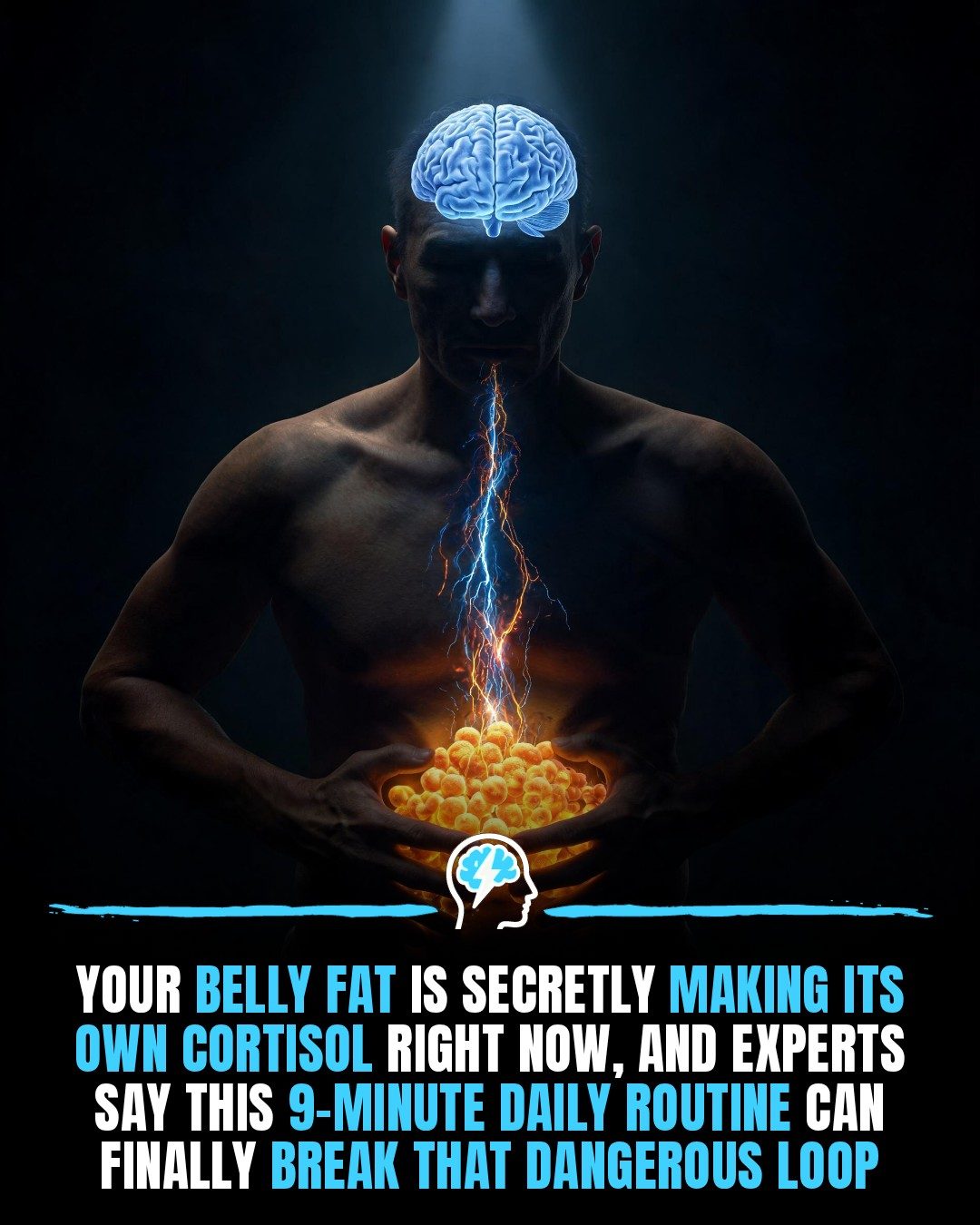
Cortisol and Belly Fat
Belly fat is more than just an aesthetic concern — it's a biologically active issue that affects your hormone health. Visceral fat, the type that wraps around your organs, produces its own cortisol. This active fat is not just a byproduct of stress; it generates stress, making traditional weight loss methods like "eat less, move more" less effective for some.
Why This Matters
Cortisol, often referred to as the stress hormone, plays a significant role in how your body manages stress. When visceral fat produces cortisol, it sets up a feedback loop that keeps your body in a constant state of alarm. This loop can be challenging to break, but understanding how it works is the first step toward managing it effectively.
The Cycle of Storage
Visceral fat contains an enzyme called 11beta-HSD1, which converts inactive hormones into active cortisol. Here’s how the cycle works:
- Local Cortisol Spikes: The cortisol produced by belly fat triggers the growth of new fat cells.
- Increased Enzyme Activity: More abdominal fat leads to more enzyme activity, producing even more cortisol.
- Sympathetic Nervous System Activation: Your nervous system stays in sympathetic mode, slowing down your metabolism.
Beyond the Physical
The effects of excess cortisol extend beyond just physical appearance. Elevated cortisol levels in your bloodstream can disrupt sleep, mood, and appetite. This disruption leads to cravings for high-calorie foods, which the body stores as even more visceral fat, perpetuating the cycle.
Resetting the System
Breaking this cycle requires more than just cutting calories. It involves changing how your body responds to stress signals. A short, targeted movement routine can help calm the nervous system and break the hormonal loop. This routine is designed to be gentle and focused, avoiding long, intense workouts that can further spike cortisol levels.
The 9-Minute Routine
Instead of long, intense workouts, consider a 9-minute daily routine that includes:
- Gentle Mobility Work: This helps bring your heart rate down and signals to your body that it’s safe.
- Diaphragmatic Breathing: This type of breathing tells your brain that it’s safe, reducing stress levels.
- Short, Consistent Bursts of Movement: These bursts improve insulin sensitivity without wearing out your adrenals.
The Shift
Consistency is key with this routine. Doing it daily sends a clear signal to your body to stop overproducing stress hormones. Quality over quantity is the goal — less than 10 minutes a day is enough to start shifting the balance. Over time, as your stress load decreases, your body will naturally let go of the fat it once held onto for survival.
Practical Tips
Here are some practical tips to help you incorporate this routine into your daily life:
- Morning Routine: Start your day with the 9-minute routine to set a calm and focused tone for the rest of your day.
- Consistency: Make it a habit to do the routine every day, even on days when you don’t feel like it.
- Mindfulness: Pay attention to your breathing and movements during the routine. This mindfulness can enhance the routine's effectiveness.
Important Takeaways
- Visceral Fat is Active: Understand that belly fat is not just dormant tissue but an active part of your endocrine system.
- Cortisol Feedback Loop: Recognize the cycle of cortisol production and how it affects your body.
- Breaking the Cycle: Implement a 9-minute daily routine to break the cortisol loop and improve your overall health.
- Quality Over Quantity: Focus on a consistent, high-quality routine rather than long, intense workouts.
Conclusion
Belly fat and cortisol have a complex relationship that goes beyond simple weight management. By understanding this relationship and implementing a targeted routine, you can effectively manage cortisol levels, improve your overall health, and achieve a healthier, more balanced lifestyle.
Watch the Reel
Questions readers ask
What is the cortisol-belly fat loop?
The cortisol-belly fat loop is a cycle where visceral fat, the fat that surrounds your organs, produces cortisol, a stress hormone. This cortisol keeps your body in a constant state of alarm, making it difficult to lose weight and manage stress effectively.
How does the cortisol-belly fat loop affect weight loss?
This loop can make traditional weight loss methods less effective. The constant state of alarm triggered by cortisol can slow down metabolism and promote fat storage, particularly around the stomach area.
What is the 9-minute fix mentioned in the article?
The 9-minute fix refers to a short, targeted movement routine that can help break the cortisol-belly fat loop. It is designed to calm the nervous system and reduce the production of cortisol, aiding in belly fat reduction and stress management.
How does exercise help in reducing cortisol levels?
Exercise, particularly short, targeted routines like the 9-minute workout, can help reduce cortisol levels by activating the parasympathetic nervous system, which is responsible for the body's rest and digest functions. This helps to counteract the effects of stress and reduce cortisol production.
What is visceral fat and why is it important to address?
Visceral fat is the type of fat that wraps around your organs and is biologically active. It produces its own cortisol, which can keep your body in a constant state of alarm and make weight loss challenging. By addressing visceral fat, you can actively target the source of the cortisol production and start to break the belly fat stress loop.
Can reducing stress help in managing belly fat?
Yes, reducing stress can help in managing belly fat. By lowering stress, you can decrease cortisol production, which in turn helps to break the cortisol-belly fat loop. This can lead to more effective weight management and improved overall health.
What are some strategies to break the belly fat cycle?
Strategies to break the belly fat cycle include engaging in short, targeted exercise routines, practicing stress-reduction techniques, and maintaining a healthy lifestyle. These actions can help to lower cortisol levels, reduce visceral fat, and manage belly fat more effectively.
Related deep dives
Similar reads based on topic and creator.



Recent articles
Fresh deep dives from the latest Reels we unpacked.




Comments
Be the first to comment.