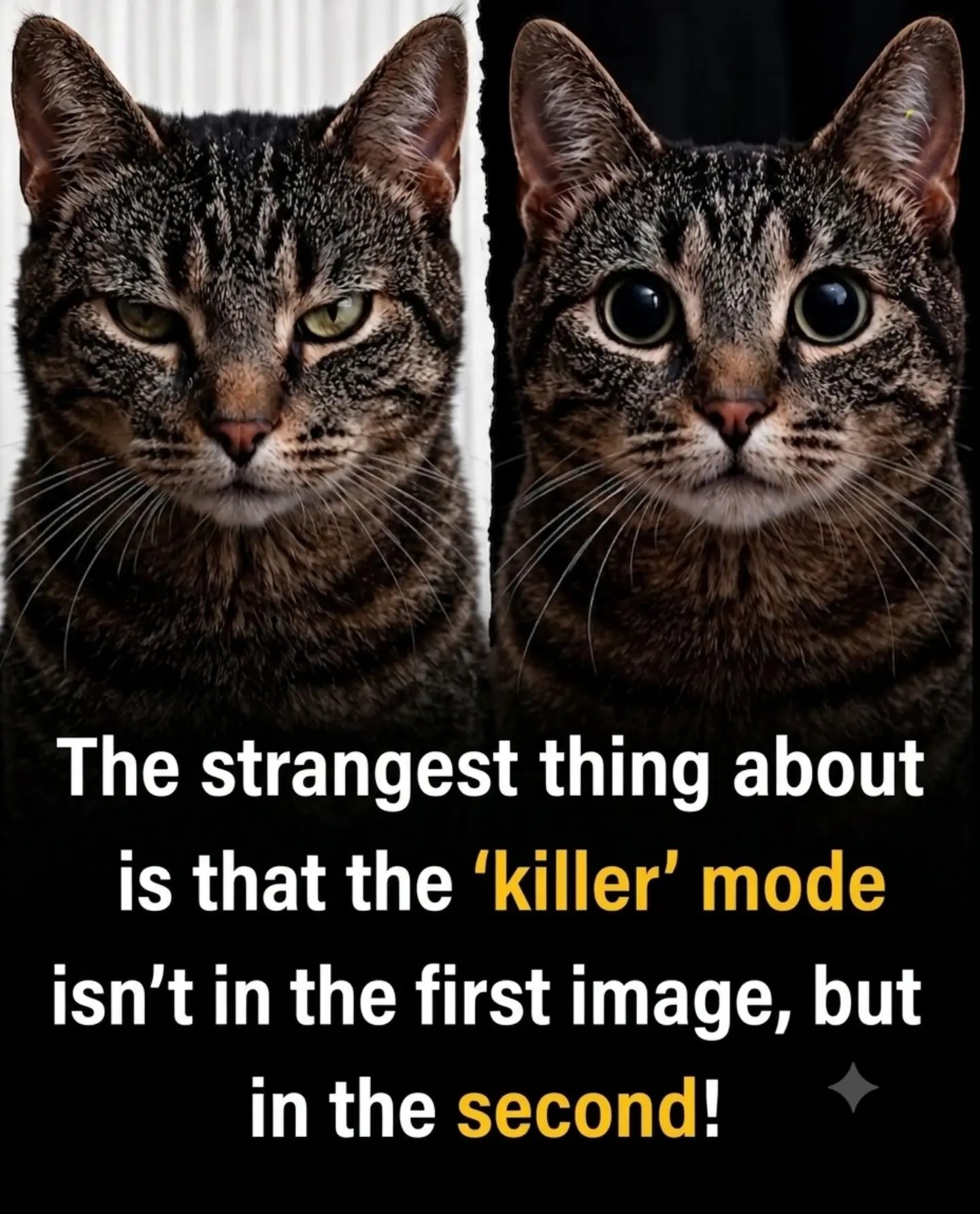
Cat expressions and eye dilation can be quite fascinating, as they tell a story about feline behavior and physiology. It’s easy to misinterpret a cat’s facial expressions due to anthropomorphism—the tendency to attribute human-like emotions and intentions to animals. This can lead to some common misconceptions about cat body language. Understanding these subtle cues can provide deeper insights into a cat's mood and intentions.
Why This Matters
Cats are often seen as independent and sometimes aloof pets, but their facial expressions and body language can reveal a lot about their emotional state and intentions. Recognizing these cues can enhance the bond between cats and their owners, making interactions more meaningful and safer. For instance, knowing when a cat is in a predatory or defensive mode can help prevent accidental injuries during playtime or handling.
Understanding Cat Expressions
Narrowed Eyes and a Furrowed Brow
In the first image, the cat exhibits narrowed eyes and a furrowed brow. Humans often misinterpret this expression as a sign of anger, aggression, or a "killer" instinct. However, this is far from the truth. Narrowed eyes in cats can indicate a range of emotions, including relaxation, drowsiness, caution, or a defensive warning. It’s a way for the cat to signal that it is calm or cautioning a potential threat.
The "Killer" Mode
The second image reveals the true predatory state. When a cat enters "hunting" or "killer" mode, its sympathetic nervous system triggers an immediate surge of adrenaline. This adrenaline rush causes the pupils to dilate rapidly into large, round circles. This physiological response maximizes light intake and broadens the cat’s field of view, allowing it to accurately judge distance, track movement, and lock onto its prey just before striking. Therefore, while the wide-eyed expression in the second image may appear cute or innocent to a human observer, it actually signifies a highly focused predator prepared to pounce. This is also a key part of understanding the cat’s visual cues and knowing that they are ready to hunt.
The Strangest Thing About
The text "The strangest thing about" emphasizes the counterintuitive nature of a cat’s expressions. It highlights the misconception that the "killer" mode is not in the first image but in the second. This observation underscores the importance of understanding the nuances of feline behavior and not relying on human interpretations of facial expressions.
The True Predatory State
Cats are natural predators, and their physiology is finely tuned for hunting. When a cat is in hunting mode, its body undergoes several changes to enhance its hunting abilities. The dilation of the pupils is just one of these changes. The heart rate increases, muscles tense, and the cat becomes hyper-aware of its surroundings. These physiological changes prepare the cat for a swift and accurate strike, ensuring a successful hunt.
Practical Tips for Interpreting Cat Expressions
Observe the Eyes
The eyes are a crucial indicator of a cat’s emotional state. Narrowed eyes usually mean the cat is relaxed, while dilated pupils indicate heightened alertness or predatory focus. If a cat’s pupils are dilated in a non-prey situation, it could be a sign of fear or excitement.
Pay Attention to Body Language
Body language complements facial expressions. A relaxed cat will have its body loose and may even be lying down. An alert or predatory cat will have its body tensed, ready to spring into action. Tail movements can also provide clues: a twitching tail might indicate irritation, while a tail held high and straight can signify confidence or alertness.
Consider the Context
Understanding the context is vital. For example, a cat with dilated pupils in a dark room might simply be adjusting to low light, while the same expression in a bright, quiet room could signal a predatory state or fear.
Important Takeaways
Correct Misconceptions
Cats often surprise us with their subtle expressions and behaviors. It's crucial to correct common misconceptions about their body language to better understand and interact with them.
Enhance Bonding
Knowing what your cat’s expressions mean can enhance your bond. You’ll be able to read your cat’s moods and intentions more accurately, leading to more meaningful interactions.
Safety First
Understanding when a cat is in predatory or defensive mode can help prevent accidental injuries. It’s essential to respect a cat’s space and avoid startling them, especially when they are in a heightened state of alertness.
Conclusion
Feline expressions and eye dilation provide valuable insights into a cat’s emotional state and intentions. Misinterpreting these cues can lead to misunderstandings and potential safety issues. By understanding the nuances of cat body language, cat owners can enhance their bond with their pets and ensure safer, more meaningful interactions. Whether it's recognizing the difference between a relaxed and predatory state, or simply appreciating the subtle changes in a cat’s expressions, this knowledge can greatly enrich the relationship between cats and their human companions.
Watch the Reel
Questions readers ask
What does it mean when a cat's eyes are dilated?
Cat eye dilation is a natural response to various stimuli, such as excitement, fear, or aggression. It allows more light into the eye, enhancing the cat's ability to see in low light. If a cat's eyes are dilated, it could indicate that the cat is alert, curious, or even feeling threatened. It's important to consider other body language cues to accurately interpret the cat's mood.
How can I tell if my cat is feeling aggressive?
A cat may show signs of aggression through dilated pupils, ear position, and body posture. If a cat is aggressive, it might have its ears flattened against its head, and it's body might be tense. Understanding these signals can help you avoid potential harm by providing space and avoiding confrontation. Other signs to watch for include hissing, growling, or a twitching tail.
Why do cats narrow their eyes?
Cat eye narrowing, often known as a 'cat squint,' is typically a sign of contentment or affection. This behavior is often seen when cats are in a relaxed state. However, a cat's eyes narrowing can also indicate a cat is preparing to act. This might be a precursor to a cat pouncing on a toy or reacting to something in its environment. Pay attention to the cat's other body language to better understand the cat's intentions.
How do cats show their emotions through body language?
Cats use a variety of body language cues to communicate their emotions. A cat's tail, ears, and body position can all provide insights into how a cat is feeling. For example, a cat with an upright tail and forward-facing ears might be curious or alert. Understanding these subtle cues can help you better interpret your cat's mood and intentions, making your interactions more meaningful and safer.
What should I do if I misread my cat's body language?
If you misread your cat's body language, it's essential to stay calm and give your cat space. Avoid sudden movements or loud noises that might startle the cat. Pay close attention to the cat's body language and try to identify the underlying cause of the cat's behavior. If the cat's behavior is concerning or aggressive, it may be helpful to consult with a veterinarian or a certified animal behaviorist for advice.
Related deep dives
Similar reads based on topic and creator.



Recent articles
Fresh deep dives from the latest Reels we unpacked.




Comments
Be the first to comment.