Cravings and Nutrition
Food cravings are a common experience, and while they might seem random, they often signal specific nutritional needs. Understanding these cravings can help you make more informed food choices and maintain a balanced diet.
Why This Matters
Cravings aren’t just about taste; they can be your body’s way of communicating specific needs. By recognizing these signals, you can better support your overall health and well-being. For example, cravings for chocolate, salty foods, or oily foods might indicate a need for particular nutrients.
Understanding Common Food Cravings
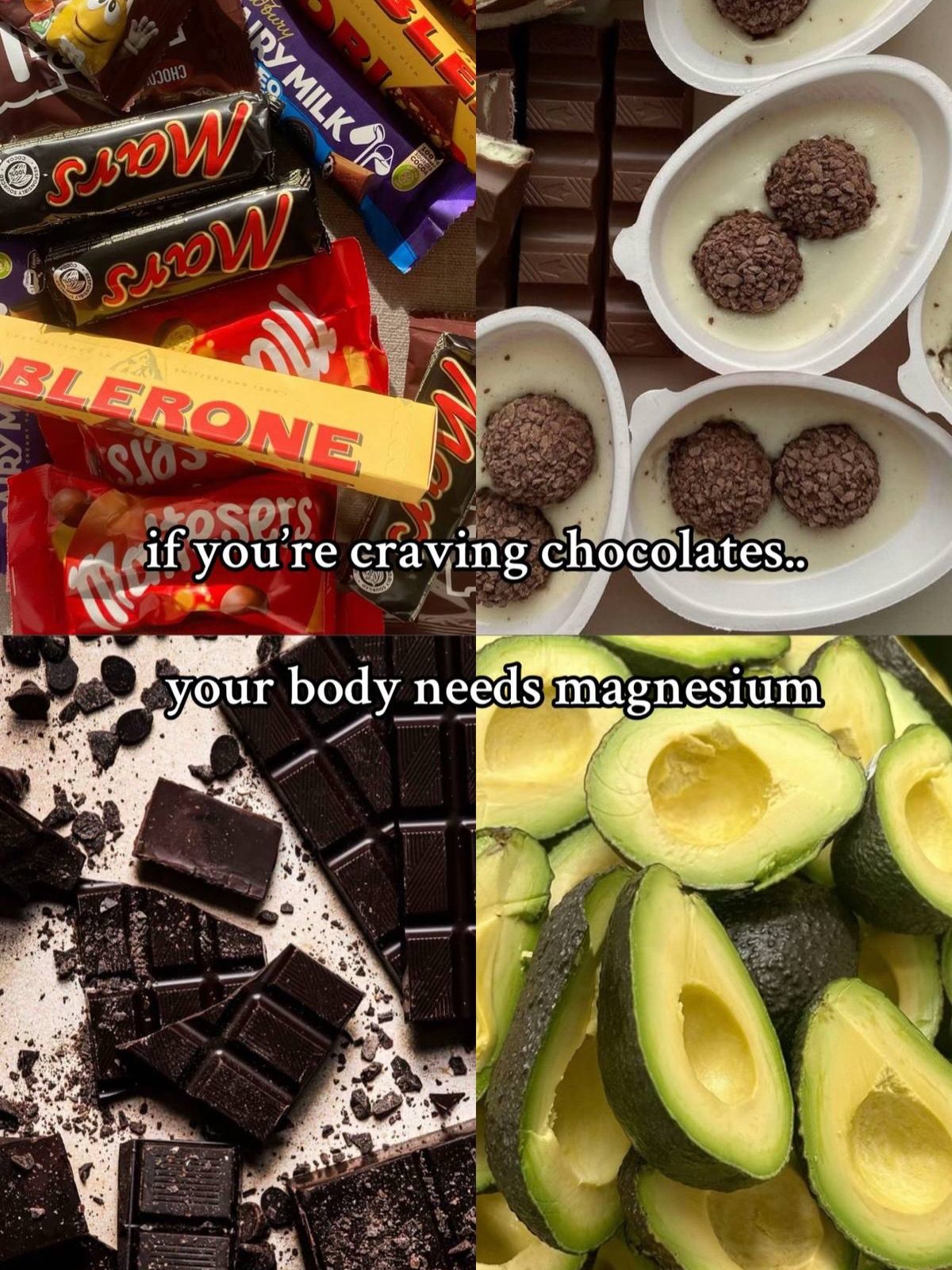
Chocolate Cravings and Magnesium
If you find yourself reaching for a bar of chocolate, your body might be low on magnesium. This essential mineral plays a crucial role in muscle function, sleep, and energy levels. Instead of reaching for highly processed chocolate, consider healthier alternatives like dark chocolate, avocado, nuts, and seeds. These foods are not only richer in magnesium but also offer additional health benefits.
Carb and Sweet Cravings and Protein
Cravings for carbohydrates or sweets often indicate a need for more protein. Protein helps stabilize blood sugar levels, keeping you fuller for longer and preventing energy crashes. Balanced meals that include a good source of protein can help satisfy these cravings and support overall health. Opt for lean proteins like chicken, fish, tofu, or legumes to meet your nutritional needs.
Salty Food Cravings and Omega-3 Fatty Acids
A craving for salty foods might suggest that your body is low on healthy fats or omega-3 fatty acids. These nutrients are vital for brain function, heart health, and reducing inflammation. Foods rich in omega-3s include salmon, nuts, seeds, and other nutrient-dense options. Including these in your diet can help meet your body’s needs and satisfy your cravings in a healthier way.
Oily Food Cravings and Calcium
Cravings for oily or heavy foods can sometimes be related to a need for calcium. Calcium is essential for bone health, muscle function, and nerve signaling. Dairy products, yogurt, and other calcium-rich foods can help fulfill these requirements. Opting for low-fat or plant-based alternatives can provide the necessary nutrients without the excess calories.
Practical Tips for Managing Cravings
Listen to Your Body
The first step in managing cravings is to listen to your body. Notice the patterns and the times when cravings occur. Are they linked to specific emotions, times of day, or physical activities? Understanding these triggers can help you address the underlying cause.
Choose Healthier Alternatives
Instead of reaching for the first tempting treat, consider healthier alternatives that can satisfy your cravings and provide the nutrients your body needs. For example, if you crave sweets, opt for a piece of dark chocolate or a smoothie with a banana.
Maintain a Balanced Diet
A balanced diet ensures that you get all the necessary nutrients, reducing the likelihood of cravings. Include a variety of foods from different food groups in your meals. This way, your body receives a steady supply of vitamins and minerals, which can help control cravings.
Stay Hydrated
Sometimes, what feels like a food craving is actually dehydration. Make sure you drink enough water throughout the day. Hydration is essential for overall health and can help curb unnecessary cravings.
Incorporate Regular Exercise
Regular physical activity can help regulate your appetite and reduce cravings. Exercise boosts your mood and energy levels, making it easier to maintain a balanced diet.
Be Mindful of Emotional Eating
Cravings can often be emotionally driven. If you find yourself craving certain foods during times of stress or boredom, try to address the underlying emotion through other means, such as meditation, reading, or talking to a friend.
Important Takeaways
Cravings are more than just random desires; they can be your body’s way of communicating specific needs. Understanding and addressing these needs can help you maintain a balanced diet and overall health.
- Recognize the Signals: Pay attention to your body’s cravings and what they might be telling you about your nutritional needs.
- Choose Wisely: Opt for healthier alternatives that provide the nutrients your body is craving.
- Balance and Consistency: Maintain a balanced diet and engage in regular physical activity to support overall health and reduce cravings.
- Emotional Awareness: Be mindful of emotional eating and find healthier ways to cope with stress and other emotions.
- Hydration Matters: Stay hydrated to avoid cravings that might be due to dehydration.
Conclusion
Understanding and addressing food cravings can significantly improve your diet and overall health. By recognizing the nutritional needs behind your cravings and choosing healthier alternatives, you can support your body’s needs while enjoying the foods you love.
Watch the Reel
Questions readers ask
What do chocolate cravings typically indicate about my body's nutritional needs?
Chocolate cravings often signal a magnesium deficiency. Magnesium is essential for muscle function and many other bodily processes. To meet this need, consider incorporating magnesium-rich foods like leafy greens, nuts, and seeds into your diet.
How can I determine if my body needs more protein?
Cravings for high-protein foods such as meat, eggs, or beans might indicate a protein deficiency. Since protein is vital for muscle repair and growth, ensure you're consuming adequate amounts through lean meats, legumes, and dairy products.
What should I do if I am experiencing frequent cravings for salty foods?
Frequent cravings for salty foods can suggest a need for more sodium or other electrolytes, especially if you've been sweating a lot or are physically active, and if it's accompanied by fatigue or dizziness, it might signal a sodium deficiency. However, excessive salt intake can lead to health issues, so opt for healthier options like pickles, olives, or a small amount of seaweed.
Are there specific foods I can eat to boost my energy levels healthily?
To boost energy levels naturally, consider incorporating energy-boosting foods such as nuts, seeds, and fruits. These foods provide a balance of healthy fats, proteins, and carbohydrates that can sustain your energy levels without causing a crash.
What can I do to address cravings for oily foods effectively?
Cravings for oily foods might indicate a need for healthy fats. Instead of reaching for processed snacks, opt for healthier fats found in avocados, nuts, and fatty fish. These foods support heart health and overall well-being.
How can I identify if my body needs more calcium?
Cravings for dairy products, such as cheese or milk, or for calcium-rich plant foods, like broccoli or almonds, might indicate a calcium deficiency. Calcium is crucial for bone health and muscle function.
What are some healthy snack options that can help with energy and cravings?
For a balanced snack that can provide energy and address cravings, try a combination of nuts and fruits. This mix offers healthy fats, proteins, and carbohydrates to satisfy hunger and keep your energy levels steady.
What are the symptoms of calcium deficiency, and how can I address them?
Symptoms of calcium deficiency include muscle cramps, fatigue, and even depression. To increase your calcium intake, try incorporating dairy products, leafy greens, and fortified plant-based milks into your diet.
Recent articles
Fresh deep dives from the latest Reels we unpacked.




Comments
Be the first to comment.