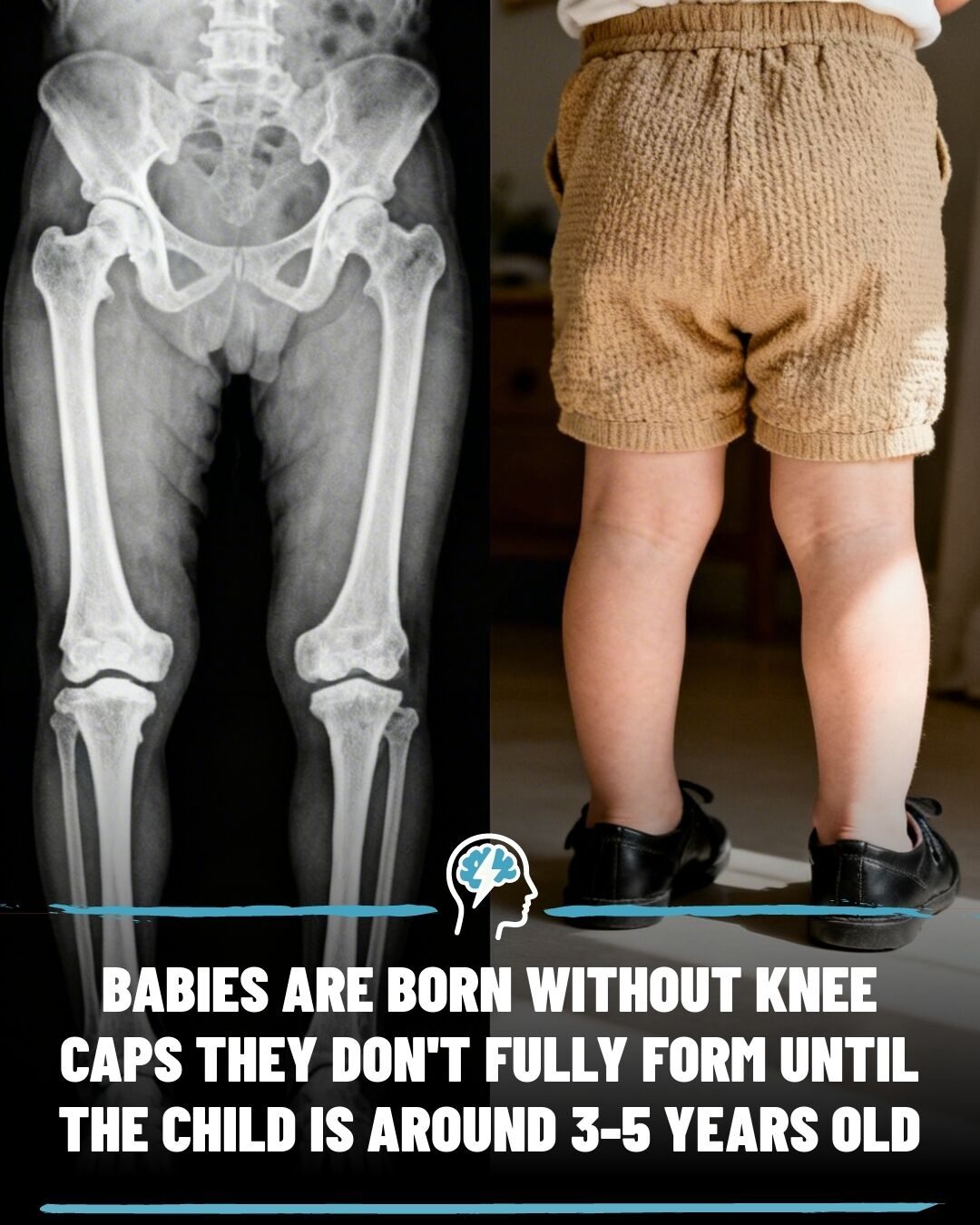
Child Development and Knee Caps
Newborns are born with a surprising structural feature in their knees: they lack bony kneecaps. Instead, infants have soft, cartilaginous structures in the locations where their patellae will eventually form. These structures are predominantly composed of cartilage, which is why they do not show up clearly on standard X-rays. So, when do these cartilaginous structures begin to ossify, or turn into bone?
Ossification, the process of bone formation, typically starts around ages 2-3. During the age range of 3-5, this bone formation becomes more noticeable. However, a common misconception suggests that the patella is fully ossified by age five. In reality, most children do not have a fully formed kneecap until around ages 6-7. Even beyond this age, the patella continues to grow and mature throughout childhood, with development extending well into adolescence.
The Importance of Knowing About Pediatric Bone Development
Understanding these developmental stages is crucial for both parents and caregivers, as it helps set realistic expectations about skeletal maturity. This knowledge is also essential for healthcare providers assessing knee concerns in young children. It's important to note that developmental timelines can vary significantly between individuals. Some children may ossify earlier or later, and this does not necessarily indicate any problem.
If you have concerns about your child's bone development, it's best to consult a pediatric healthcare provider who can assess your specific situation. This knowledge is also essential for healthcare providers assessing knee concerns in young children.
Kneecap Development: A Detailed Breakdown
The Ossification Process
Ossification is the process by which cartilage is replaced by bone. For the patella, this process begins around ages 2-3 and continues gradually. The cartilage structures start to harden and become more bony, which can be seen on X-rays. By ages 3-5, the bone formation becomes more evident. However, full ossification does not occur until around ages 6-7. This means that even after the age of 5, the patella continues to develop and harden.
Factors Affecting Kneecap Development
Several factors can influence the rate of kneecap development in children. Genetic predisposition plays a significant role, as does overall health and nutrition. Children who are physically active and have a balanced diet tend to have more robust bone development. However, it's essential to avoid pushing children too hard, as excessive physical activity can also impact their skeletal development negatively.
Variability in Developmental Timelines
It's important to recognize that every child develops at their own pace. Some children may ossify earlier or later than the typical timeline. This variability is normal and does not necessarily indicate any underlying issues. However, if there are significant delays or concerns about bone development, consulting a healthcare provider is advisable.
Practical Tips for Parents
Monitor Your Child's Development
Keep an eye on your child's overall development, not just their kneecap formation. Observe their physical milestones, such as walking, running, and jumping. If you notice any significant delays or concerns, consult a healthcare provider.
Encourage Healthy Habits
Promote a balanced diet rich in calcium and vitamin D, which are essential for bone health. Encourage physical activity that is age-appropriate and promotes overall skeletal development. Avoid over-exertion and ensure your child gets adequate rest and nutrition.
When to Seek Professional Help
If you have concerns about your child's bone development, do not hesitate to consult a pediatric healthcare provider. They can assess your child's specific situation and provide guidance tailored to their needs. Regular check-ups and screenings can also help monitor your child's progress and ensure they are developing healthily.
Important Takeaways
Babies are born with soft, cartilaginous structures in place of bony kneecaps, which gradually ossify over time. This process begins around ages 2-3 and continues well into adolescence. Understanding this developmental timeline is essential for parents, caregivers, and healthcare providers to have realistic expectations and provide appropriate care.
Recognizing that developmental timelines can vary is crucial. While most children follow a general pattern, individual differences are normal. If there are concerns, consulting a healthcare provider can offer peace of mind and ensure your child's health and development are on track.
Finally, promoting healthy habits and regular check-ups can support your child's overall bone development and address any potential issues early on.
Conclusion
The journey from cartilage to bone is a gradual process that extends well beyond early childhood. Understanding this intricate developmental timeline is essential for setting realistic expectations and providing appropriate care for children. By promoting healthy habits and staying informed, parents and caregivers can support their child's skeletal development and ensure they grow into strong, healthy adults.
Watch the Reel
Questions readers ask
At what age does the ossification process of a baby's kneecaps typically begin?
The ossification process, or the conversion of cartilage to bone in the knees, usually starts around 2-3 years of age. This is when the cartilaginous structures in a baby's knees begin to turn into bony structures, forming the patellae.
Why don't baby kneecaps show up on standard X-rays?
Newborns and young infants have cartilaginous structures in place of bony kneecaps, which do not appear clearly on standard X-rays. This is because cartilage is soft and does not show up in the same way as bone does in this imaging technique.
What should parents do if they have concerns about their child's knee development?
If parents or caregivers have concerns about a child's knee development, it is important to consult with a healthcare provider. They can provide guidance based on the natural timeline of knee development and address any specific issues related to the child's knees.
Is it true that children have fully formed kneecaps by age five?
No, this is a common misconception. Most children do not have a fully formed kneecap until around 6-7 years of age. The ossification process continues into adolescence and should be monitored by a health professional to ensure proper development.
What is the significance of understanding baby knee development for caregivers?
Understanding the natural timeline of baby knee development is crucial for caregivers. It helps them recognize that the absence of bony kneecaps in newborns and young infants is normal, and it enables them to address any concerns or developmental issues appropriately with healthcare providers.
Related deep dives
Similar reads based on topic and creator.



Recent articles
Fresh deep dives from the latest Reels we unpacked.




Comments
Be the first to comment.