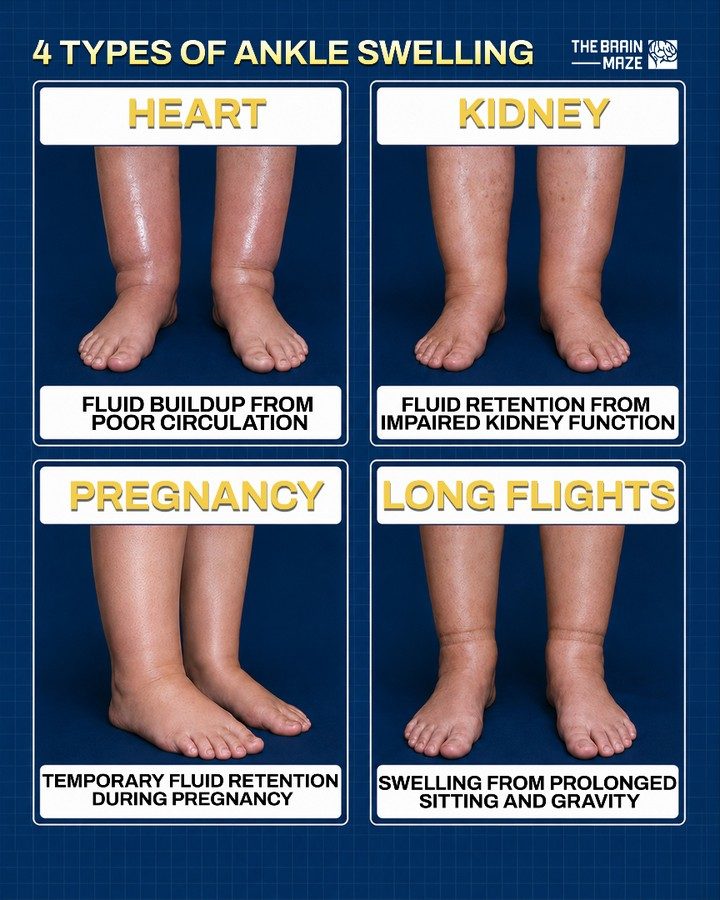
Ankle Swelling: Causes, Types, and When to Seek Help
Ankle swelling, medically known as edema, occurs when excess fluid accumulates in the tissues of the lower legs and feet. This condition can have various causes, ranging from minor issues to serious medical conditions. Understanding the different types of ankle swelling and their potential causes can help you recognize when to seek medical attention.
Why This Matters
Ankle swelling is a common complaint, often dismissed as a minor inconvenience. However, it can be a sign of underlying health issues that require medical intervention. Knowing the causes and symptoms of different types of ankle swelling can help you decide whether to seek professional help. While mild swelling is usually temporary, severe, persistent, or one-sided swelling can indicate more serious conditions.
Types of Ankle Swelling and Their Causes
Heart-Related Ankle Swelling
One of the primary causes of ankle swelling is related to heart conditions that affect circulation. When the heart struggles to pump blood efficiently, fluid can build up in the lower extremities. This type of swelling is often seen in individuals with heart failure or other cardiovascular issues. The fluid buildup is a result of poor circulation, leading to a backup of fluid in the legs and feet.
Kidney-Related Ankle Swelling
Kidney problems can also lead to ankle swelling. The kidneys play a crucial role in regulating fluid balance in the body. When kidney function is impaired, the body may retain excess fluid, leading to swelling in the ankles and feet. This condition, known as fluid retention, is a common symptom of kidney disease and can be a sign of more serious issues.
Pregnancy-Related Ankle Swelling
Pregnancy is another common cause of ankle swelling. During pregnancy, the body undergoes significant changes, including an increase in blood volume and pressure. These changes can lead to temporary fluid retention, resulting in swollen ankles and feet. While this type of swelling is usually harmless, it is essential to monitor it, especially if accompanied by other symptoms such as sudden weight gain or severe headaches.
Swelling from Prolonged Sitting and Gravity
Long periods of sitting, especially during travel, can also cause ankle swelling. Gravity pulls fluid down to the lower extremities when you sit for extended periods, leading to fluid buildup in the ankles and feet. This type of swelling is typically temporary and can be alleviated by moving around and elevating your legs.
Practical Tips for Managing Ankle Swelling
While ankle swelling can be a sign of a more serious condition, there are several practical steps you can take to manage mild swelling:
Elevate Your Legs
Elevating your legs above the level of your heart can help reduce swelling by promoting better circulation. Lie down and prop your legs up on a pillow or chair to encourage fluid to flow back towards your heart.
Stay Hydrated
Drinking plenty of water can help flush out excess fluids and reduce swelling. However, it is essential to consult a healthcare professional if you are experiencing severe swelling, as drinking too much water may not be advisable in some cases.
Wear Compression Socks
Compression socks can help improve circulation and reduce swelling in the ankles and feet. These socks are designed to apply gentle pressure to the legs, promoting better blood flow and reducing fluid buildup.
Exercise Regularly
Regular physical activity can help improve overall circulation and reduce the risk of fluid retention. Low-impact exercises such as walking, swimming, or cycling are effective in promoting better circulation and reducing swelling.
Avoid Prolonged Sitting
If you have a sedentary lifestyle, try to take regular breaks to move around. Short walks or stretching exercises can help prevent fluid buildup in the lower extremities.
Important Takeaways
Ankle swelling can have various causes, from minor issues like prolonged sitting to more serious conditions such as heart or kidney problems. Recognizing the different types of swelling and their potential causes can help you decide when to seek medical attention. While mild swelling is often temporary, persistent, severe, or one-sided swelling should be evaluated by a healthcare professional. Taking proactive steps such as elevating your legs, wearing compression socks, and staying hydrated can help manage mild swelling and improve overall circulation. Regular exercise and avoiding prolonged sitting can also reduce the risk of fluid retention and swelling. If you experience persistent or severe swelling, consult a healthcare professional to rule out any underlying medical conditions.
Conclusion
Ankle swelling is a common condition that can have various causes. Understanding the different types of swelling and their potential causes can help you manage the condition effectively and seek medical attention when necessary. By taking proactive steps to improve circulation and reduce fluid retention, you can alleviate mild swelling and maintain overall health. If you experience persistent or severe swelling, it is essential to consult a healthcare professional for a proper evaluation and treatment plan.
Watch the Reel
Questions readers ask
What are the most common causes of ankle swelling?
Ankle swelling can be caused by a variety of factors, including long periods of sitting or standing, pregnancy, and long flights, which can lead to fluid retention. More serious underlying conditions, such as heart, kidney, or circulation problems, can also result in ankle swelling. Each type of swelling may have different causes and require different treatments.
How does heart failure contribute to ankle swelling?
Heart failure can cause ankle swelling because the heart is unable to pump blood effectively, leading to fluid buildup in the lower extremities. This type of swelling is often accompanied by shortness of breath and fatigue, and requires immediate medical attention. If you experience sudden or severe ankle swelling, consult a healthcare professional promptly.
Why do my ankles swell during long flights or after sitting for extended periods?
Prolonged sitting or standing, such as during long flights, can lead to fluid accumulation in the lower legs and feet. This is often due to reduced blood flow and increased pressure in the legs. To alleviate this, try to move around periodically, elevate your legs when possible, and stay hydrated.
Can kidney problems cause ankle swelling?
Yes, kidney problems can cause ankle swelling. When the kidneys are not functioning properly, fluid retention can occur, leading to swelling in the ankles, legs, hands, and even the face. If you experience persistent swelling along with other symptoms like frequent urination, fatigue, or changes in urine color, consult a healthcare professional.
When should I seek medical help for swollen ankles during pregnancy?
While some ankle swelling is normal during pregnancy, sudden, severe, or asymmetrical swelling should be evaluated by a healthcare provider. These symptoms can indicate preeclampsia, a serious condition that requires immediate medical attention. If you notice sudden weight gain, headache, or vision changes along with swelling, seek help right away.
What are the different types of ankle swelling?
There are several types of ankle swelling, each with its own causes. Pitting edema, where the skin retains an indentation after pressure is applied, is common in conditions like heart failure and kidney problems. Non-pitting edema, where the skin does not retain an indentation, may occur due to lymphatic issues or venous insufficiency.
How can I differentiate between temporary and serious ankle swelling?
Temporary ankle swelling typically resolves with rest, elevation, and hydration. Serious swelling is often accompanied by other symptoms such as chest pain, shortness of breath, or severe pain. If swelling is persistent, worsens over time, or is only in one ankle, it is important to consult a healthcare professional to rule out any underlying conditions.
Related deep dives
Similar reads based on topic and creator.

Recent articles
Fresh deep dives from the latest Reels we unpacked.




Comments
Be the first to comment.