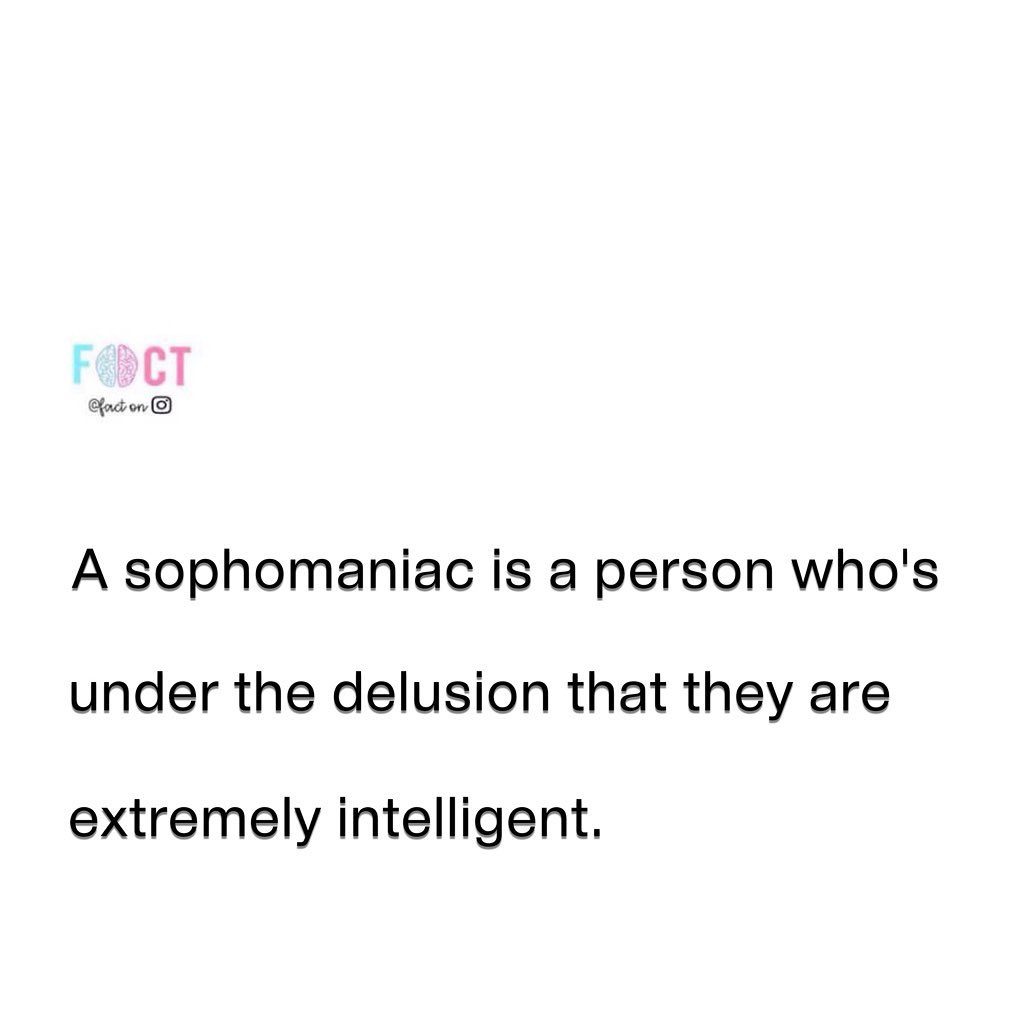
Definition of Sophomaniac
Sophomaniac is a term that might not be familiar to everyone, but it is a psychological concept that refers to someone who believes they are exceptionally intelligent, often to the point of delusion. This belief can significantly affect their behaviors and interactions with others.
Context / Why this matters
Understanding the concept of a sophomaniac can be beneficial for identifying certain personality traits and behaviors in both personal and professional settings. Understanding this concept underscores the importance of self-awareness and the potential challenges that can arise from misperceptions of one's abilities.
Main discussion
Defining sophomania
Sophomania is derived from the Greek words "sophos," meaning "wise," and "mania," which refers to an intense enthusiasm or obsession. Therefore, a sophomaniac is someone who is excessively confident in their intellectual prowess. This condition is often rooted in a lack of self-awareness and a tendency to overestimate one's abilities.
Characteristics of a sophomaniac
People who exhibit sophomaniac traits have several common characteristics:
- Overconfidence: Sophomaniacs often overestimate their abilities and knowledge, leading to a false sense of security in their decisions and actions.
- Impulsiveness: They may act impulsively, believing their quick judgments are always correct.
- Lack of self-awareness: This trait can make it difficult for them to recognize their limitations and areas for improvement.
- Difficulty accepting criticism: Sophomaniacs may struggle to accept feedback or criticism, as they firmly believe they are always right.
The impact of sophomania on relationships
Sophomania can strain relationships, both in personal and professional environments. Here are a few ways it can affect interactions:
- Difficulty in teamwork: In a team setting, a sophomaniac may dominate discussions, dismissing others' input and creating a toxic environment.
- Misunderstandings and conflicts: Their tendency to dismiss criticism and believe they are always right can lead to misunderstandings and conflicts with friends, family, and colleagues.
- Lack of empathy and understanding: Sophomaniacs may struggle to empathize with others, as they are overly focused on their own perceived superiority.
In professional settings
In the workplace, dealing with a sophomaniac can be particularly challenging. Team dynamics can be disrupted, leading to decreased productivity and a negative atmosphere. However, recognizing and understanding these behaviors can help mitigate some of the issues:
- Encourage self-reflection: Foster an environment that encourages self-reflection and open-mindedness. This can help individuals become more aware of their limitations and more receptive to feedback.
- Valuing diverse input: Ensure that all team members feel valued and that their input is considered. This can help balance out the dominance of a sophomaniac in group settings.
- Providing constructive feedback: Offer constructive feedback in a supportive manner. This approach can help sophomaniacs become more self-aware and open to learning.
Practical tips
For identifying a sophomaniac
Identifying a sophomaniac involves recognizing certain behaviors and characteristics. Here are some tips:
- Listen to their language: Pay attention to the way they speak about their abilities and knowledge. Do they frequently use terms like "I always..." or "I know exactly..."?
- Observe their reactions to feedback: Notice how they react to constructive criticism. Do they dismiss it or become defensive?
- Evaluate their decision-making process: Assess whether they consider others' input or make decisions impulsively, believing they are always right.
- Consider their self-awareness: Reflect on whether they show any signs of self-awareness and willingness to admit their mistakes.
For dealing with a sophomaniac
Dealing with a sophomaniac can be challenging, but there are strategies to manage interactions effectively:
- Encourage a growth mindset: Foster an environment that values continuous learning and improvement. This can help sophomaniacs become more open to feedback and self-reflection.
- Promote empathy and understanding: Encourage empathy and understanding in team settings. This can help mitigate the negative impact of a sophomaniac's behavior on group dynamics.
- Set clear boundaries: Establish clear boundaries and expectations for behavior. This can help create a more balanced and productive environment.
- Provide constructive feedback: Deliver feedback in a supportive and constructive manner. This can help sophomaniacs become more receptive to criticism and open to learning.
Important takeaways
Sophomania is a complex psychological concept that can significantly impact interpersonal and professional relationships. Recognizing the traits and behaviors associated with this condition can help individuals and organizations address the challenges it presents. Encouraging self-awareness, empathy, and a growth mindset can create a more balanced and productive environment, mitigating the negative effects of sophomaniac tendencies.
Conclusion
Understanding the concept of a sophomaniac is essential for navigating various social and professional settings. By recognizing the traits and behaviors associated with this condition, individuals can foster more supportive and collaborative environments. Encouraging self-awareness, empathy, and continuous learning can help mitigate the challenges posed by sophomania, leading to more harmonious and productive interactions.
Watch the Reel
Questions readers ask
What does the term 'sophomaniac' mean?
The term 'sophomaniac' refers to an individual who has an inflated belief in their own intelligence, often to the point where this belief is detached from reality. This delusion can significantly influence their behavior and interactions with others.
What are some common traits of a sophomaniac?
Sophomaniacs typically exhibit traits such as extreme overconfidence, a lack of self-awareness, and a tendency to belittle or dismiss the opinions and ideas of others. They often dominate conversations and may show impatience or disdain for those who challenge their perceived intelligence.
Is there a difference between being intelligent and being a sophomaniac?
Yes, there is a significant difference. While intelligence involves genuine cognitive abilities, being a sophomaniac involves a delusional belief in one's own intelligence that is not supported by actual abilities or accomplishments. This delusion can lead to behaviors that are detrimental to personal and professional relationships.
How can recognizing a sophomaniac be beneficial in personal interactions?
Recognizing a sophomaniac can help in managing expectations and setting boundaries. It allows for understanding that their overconfidence may lead to poor decision-making and potential conflicts. By being aware of these traits, you can navigate interactions more effectively and minimize negative impacts.
What are some ways to handle interactions with a sophomaniac in a professional setting?
It's important to approach interactions with a sophomaniac in a professional setting with patience and objectivity. Focusing on facts and data rather than personal opinions can help steer conversations away from their delusions. Encouraging teamwork and collaboration can also mitigate the impact of their overconfidence and lack of self-awareness.
Can a sophomaniac also have genuine intelligence?
Yes, a sophomaniac can possess genuine intelligence, but their delusional belief in their own exceptional intelligence often overshadows their actual abilities. This means that while they may have certain skills or knowledge, their overconfidence and lack of self-awareness can hinder their ability to use these effectively.
How does a sophomaniac's behavior impact their friends and family?
A sophomaniac's behavior can strain relationships with friends and family due to their tendency to dominate conversations, dismiss others' opinions, and show a lack of empathy. This can lead to feelings of frustration, resentment, and isolation among those close to them, potentially causing long-term damage to personal relationships.
Recent articles
Fresh deep dives from the latest Reels we unpacked.




Comments
Be the first to comment.