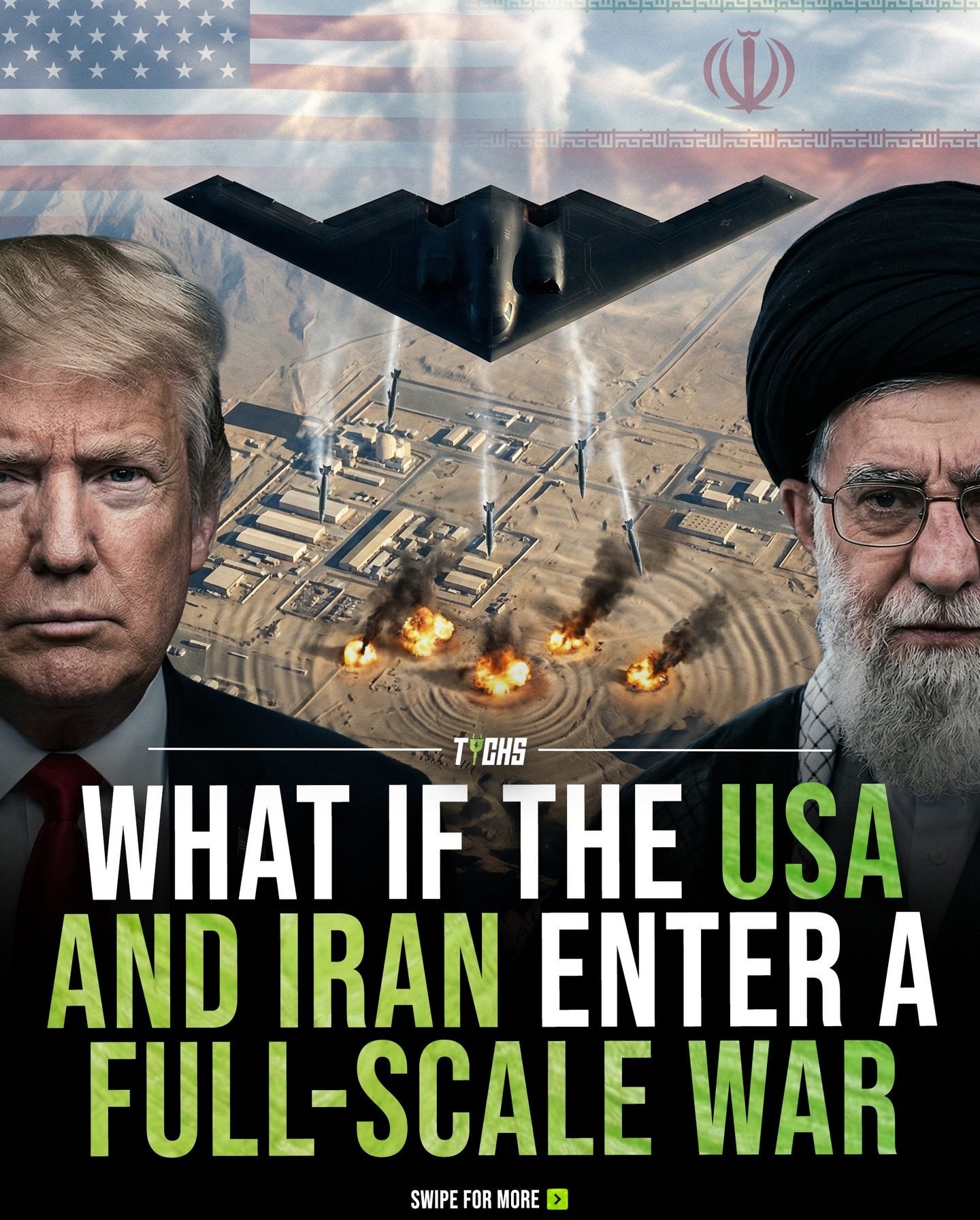
Hypothetical US-Iran War Scenario
War scenarios between the United States and Iran are not just theoretical exercises. They require attention to detail about how such a conflict might unfold, given the geopolitical landscape and the military and diplomatic tools at hand. Analyzing a hypothetical war scenario involves understanding the initial stages, strategic chokepoints, and the broader implications on global stability.
Context / Why this matters
The potential for conflict between the United States and Iran is not purely speculative. Both countries have a history of tense relations, and any escalation could have far-reaching consequences. The initial phases of such a conflict would likely involve rapid escalation. Precision strikes on key sites, followed by missile retaliation, would mark the early days. The role of proxy groups like the Islamic Revolutionary Guard Corps (IRGC) and Hezbollah would be crucial in expanding the conflict across borders. Strategic chokepoints, particularly the Strait of Hormuz, would become flashpoints, impacting global oil supply routes and potentially disrupting the global economy.
Initial Escalation and Strategic Chokepoints
Precision Strikes and Missile Retaliation
The opening days of a US-Iran conflict would likely be marked by precision strikes on key targets, such as military installations, nuclear facilities, and strategic sites. Iran, in response, would likely employ a strategy of missile retaliation. The IRGC, in particular, would play a significant role in this phase, targeting US regional bases and assets. These early strikes would set the stage for a more prolonged and intense conflict.
The Strait of Hormuz
The Strait of Hormuz is a crucial strategic chokepoint. Any disruption here would have significant implications for global oil supply routes. Mines, supply threats, and naval confrontations could make the Strait of Hormuz a major battleground. The disruption of oil supply through this narrow passage would send shockwaves through the global economy, affecting oil prices, supply chains, and geopolitical alliances.
Proxy Groups and Regional Expansion
Hezbollah and other regional proxy groups would play a significant role in expanding the conflict. Their actions could draw in other regional players, turning a bilateral conflict into a broader regional war. This expansion would not only complicate military operations but also strain diplomatic efforts aimed at resolving the conflict.
Naval Warfare and Cyber Threats
Naval Battles in the Gulf
As the conflict persists, naval warfare in the Gulf would intensify. US aircraft carriers would face Iran’s swarm tactics, involving missiles, submarines, and drones. The tight waters of the Gulf would make these engagements particularly challenging, requiring sophisticated strategies and advanced technologies from both sides. The clash of missiles, submarines, and drones would test the limits of naval warfare tactics.
Cyber Warfare
Cyber warfare would be an integral part of the conflict. Both nations possess advanced cyber capabilities, and infrastructure, including power grids, communication networks, and financial systems, would be prime targets. Cyber attacks could cripple critical infrastructure, leading to widespread disruptions and further escalating tensions.
Global Powers and Broader Implications
Involvement of Russia and China
As the conflict intensifies, global powers like Russia and China could increase their involvement. Their interests in the region and the broader geopolitical landscape could lead to interventions, either directly or through proxy groups. The involvement of these global powers could transform a regional conflict into a wider global crisis, with far-reaching implications for international security and stability.
Global Economic Impact
The economic repercussions of a US-Iran conflict would be substantial. Disruptions in oil supply, potential cyber attacks on financial systems, and the broader economic instability would impact markets worldwide. The ripple effects would be felt in various sectors, from energy to technology, and would require coordinated global responses to mitigate the damage.
Practical Tips
For those interested in understanding and preparing for such scenarios, several practical steps can be taken:
Stay Informed
Staying informed about geopolitical developments and military strategies is crucial. Reliable sources of information, including expert analyses and real-time updates, can provide valuable insights into potential conflict trajectories. This information can help in making informed decisions and preparing for potential disruptions.
Understand the Geopolitical Landscape
Understanding the geopolitical landscape and the roles of various actors, including proxy groups and global powers, is essential. This knowledge can help in predicting potential escalations and the broader implications of the conflict.
Prepare for Disruptions
Individuals and organizations should prepare for potential disruptions in supply chains, financial systems, and communication networks. Developing contingency plans and having backup systems in place can mitigate the impact of disruptions and ensure continuity of operations.
Engage in Diplomatic Efforts
Engaging in diplomatic efforts and supporting international initiatives aimed at resolving conflicts can help prevent escalations. Diplomatic dialogue and cooperation are key to maintaining peace and stability in the region and globally.
Important takeaways
A hypothetical US-Iran war scenario highlights the complex and dynamic nature of modern conflicts. The initial phases, characterized by precision strikes and missile retaliation, would set the stage for a protracted and intense conflict. Strategic chokepoints, such as the Strait of Hormuz, would become critical battlegrounds, impacting global oil supply routes and the economy. Naval warfare and cyber threats would further complicate the conflict, requiring advanced tactics and strategies. The involvement of global powers and proxy groups could transform a regional conflict into a global crisis, with far-reaching implications for security and stability.
Conclusion
Analyzing a hypothetical US-Iran war scenario provides valuable insights into potential conflict dynamics and the broader implications for global security. Understanding the initial stages, strategic chokepoints, and the roles of various actors is crucial in preparing for and mitigating the impact of such a conflict. By staying informed, understanding the geopolitical landscape, preparing for disruptions, and engaging in diplomatic efforts, individuals and organizations can contribute to maintaining peace and stability in an increasingly interconnected world.
Watch the Reel
Questions readers ask
What are the key strategic chokepoints in a US-Iran conflict?
The Strait of Hormuz is the most critical chokepoint. It is a narrow passageway for oil tankers, and any disruption could drastically reduce global oil supply, leading to significant economic consequences. Other potential chokepoints include the Bab el-Mandeb and the Suez Canal, which are also vital for global maritime trade.
What role do proxy groups play in a hypothetical US-Iran conflict?
Proxy groups, such as Hezbollah, can significantly complicate the conflict. They may engage in attacks, creating a wider regional war. The US and Iran could support these groups, leading to a broader conflict, potentially targeting civilian areas and prolonging the war.
What is the potential impact of missile retaliation in a US-Iran war?
Missile retaliation by Iran could target US bases and military installations, both within the region and potentially even in the US homeland. This would escalate the conflict, provoke more significant retaliation by the US, and potentially draw in other regional actors, leading to an all-out war.
How might the use of drones influence a US-Iran conflict?
Drones could be used for both surveillance and offensive strikes. Iran has invested in drone technology, and the US could use its advanced drone capabilities to target Iranian military sites. This could lead to rapid escalation, as both sides could use drones for precision strikes, potentially causing significant casualties and damage.
What is the likely impact of a US-Iran war on global oil supply?
A US-Iran war could disrupt oil supply routes, especially through the Strait of Hormuz. This would cause a significant spike in oil prices, leading to economic instability in countries dependent on oil imports. Additionally, countries may seek alternative suppliers, altering global trade dynamics and alliances.
How might the US military strategy in Iran involve naval warfare?
The US could use its naval forces to control the Persian Gulf and prevent Iran from closing the Strait of Hormuz. This would involve naval battles and potential minesweeping operations. Iran's naval strategy could focus on asymmetric warfare, using small boats and mines to target US ships, further complicating the conflict.
What broader implications could a US-Iran war have on regional stability?
A US-Iran war could lead to significant regional instability, drawing in other regional powers such as Saudi Arabia, Israel, and Turkey. This could result in a broader Middle East conflict, with potential spillover effects in neighboring regions and increased humanitarian crises. The region could see an increase in terrorist activity and refugee flows.
Recent articles
Fresh deep dives from the latest Reels we unpacked.




Comments
Be the first to comment.