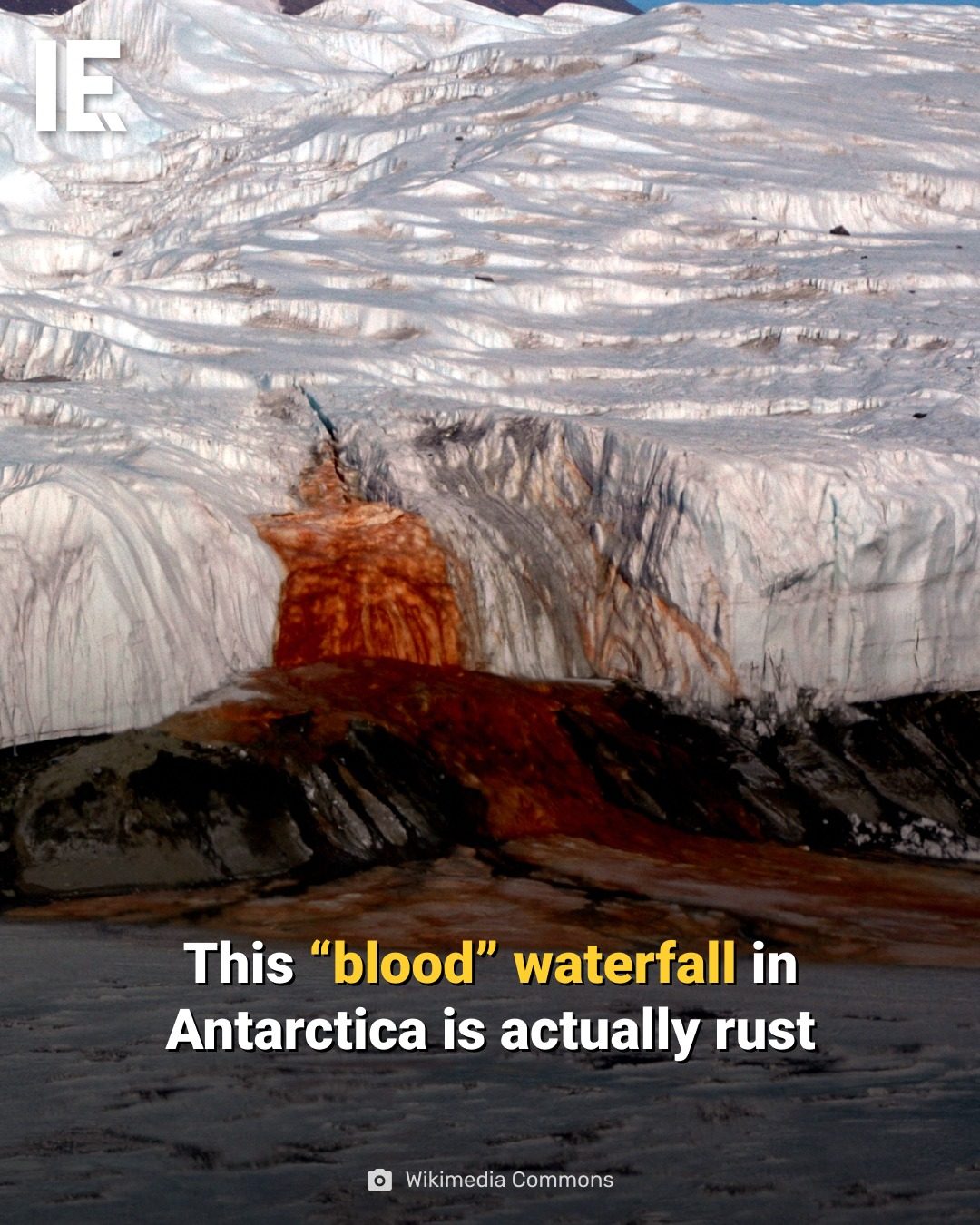
Antarctica's Blood Falls
Nestled within the icy expanse of Antarctica, there is a peculiar geological feature known as Blood Falls. This striking red waterfall appears as though the glacier itself is pouring out blood. The dramatic sight is a result of a unique natural process involving iron-rich water trapped beneath the ice.
Why Antarctica’s Blood Falls Matters
Aside from its striking appearance, Blood Falls has become a point of interest for scientists worldwide. The phenomenon is not only a testament to the unique geological processes at work in Antarctica, but it also provides insights into the possibility of life in extreme environments, both on Earth and beyond.
The Science Behind Blood Falls
The Role of Iron
The deep red color of Blood Falls is not due to blood, but to iron. The water that flows from the glacier is rich in iron and salt. This water has been trapped beneath the ice for millions of years. When this subglacial brine comes into contact with oxygen, the iron in the water oxidizes, forming rust. This rust gives the waterfall its distinctive, blood-like appearance.
The Oxidation Process
Oxidation is a chemical reaction that occurs when a substance is exposed to oxygen. In the case of Blood Falls, the iron-rich water interacts with the atmosphere, causing the iron to oxidize. This process turns the water a dark red color, much like the rust that forms on metal when left exposed. The visual effect of this chemical process is striking, creating a vivid contrast against the stark white ice of the glacier.
Subglacial Brine and Microbial Life
One of the most fascinating aspects of Blood Falls is the presence of microbial life within the subglacial brine. This water, trapped beneath the ice for millions of years, supports microbial organisms that thrive in the absence of sunlight and oxygen. The discovery of these hardy microorganisms has significant implications for our understanding of life in extreme environments, not just on Earth, but also in other parts of the solar system, such as the icy moons of Jupiter and Saturn.
Exploring Extreme Environments
Life in Extreme Conditions
The subglacial brine of Blood Falls is an analogue for the extreme environments found in space. The microbes living in this brine do not rely on sunlight or oxygen, making them a model for potential life on other planets and moons. This unique ecosystem offers clues about how life might adapt and survive in harsh conditions, far from the familiar comforts of Earth.
Implications for Space Exploration
The study of Blood Falls and its microbial inhabitants has important implications for space exploration. By understanding how life can exist in such extreme conditions, scientists can better predict where and how to search for life beyond Earth. The icy moons of Jupiter and Saturn, for example, are believed to have subsurface oceans that could potentially harbor life similar to that found in the subglacial brine of Blood Falls.
Practical Tips for Exploring Blood Falls
How to Get to Antarctica
Reaching Antarctica requires careful planning and preparation. Most visitors travel by expedition cruise, which departs from ports in South America, such as Ushuaia in Argentina. These cruises typically take two to three weeks and include stops at various points of interest in the Antarctic Peninsula.
What to Expect in Antarctica
Visiting Antarctica is an adventure that involves navigating harsh and unpredictable weather conditions. Travelers should be prepared for extreme cold, high winds, and potential sea sickness. Expedition cruises usually provide all necessary gear and safety equipment, but it's essential to be in good physical condition and follow all safety guidelines.
Important Takeaways
- Blood Falls in Antarctica is a stunning natural phenomenon caused by the oxidation of iron-rich water.
- The water that forms the falls is trapped beneath the ice for millions of years, creating a unique ecosystem.
- The presence of microbial life in the subglacial brine offers insights into the possibility of life in extreme environments.
- Studying Blood Falls has significant implications for space exploration and the search for extraterrestrial life.
Conclusion
Antarctica's Blood Falls is a remarkable natural wonder that captures the imagination with its striking red color. The phenomenon provides valuable insights into the geological processes and microbial life that thrive in extreme conditions. Understanding the mechanisms behind Blood Falls can broaden our understanding of life on Earth and inform the search for life in the far reaches of space.
Watch the Reel
Questions readers ask
What causes the red color of Blood Falls in Antarctica?
The red color of Blood Falls is due to a natural process called iron oxidation. When iron-rich brine trapped beneath the ice meets oxygen, it oxidizes, turning the waterfall a vivid red. This is similar to the process that creates rust.
How does iron-rich brine get trapped beneath the ice in Antarctica?
The iron-rich brine is trapped beneath the ice as a result of unique geologial processes. The brine is a remnant of ancient seawater that has since become isolated from the ocean.
What makes Blood Falls a significant geological feature?
Blood Falls is significant because it provides a rare glimpse into how life can exist in extreme environments. The presence of iron-rich brine and the unique oxidation process makes it a unique natural process.
Can you see Blood Falls with the naked eye?
Yes, Blood Falls can be seen with the naked eye. It appears as a striking red waterfall flowing from the Taylor Glacier in Antarctica. The dramatic sight is often captured in images of the famous Antarctic waterfall.
What insights can Blood Falls provide about life beyond Earth?
The unique conditions surrounding Blood Falls, such as the iron-rich brine and the oxidation process, offer insights into the possibility of life in extreme environments. This could help scientists understand potential life beyond Earth in similarly harsh conditions.
Are there other waterfalls in Antarctica similar to Blood Falls?
Blood Falls is unique in its appearance and the process behind it. While there are other waterfalls in Antarctica, none exhibit the same vivid red color or the specific iron oxidation process as Blood Falls.
How does the oxygen and iron reaction occur in Blood Falls?
The oxygen and iron reaction in Blood Falls occurs when the iron-rich brine, which has been isolated beneath the ice, comes into contact with oxygen in the air. This reaction causes the iron to oxidize, turning the water a striking red color, similar to the rust found on metal objects.
Related deep dives
Similar reads based on topic and creator.



Recent articles
Fresh deep dives from the latest Reels we unpacked.




Comments
Be the first to comment.