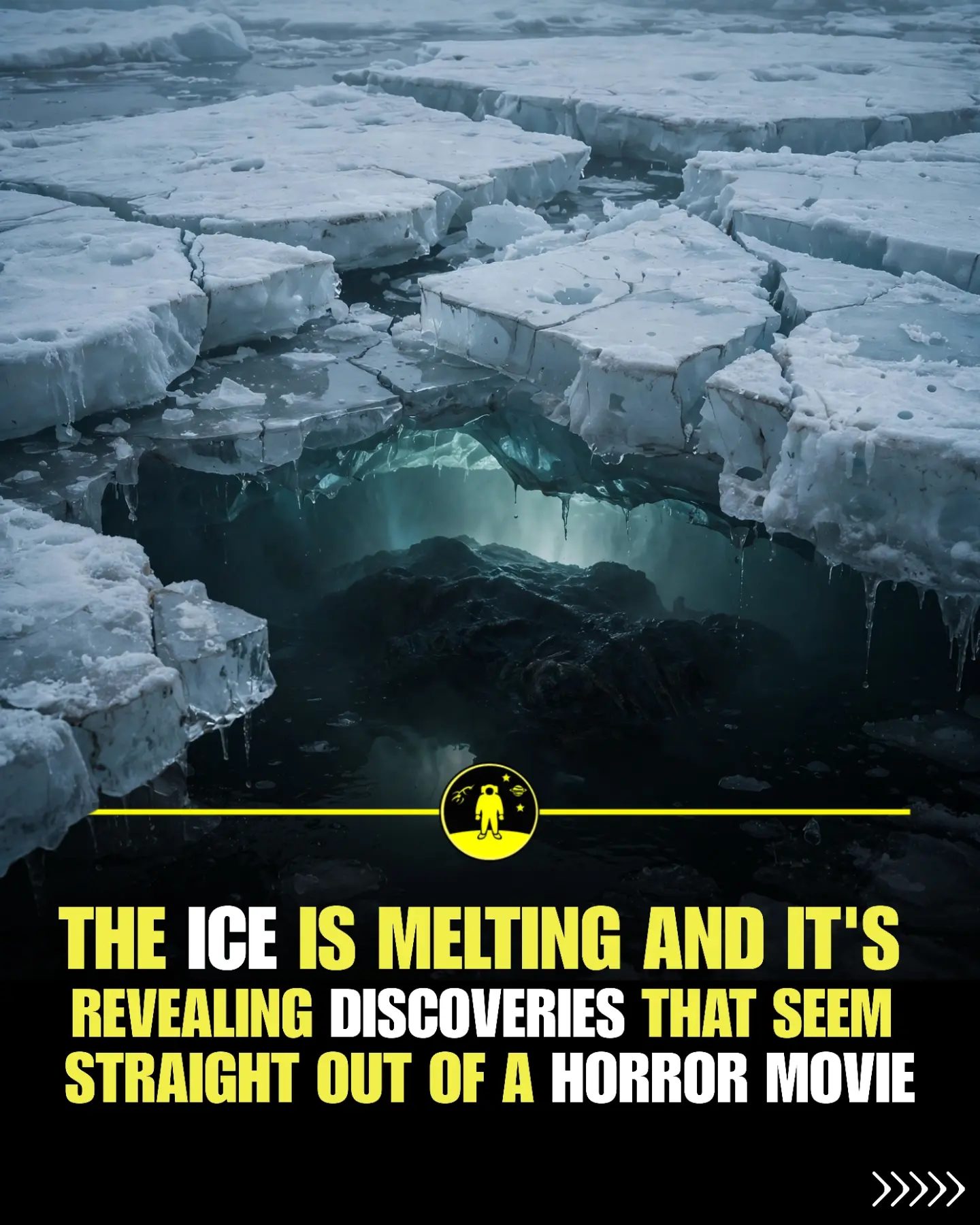
The World's Frozen Landscapes: A Treasure Trove of Ancient Secrets
As glaciers retreat and Arctic permafrost thaws, the world's frozen landscapes are revealing an extraordinary archive of Earth's past. These icy vaults hold ancient viruses, remarkably preserved Ice Age animals, and prehistoric forests, offering valuable insights into our planet's history.
Context / Why This Matters
The melting of ice and thawing of permafrost are not just environmental indicators; they are windows into the past. These frozen landscapes have preserved biological and geological records that scientists are now able to access and study. The discoveries range from ancient viruses to well-preserved animals and natural phenomena, each contributing to our understanding of Earth's history and the environmental changes that have shaped it.
Main Discussion
Ancient Viruses and Microbes
One of the most intriguing discoveries from the thawing permafrost is the revival of ancient viruses. Scientists have successfully revived a 48,000-year-old virus from Siberian permafrost. This virus, known as a giant virus, is capable of infecting single-celled amoebas but poses no threat to humans. The study of these ancient microbes provides insights into the evolution of viruses and their potential impact on ecosystems. Researchers are careful to handle these specimens under strict safety conditions to prevent any unintended consequences.
Blood Falls in Antarctica
Antarctica's Blood Falls is a striking phenomenon where a glacier continuously pours out a stream of blood-red water. The eerie red color is not due to any mysterious or supernatural causes, but rather a result of iron-rich ancient saltwater that oxidizes when exposed to oxygen. This natural process creates a rust-like effect, giving the water its distinctive hue. Blood Falls serves as a reminder of the unique and sometimes surprising natural processes that occur in the world's most remote and inhospitable regions.
Preserved Ice Age Animals
The thawing of permafrost has also revealed remarkably preserved Ice Age animals. A notable example is the discovery of a cave bear found in Siberian permafrost. This bear's soft tissues and internal organs are still intact after thousands of years, providing scientists with an unprecedented opportunity to study the biology and genetics of these ancient creatures. These findings help researchers reconstruct ancient climates and understand how life adapted to dramatic environmental changes.
Unusual Natural Phenomena
As the ice melts, it is also revealing unusual natural phenomena that offer insights into Earth's geological history. For example, the discovery of buried forests and ancient plant life provides clues about past climates and ecosystems. These findings help scientists better understand the environmental changes that have occurred over millennia and how they have shaped the planet.
Practical Tips
For those interested in learning more about these fascinating discoveries, there are several practical steps to take:
- Follow Scientific Research: Stay updated with the latest research publications and news articles from reputable scientific journals and organizations. This will provide firsthand knowledge of new discoveries and their implications.
- Join Online Communities: Engage with online communities and forums dedicated to science, geology, and archaeology. These platforms offer a wealth of information and opportunities to discuss with experts and enthusiasts.
- Visit Museums and Exhibitions: Many museums and science centers hold exhibitions featuring ancient artifacts and specimens. These exhibitions provide a tangible experience of the fascinating world of Earth's past.
- Attend Conferences and Workshops: Participate in conferences, workshops, and seminars focused on Earth sciences, paleontology, and archaeology. These events offer opportunities to learn from experts and network with other enthusiasts.
Important Takeaways
The discoveries from the world's frozen landscapes highlight the importance of preserving these environments for future research. As the climate continues to change, the insights gained from these discoveries will be crucial in understanding the past and predicting future environmental changes. Each expedition into the coldest regions of the Earth uncovers new evidence about extinct ecosystems, geological history, and the evolution of life.
Conclusion
The melting of ice and thawing of permafrost are more than just environmental changes; they are keys to unlocking the secrets of Earth's past. From ancient viruses to well-preserved animals and natural phenomena, these discoveries provide valuable insights into our planet's history and the environmental changes that have shaped it. As we continue to explore these frozen landscapes, we gain a deeper understanding of the world around us and the forces that have shaped it over millennia.
Watch the Reel
Questions readers ask
What kinds of ancient discoveries are being made as ice melts and permafrost thaws?
As ice melts and permafrost thaws, a variety of ancient discoveries are being made. These include remarkably preserved Ice Age animals, ancient viruses, and even prehistoric forests. Each of these findings offers unique insights into Earth's history and the environmental conditions of the past.
Why are ancient discoveries from melting permafrost important?
Ancient discoveries from melting permafrost are important because they provide direct evidence of past environmental conditions. By studying these findings, scientists can better understand the climate changes that have occurred over millennia, and how these changes have shaped our planet.
What are some of the most notable ancient discoveries in melting ice?
Some of the most notable ancient discoveries in melting ice include the remains of ancient viruses and exquisitely preserved Ice Age animals. These discoveries offer a rare opportunity to study organisms that have been frozen in time, providing invaluable information about the past.
How do scientists study ancient discoveries from melting ice and thawing permafrost?
Scientists use a variety of methods to study ancient discoveries from melting ice and thawing permafrost. They analyze the DNA of preserved animals, study the structure of ancient viruses, and examine the geological context of the findings to gain insights into past environments and climatic conditions.
What can ancient discoveries from the Ice Age tell us about climate change?
Ancient discoveries from the Ice Age can provide important context for understanding modern climate change. By comparing past and present environmental conditions, scientists can identify patterns and trends. This information helps predict future climate changes and their potential impacts on our planet.
What are some of the challenges in studying ancient discoveries from melting ice and thawing permafrost?
Some of the challenges in studying ancient discoveries from melting ice and thawing permafrost include the delicate nature of the preserved specimens, the remote and harsh environments where these discoveries are often made, and the need for specialized scientific techniques to analyze the findings.
What are some of the most significant locations for ancient discoveries in melting ice and thawing permafrost?
Some of the most significant locations for ancient discoveries in melting ice and thawing permafrost include the Arctic regions, Antarctica, and high-altitude glaciers. These areas have preserved a wealth of ancient remains, from well-preserved Ice Age animals to ancient viruses and prehistoric plants.
Related deep dives
Similar reads based on topic and creator.



Recent articles
Fresh deep dives from the latest Reels we unpacked.




Comments
Be the first to comment.