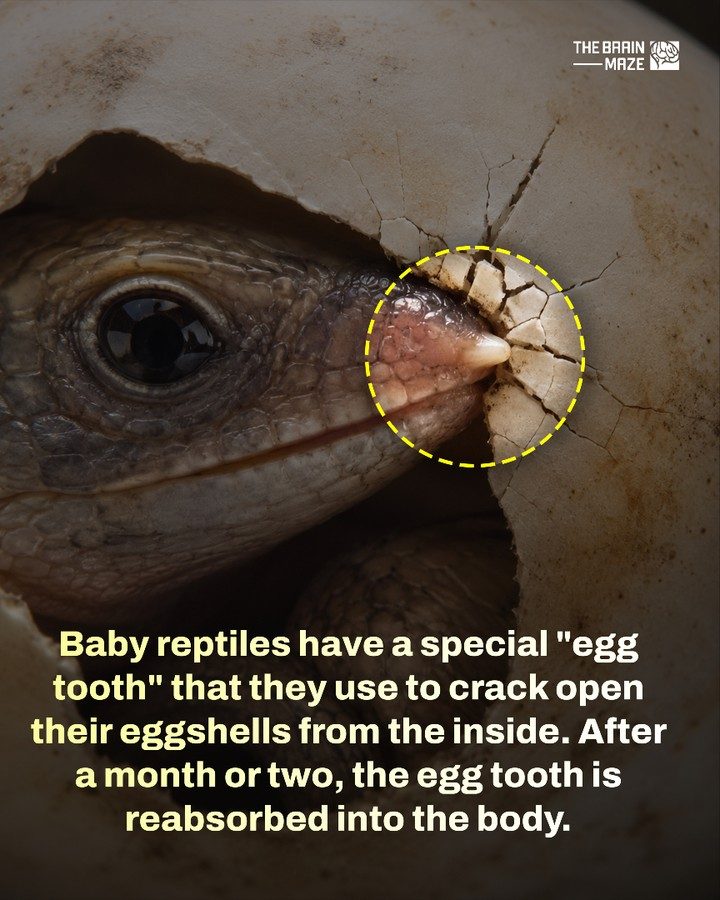
Baby Reptile Egg Tooth
Baby reptiles employ a fascinating adaptation known as an egg tooth to successfully hatch from their eggs. This tiny, sharp structure is a temporary feature located at the tip of the reptile's snout, specifically designed to help break through the eggshell. This adaptation is not a true tooth and is not used for any purpose other than hatching. Once the hatchling emerges, the egg tooth either falls off or is reabsorbed by the body, disappearing within a few weeks.
Why This Matters
Understanding the egg tooth is essential for appreciating the remarkable adaptations that reptiles possess. It highlights the unique ways in which nature equips animals with specialized tools to ensure their survival from the very beginning of their lives. This temporary structure underscores the delicate balance and ingenuity of natural selection, where specific adaptations serve precise, short-term functions.
Main Discussion
What is an Egg Tooth?
An egg tooth is a small, sharp protrusion found on the snout of baby reptiles. Unlike human teeth, this structure is not designed for chewing or defense; it exists solely to aid the hatchling in breaking free from its eggshell. The egg tooth is a one-time use tool, serving its purpose and disappearing shortly after the reptile has hatched.
How Does an Egg Tooth Work?
When a baby reptile is ready to hatch, it uses its egg tooth to create a small hole in the shell. This initial breach allows the hatchling to push its way out, slowly digging its way to freedom. The egg tooth is crucial for this process, as it provides a small, sharp edge that can efficiently crack the shell. After hatching, the egg tooth is no longer needed and is gradually reabsorbed by the body, ensuring the hatchling is not burdened by an unnecessary structure.
The Role of the Egg Tooth in Survival
The egg tooth is a testament to the intricate ways in which natural selection has equipped reptiles with tools for survival. This temporary structure ensures that the baby reptile can successfully hatch from its egg, giving it the best chance of survival in the wild. The egg tooth is a prime example of how evolution can produce highly specialized adaptations that serve a specific and critical function before disappearing.
Variability Among Reptiles
While the egg tooth is a common adaptation among many reptiles, it’s important to note that the specifics can vary. The structure may differ slightly in size, shape, and duration of use across different species. For example, some reptiles might retain the egg tooth for a slightly longer period, while others might absorb it more quickly. Despite these variations, the fundamental purpose remains the same: to assist the hatchling in breaking out of the egg.
Practical Tips
If you are a reptile enthusiast or a hobbyist, it's essential to recognize the significance of the egg tooth. Here are a few practical tips for handling and caring for reptile eggs:
Handling Reptile Eggs
When handling reptile eggs, avoid touching the eggshell too much to prevent damaging the delicate structure. Any disruption to the egg tooth could impinge on the hatchling's ability to break free.
Creating a Suitable Environment
Ensure the incubation environment is ideal for the eggs. Humidity, temperature, and cleanliness play crucial roles in the successful hatching of reptile eggs. Maintain the incubator at the recommended temperature and humidity levels to support the development of the egg tooth and the overall health of the hatchling.
Monitoring Hatching
Keep a close eye on the eggs as the hatching process begins. The hatchling will use the egg tooth to slowly create an opening in the shell. Be prepared to provide any necessary assistance, such as gently helping the hatchling out if it struggles, but be cautious not to interfere with the natural process.
Important Takeaways
The egg tooth is a remarkable adaptation that highlights the intricate design of nature. This temporary structure is crucial for the survival of many baby reptiles, serving a single, vital purpose before disappearing. Understanding the role of the egg tooth provides valuable insights into the mechanisms of evolution and the specialized adaptations that ensure the survival of species.
Conclusion
The egg tooth is a fascinating and essential adaptation for baby reptiles. This temporary structure plays a critical role in the hatching process, allowing the hatchling to break free from the eggshell and begin its life. By understanding the function and significance of the egg tooth, we gain a deeper appreciation for the complex and ingenious ways in which nature equips animals for survival.
Watch the Reel
Questions readers ask
What is an egg tooth in baby reptiles?
An egg tooth is a temporary, sharp structure found at the tip of a baby reptile's snout. It is used exclusively for breaking out of the eggshell during hatching. Unlike true teeth, it serves no other purpose and disappears soon after the reptile hatches.
How does an egg tooth help in the hatching process?
The egg tooth acts as a specialized tool that allows baby reptiles to crack open their eggshells. By using this sharp structure, the hatchlings can successfully emerge from their eggs, marking the beginning of their independent lives.
What happens to the egg tooth after a reptile hatches?
After the reptile has successfully hatched, the egg tooth is no longer needed. It either falls off naturally or is reabsorbed by the reptile's body, usually disappearing within a few weeks. This makes it a truly temporary structure.
Are egg teeth found in all reptiles?
Yes, most reptiles, including snakes, lizards, and turtles, have egg teeth. This adaptation showcases the diverse and effective strategies that reptiles have evolved to ensure successful hatching and survival.
Can the egg tooth be used for anything other than hatching?
No, the egg tooth is strictly a hatching tool. It is not used for feeding, defense, or any other purpose. Its sole function is to help the baby reptile break free from its eggshell.
How long does it take for the egg tooth to disappear after hatching?
The egg tooth typically falls off or is reabsorbed by the reptile's body within a few weeks after hatching. This quick disappearance reflects its temporary nature and specific function in the hatching process.
What can the egg tooth tell us about reptile adaptations?
The egg tooth is a clear example of the unique and effective adaptations that reptiles have developed. It showcases how animals are equipped with specialized tools to ensure their survival from the earliest stages of life.
Related deep dives
Similar reads based on topic and creator.




Recent articles
Fresh deep dives from the latest Reels we unpacked.




Comments
Be the first to comment.