College and Career Advice
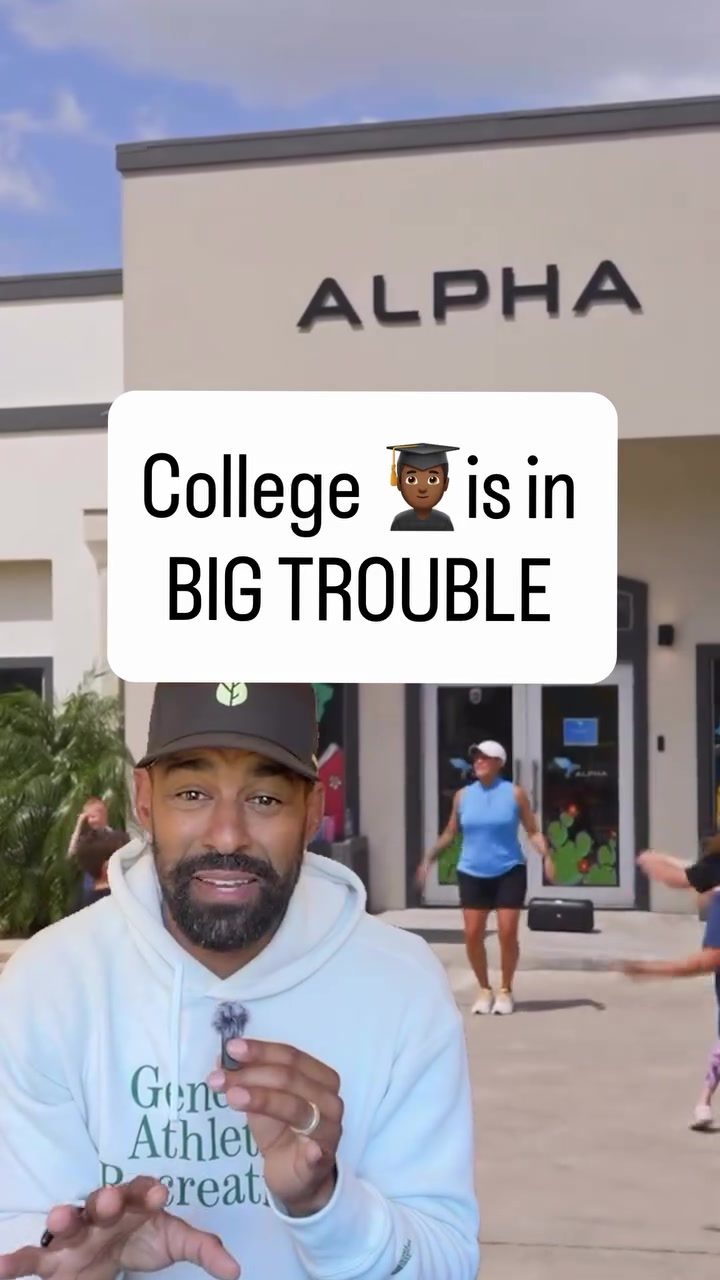
College is in trouble. The traditional college experience, once a bundled package of brand, campus life, networking, and a degree, is no longer the surefire path to success it once was. The labor market has changed, and with it, the expectations of what a college education should deliver. The future of college is increasingly about outcomes, not just the brand on a diploma.
College Today: Unbundling the Bundle
For decades, college was marketed as a single product. You bought into the brand, the campus experience, the network, and the degree, all in one package. The assumption was that this bundle would prepare graduates for the job market. However, this era is over. Employers are now unbundling the degree, focusing more on specific skills and outcomes.
The shift is evident in the hiring practices of many employers. Today, 70% of employers use skills-based hiring. This means they are looking for candidates who can demonstrate specific skills like leadership, creativity, judgment, and communication, rather than relying solely on the prestige of the institution.
The New ROI of College
The new return on investment (ROI) for college education is about more than just the degree. It's about the entire employment path. Consider two scenarios: a nursing degree from a state school with clinical placements versus a prestigious campus with a vague major and no job pipeline. The state school graduate with hands-on experience may have a better chance in the job market. Similarly, an accounting major with internships could outperform a graduate with a brand name degree but no proof of work.
In this new landscape, the employment path includes factors like cost, major, placement, debt, internships, and the first job. These elements are crucial for determining the value of a college education. Students who understand which parts of the college experience are most valuable will have an edge in the job market.
The Role of Skills in the Job Market
Skills-based hiring is becoming the norm, and entry-level jobs are increasingly requiring skills that were once reserved for senior employees. This shift is driven by the integration of AI and other technologies into the workplace. Jobs that are AI-exposed are seven times more likely to require skills like leadership, creativity, judgment, and communication.
Innovative Models in Education
Innovative educational models are emerging to meet these new demands. Alpha School in New York, for example, charges $150,000 a year, but if a student's business doesn't hit $1 million in revenue by graduation, they refund every single dollar. This model is a bet on outcomes, reflecting the future of education.
Practical Tips for Navigating the New College Landscape
-
Choose the Right Major and School: Select a major and school that aligns with your career goals and offers real-world experience. For example, a nursing degree with clinical placements or an accounting major with internships can be more valuable than a generic degree from a prestigious school.
-
Focus on Skills: Develop skills that are in high demand, such as leadership, creativity, judgment, and communication. These skills are essential for success in the modern job market.
-
Prove Your Worth: Showcase your abilities and experiences through projects, internships, and other forms of proof of work. Employers are looking for evidence of your skills and potential.
-
Consider Alternative Models: Explore innovative educational models that focus on outcomes. These models can offer a different path to success, especially if they align with your career goals.
-
Stay Informed: Keep up with the latest trends in the job market and educational models. The landscape is changing rapidly, and staying informed can help you make better decisions.
Important Takeaways
- The Traditional Bundle is Broken: The traditional college experience is no longer the guaranteed path to success. Employers are looking for specific skills and outcomes.
- Skills Matter: Leadership, creativity, judgment, and communication are in high demand. Focus on developing these skills to stand out in the job market.
- Emphasize Outcomes: The new ROI of college is about the entire employment path, including cost, major, placement, debt, internships, and the first job. Understand which parts of the college experience are most valuable.
- Innovative Models Are Emerging: Educational models that focus on outcomes, like Alpha School, are becoming more prevalent. Consider these models as alternatives to traditional education.
Conclusion
The future of college is about making smart, business-driven decisions. It's about choosing the right school, the right major, and the right path to the best possible job or career. By understanding the new dynamics of the job market and focusing on skills and outcomes, students can navigate this changing landscape and achieve their career goals.
Watch the Reel
Questions readers ask
What does it mean to 'unbundle' college?
Unbundling college refers to separating the traditional components of a college experience—such as the brand, campus life, networking, and the degree itself—into distinct parts. This shift allows individuals to pursue specific skills and outcomes tailored to their career goals, rather than relying on a comprehensive, all-in-one college package.
How has the job market's focus shifted in recent years?
The job market has increasingly prioritized specific skills and tangible outcomes over the prestige of a college's name. Employers are now more interested in what a candidate can do and the skills they possess, rather than the institution they attended. This shift reflects a growing emphasis on practical abilities and measurable results.
What alternatives to traditional college can help build job skills?
Alternatives to traditional college that can help develop job skills include online courses, coding bootcamps, vocational training, apprenticeships, and certificate programs. These options often provide targeted, relevant training that can be completed more quickly and at a lower cost than a traditional four-year degree.
Can I achieve career success without a college degree?
Yes, it is possible to achieve career success without a college degree. Many industries now value hands-on experience and specific skills over a formal degree. By focusing on developing in-demand skills and building a strong portfolio or track record of accomplishments, individuals can position themselves for success in the job market.
What skills are most valuable in today's job market?
Today's job market places a high value on skills such as data analysis, digital literacy, project management, communication, and problem-solving. These skills are often developed through practical experience and targeted training, rather than through traditional academic coursework. Employers are looking for candidates who can demonstrate these abilities and apply them to real-world situations.
Related deep dives
Similar reads based on topic and creator.
Recent articles
Fresh deep dives from the latest Reels we unpacked.



Comments
Be the first to comment.