Ultra Thin Robotic Skin: Revolutionizing Manipulation in Soft Robotics
Robotic skin, developed by researchers, enables precise movement of objects using air-powered artificial muscles. This innovative technology is not only ultra-thin but also incredibly lightweight, capable of handling delicate items with remarkable precision. Let's dive into the details, applications, and future potential of this groundbreaking advancement in soft robotics.
Why This Matters
The development of ultra-thin robotic skin represents a significant milestone in the field of soft robotics. Traditional robotic systems often rely on rigid components, which can be bulky and less adaptable to various environments. In contrast, this new robotic skin is designed to be flexible and versatile, opening up new possibilities for applications in manufacturing, medical devices, and beyond.
The Technology Behind the Innovation
Design and Construction
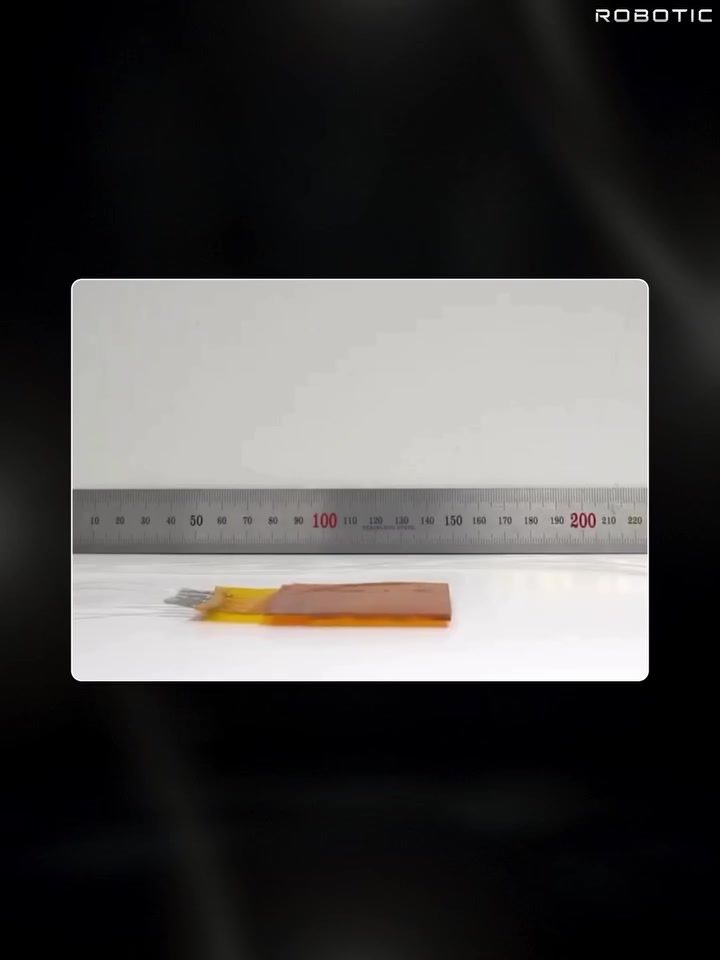
The robotic skin is an incredibly thin material, measuring just 1.7 mm in thickness and weighing only 2.94 grams. Despite its lightweight nature, it possesses impressive strength, capable of carrying up to 227 grams—approximately 77 times its own weight. This remarkable strength-to-weight ratio is achieved through the use of air-powered artificial muscles, which allow the skin to flexibly grip, lift, and manipulate objects.
Flexibility and Adaptability
One of the key features of this robotic skin is its flexible design. This allows it to wrap around curved surfaces and move through narrow spaces with ease. The ability to operate in tight and irregular spaces makes it particularly useful in environments where traditional robotic systems would be impractical or ineffective.
Underwater Capabilities
The technology's versatility extends to underwater operations. The robotic skin can safely handle delicate objects underwater, a capability that has significant implications for underwater exploration, marine research, and even medical applications in liquid environments.
Enhancing Robotic Grippers
Incorporating this thin, adaptable material into robotic grippers can greatly improve their functionality. Such grippers can be more compact and capable of handling a wider variety of objects, enhancing their utility in manufacturing processes, surgical tools, and other specialized applications.
Main Applications
Manufacturing
In manufacturing, the ability to handle delicate items with precision is crucial. This robotic skin can be integrated into production lines to safely manipulate fragile components, reducing the risk of damage and improving efficiency.
Medical Devices
The medical field stands to benefit significantly from this technology. Robotic skins can be used in surgical tools, allowing for more precise and less invasive procedures. Additionally, the lightweight and flexible nature of the material makes it ideal for wearable medical devices and prosthetics.
Research and Exploration
For researchers and explorers, the ability to manipulate objects in challenging environments, such as underwater or in microgravity, is invaluable. This technology can enhance the capabilities of underwater robots, space rovers, and other exploratory devices, enabling more detailed and safer investigations.
Practical Tips for Implementing Robotic Skin
Integration with Existing Systems
When integrating robotic skin into existing robotic systems, it's important to consider the specific requirements of the application. This might involve modifying the robotic arm or gripper to accommodate the new skin, as well as calibrating the system to ensure precise control of the air-powered muscles.
Testing and Calibration
Extensive testing and calibration are essential to ensure that the robotic skin performs optimally in its intended environment. This includes testing the material's durability, flexibility, and responsiveness to airflow, as well as fine-tuning the control algorithms to achieve the desired level of precision.
Maintenance and Upkeep
Regular maintenance is crucial to keep the robotic skin in good working condition. This might involve cleaning the material to prevent buildup of debris, checking for any signs of wear and tear, and replacing the air-powered muscles if necessary.
Important Takeaways
Versatility and Precision
The ultra-thin robotic skin's versatility and precision make it a valuable addition to various industries. Its ability to manipulate delicate objects with remarkable accuracy and handle items in challenging environments sets it apart from traditional robotic systems.
Potential for Innovation
The flexible and lightweight design of this robotic skin opens up new possibilities for innovation. From manufacturing and medical devices to research and exploration, the potential applications are vast and varied.
Future Developments
As research and development continue, we can expect to see even more advancements in this technology. Future iterations may include improved durability, even greater strength-to-weight ratios, and enhanced control algorithms, further expanding its utility and applications.
Conclusion
The development of ultra-thin robotic skin is a groundbreaking advancement in the field of soft robotics. Its lightweight, flexible, and precise design make it a valuable tool in various industries, from manufacturing and medical devices to research and exploration. As this technology continues to evolve, it has the potential to revolutionize the way we interact with and manipulate objects, paving the way for new innovations and applications in the future.
Watch the Reel
Questions readers ask
How does the ultra-thin robotic skin achieve precise object manipulation?
The ultra-thin robotic skin uses air-powered artificial muscles to achieve precise movement. These muscles allow the skin to gently and accurately handle delicate items, making it ideal for tasks requiring a high degree of precision.
What are some practical applications of this flexible robotic skin?
The flexible robotic skin has a wide range of applications, including medical devices for delicate procedures, underwater exploration for navigating complex environments, and manufacturing for handling intricate tasks in narrow spaces.
How does the robotic skin's ability to wrap around curved surfaces benefit medical devices?
By wrapping around curved surfaces, the robotic skin can conform to the contours of the human body or medical instruments. This capability is crucial for creating devices that can perform minimally invasive surgeries or provide comfortable, form-fitting prosthetics.
Can the ultra-thin robotic skin be used in underwater environments?
Yes, the ultra-thin robotic skin is well-suited for underwater exploration. Its lightweight and flexible nature allows it to navigate through narrow spaces and around obstacles, making it an excellent tool for deep-sea research and inspection of underwater structures.
What advantages does the ultra-thin robotic skin offer in manufacturing?
In manufacturing, the ultra-thin robotic skin can enhance precision and efficiency by handling delicate components and navigating tight spaces. Its ability to conform to various surfaces makes it ideal for assembly lines and quality control processes.
How does the robotic skin compare to traditional robotic systems in terms of adaptability?
Unlike traditional robotic systems that often rely on rigid components, the ultra-thin robotic skin is highly adaptable. Its flexibility allows it to conform to different shapes and navigate complex environments, making it a versatile tool for a wide range of applications.
What future potential does this robotic skin technology hold for soft robotics?
The future potential of this robotic skin technology is vast. As research continues, we can expect to see even more innovative applications in fields such as healthcare, exploration, and manufacturing, paving the way for advanced soft robotic systems that can handle delicate and precise tasks with ease.
Related deep dives
Similar reads based on topic and creator.



Recent articles
Fresh deep dives from the latest Reels we unpacked.




Comments
Be the first to comment.