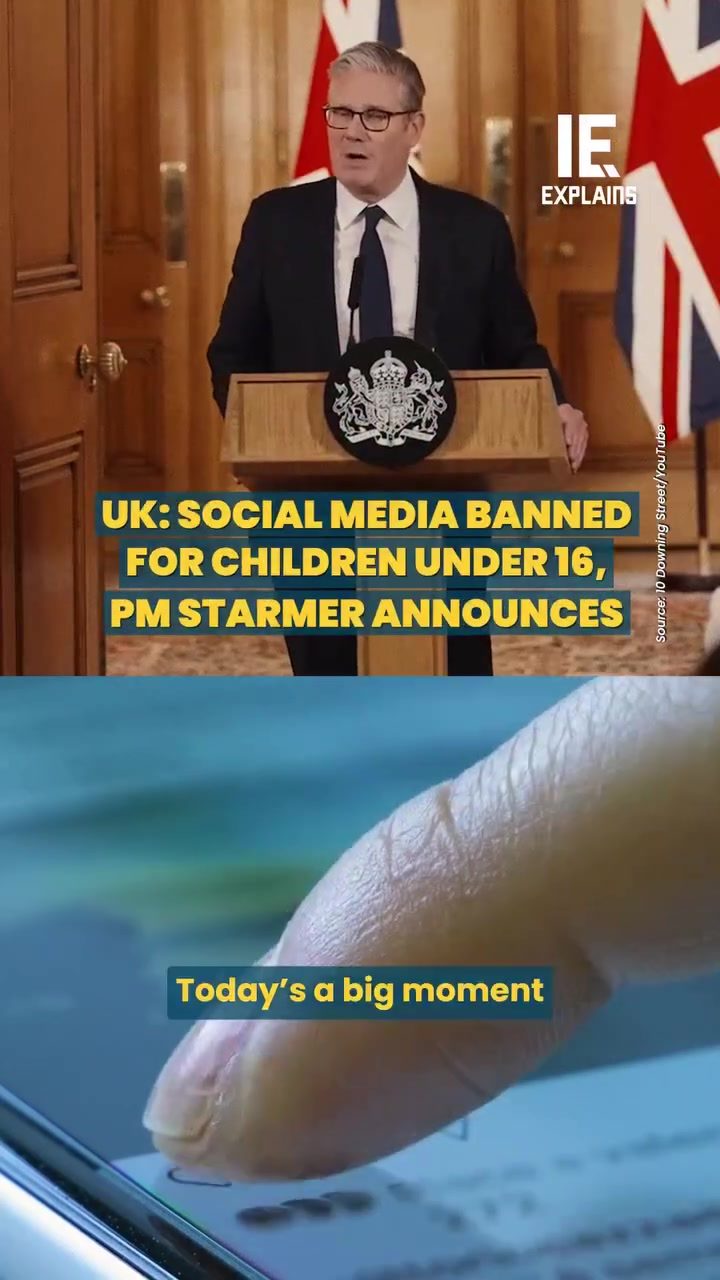
UK Social Media Ban for Children
The UK government has announced a significant move to ban social media platforms from offering services to children under the age of 16. This decision, announced by Prime Minister Keir Starmer, marks a pivotal step in ensuring child safety online. The ban will affect popular platforms such as TikTok, YouTube, Instagram, Facebook, and X, but messaging apps like WhatsApp and Signal will remain accessible.
Why This Matters
The UK's decision comes at a time when governments worldwide are under intense pressure to safeguard children from the potential harms of social media. The announcement aligns with growing concerns about the impact of social media on young people's mental health and well-being.
Global Context
Australia was the first country to implement a similar ban, which came into effect in December last year. Within the first month, over 4.7 million accounts were deactivated. However, Australia's eSafety Commissioner has warned that although the ban was a significant step, compliance gaps remain, and platforms still face challenges in fully adhering to the regulations.
UK's Approach
The UK's approach goes a step further than Australia's. Beyond banning accounts, the UK will also target AI chatbots and addictive design features that can trap young users. This comprehensive strategy aims to address not just the surface issues but the underlying mechanisms that make social media platforms so compelling and potentially harmful to young people.
Main Discussion
The Legal Timeline
The UK government aims to have the legislation passed before Christmas. If the timeline holds, the ban could come into force as early as spring 2027. This swift action underscores the urgency with which the government views the issue of child safety online.
The Role of Government Regulation
Governments are no longer willing to rely solely on self-regulation by social media platforms. The UK's decision to enforce strict regulations reflects a shift in policy, prioritizing child safety over the interests of tech companies.
Impact on Platforms
Platforms like TikTok, YouTube, Instagram, Facebook, and X will need to adjust their policies to comply with the new regulations. This could involve implementing stricter age verification processes and redesigning features that have been linked to increased usage and potential harm.
The Role of the e-Safety Commissioner
The UK's e-Safety Commissioner will play a crucial role in enforcing these regulations and ensuring compliance. This role is essential for maintaining the integrity of the ban and addressing any gaps in implementation.
Studies and Health Impacts
Recent studies have highlighted the links between heavy social media use and rising levels of anxiety, depression, and sleep disruption among teenagers. These findings underscore the necessity of the ban and the need for more proactive measures to protect young people.
Practical Tips
For parents and guardians, this ban provides an opportunity to re-evaluate the role of social media in their children's lives. Here are some practical tips:
Implementing Screen Time Limits
Even before the ban comes into effect, parents can take steps to limit their children's screen time. Setting specific time limits for social media use can help mitigate the negative impacts.
Encouraging Healthy Digital Habits
Parents should encourage healthy digital habits, such as taking regular breaks from screens, engaging in offline activities, and maintaining open communication about online experiences.
Monitoring Online Behavior
While the ban will help, it's also crucial for parents to stay informed about their children's online activities. Regular check-ins and discussions about social media use can provide insight into potential issues.
Important Takeaways
The UK's decision to ban social media for children under 16 sends a clear message about the importance of child safety online. The comprehensive approach, which includes targeting AI chatbots and addictive design features, sets a new standard for governments worldwide.
The ban, scheduled to come into effect as early as spring 2027, will require significant adjustments from social media platforms. The role of the e-Safety Commissioner will be pivotal in ensuring compliance and addressing any gaps in the implementation process.
Conclusion
The UK's social media ban for children under 16 is a landmark decision aimed at protecting young people from the potential harms of online platforms. While the ban faces challenges, it represents a significant step in prioritizing child safety over corporate interests. As the legislation progresses, it will be crucial for parents, educators, and policymakers to work together to ensure its effectiveness and create a safer digital environment for the next generation.
Watch the Reel
Questions readers ask
What is the primary goal of the UK's social media ban for children under 16?
The primary goal is to protect young people from the potential harms of social media, with a focus on safeguarding their mental health and well-being. By restricting access to platforms like TikTok, YouTube, and Instagram, the UK government aims to create a safer online environment for children under 16.
Which social media platforms are affected by the UK's new ban?
The ban applies to major social media platforms such as TikTok, YouTube, Instagram, Facebook, and X. However, messaging apps like WhatsApp and Signal are excluded from this restriction, allowing children under 16 to continue using these services.
What prompted the UK government to implement this social media ban?
The decision comes in response to growing concerns about the impact of social media on the mental health and well-being of young people. The UK government is addressing these issues by setting new regulations to promote child online safety.
How does the UK's social media ban align with global trends?
The UK's move to ban social media for children under 16 aligns with a global trend of governments implementing stricter regulations to protect young people online. Countries like Australia have already taken steps to address similar concerns, making the UK part of a broader international effort.
What role does mental health play in the UK's decision to ban social media for children under 16?
Mental health is a significant factor in the UK's decision. By limiting access to social media, the government aims to mitigate potential negative effects on young people's mental health, such as anxiety, depression, and poor self-esteem.
What exceptions exist for messaging apps in the context of the UK's new social media ban?
Messaging apps like WhatsApp and Signal are exempt from the ban, allowing children under 16 to continue using these services. This exception ensures that children can maintain communication with friends and family while still being protected from the broader risks associated with social media platforms.
What steps can parents take to support the UK's new social media regulations for their children?
Parents can support the new regulations by monitoring their children's online activities and encouraging open conversations about the potential risks of social media. They can also utilize available resources and tools to help enforce the ban and promote a safer online environment for their children.
Related deep dives
Similar reads based on topic and creator.


Recent articles
Fresh deep dives from the latest Reels we unpacked.




Comments
Be the first to comment.