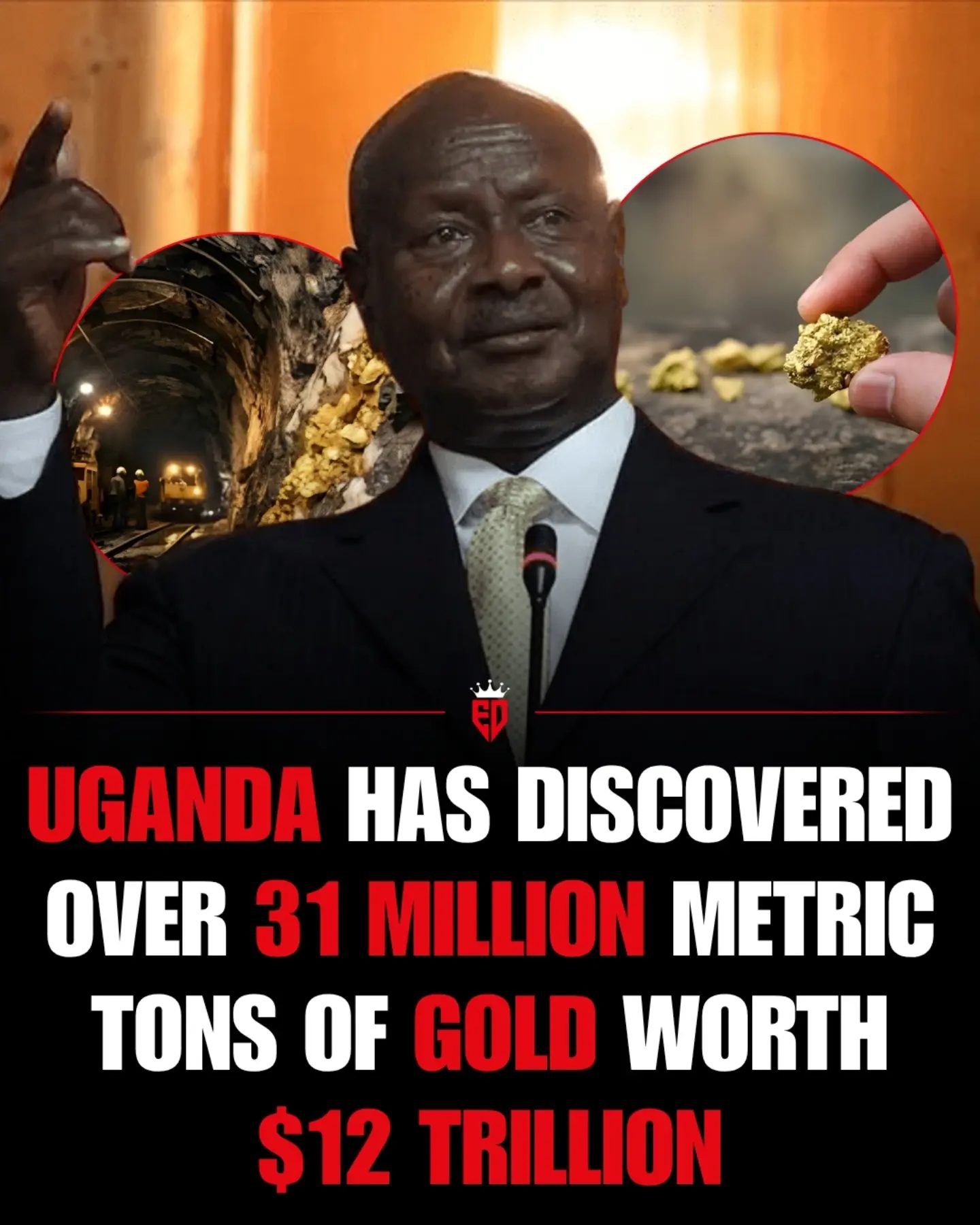
Uganda's Massive Gold Discovery and Its Potential Economic Impact
Uganda has reportedly discovered a significant amount of gold, estimated to be over 31 million metric tons with a potential value of $12 trillion. This discovery, one of the largest in modern history, has the potential to reshape Uganda's economy and position the nation as a key player in the global mining industry.
Why This Matters
The discovery of such a vast gold reserve presents a unique opportunity for Uganda. If effectively managed, it could drive significant economic growth, create jobs, and improve infrastructure. However, the path from resource discovery to national prosperity is fraught with challenges. Many resource-rich countries have struggled to translate their natural wealth into sustainable economic development. Understanding the complexities of this process is crucial for Uganda to avoid the pitfalls that have befallen other nations.
Turning Gold into National Wealth
Turning gold in the ground into national wealth requires several critical factors. These include infrastructure, investment, transparent governance, and policies that ensure citizens benefit from the profits. Let's delve into each of these factors in detail.
Infrastructure Development
Building the Necessary Infrastructure
For Uganda to fully exploit its gold reserves, substantial infrastructure development is essential. This includes roads, railways, and energy infrastructure to support mining operations, transportation, and processing. Reliable electricity and water supplies are also crucial for mining activities and the associated industrial processes.
Enhancing Logistics and Transportation
Efficient logistics and transportation systems are vital for moving the extracted gold and other minerals to processing plants and export markets. Developing ports, road networks, and rail systems will facilitate the movement of goods and people, fostering economic activity in the region.
Attracting Investment
Investment and Partnerships
Securing investment from both domestic and international sources will be critical. This includes attracting mining companies, financial institutions, and technology providers. However, it is essential to ensure that these investments are made in a manner that benefits Ugandan citizens and the broader economy. This may involve incentives such as tax breaks, reduced bureaucracy, and legal frameworks that protect both investors and the local population.
Public-Private Partnerships
Public-private partnerships (PPPs) can play a significant role in developing the necessary infrastructure and technologies. These partnerships can bring in much-needed capital, expertise, and technology, while the government can provide regulatory oversight and ensure that the benefits are shared equitably.
Transparent Governance
Legal and Regulatory Frameworks
A robust legal and regulatory framework is essential to govern the mining sector. This includes clear policies on mineral ownership, licensing, taxation, and environmental regulations. Transparent and enforceable laws can prevent corruption and ensure that the benefits of the gold discovery are shared widely.
Accountability and Oversight
Ensuring transparency and accountability in the management of mining activities is crucial. This involves establishing independent oversight bodies, auditing processes, and public reporting mechanisms. Transparent governance can build public trust and prevent the misuse of resources.
Ensuring Citizen Benefit
Community Engagement and Local Development
Engaging local communities in the mining process is essential. This includes providing jobs, training, and development opportunities for local residents. Community engagement can also help mitigate social and environmental impacts, ensuring that mining activities are sustainable and beneficial for all stakeholders.
Public Participation and Inclusivity
Inclusive governance structures that involve citizens in decision-making processes can ensure that the benefits of the gold discovery are shared widely. This may involve public consultations, participatory planning, and mechanisms for addressing grievances.
The Global Mining Industry
Uganda's gold discovery could position the nation as a significant player in the global mining industry. This has implications for both the domestic economy and the global market. Understanding the dynamics of the global mining industry is crucial for Uganda to leverage this discovery effectively.
Global Gold Market Dynamics
The global gold market is characterized by complex dynamics, including demand and supply fluctuations, price volatility, and the influence of major producers and consumers. Understanding these dynamics can help Uganda position itself strategically in the global market, leveraging its newly discovered reserves to maximize economic benefits.
Policy and Regulatory Frameworks
Uganda must align its policies and regulatory frameworks with international best practices to attract investment and ensure sustainable mining practices. This includes environmental regulations, labor standards, and transparency in reporting and auditing.
Best Practices from Other Nations
Learning from the experiences of other gold-producing nations can provide valuable insights. Countries like South Africa, Australia, and Canada have established robust mining sectors with strong governance frameworks, transparent regulations, and policies that ensure community benefits. By studying these models, Uganda can adapt best practices to its unique context.
Practical Tips for Uganda
Given the complexities involved in transforming a gold discovery into national wealth, certain practical steps can guide Uganda's journey.
Invest in Infrastructure
Prioritize investments in infrastructure, particularly in areas that support mining operations and transportation. This includes roads, railways, and energy infrastructure.
Foster a Business-Friendly Environment
Create a conducive environment for investment by implementing favorable policies and reducing bureaucratic hurdles. This can attract both domestic and foreign investors, driving economic growth.
Strengthen Governance and Transparency
Develop and enforce transparent governance mechanisms, including robust legal frameworks and oversight bodies. Ensure that the benefits of mining activities are shared equitably among citizens.
Engage Communities
Involve local communities in the mining process, providing them with economic opportunities and addressing their concerns. This can foster social harmony and ensure sustainable development.
Important Takeaways
The discovery of over 31 million metric tons of gold in Uganda is a significant event with far-reaching implications. While the potential for economic transformation is immense, the path to realizing this potential is complex and requires careful planning and execution.
Conclusion
Uganda's gold discovery presents a monumental opportunity for economic growth and prosperity. By developing the necessary infrastructure, attracting investment, ensuring transparent governance, and fostering community engagement, Uganda can transform this discovery into a blueprint for economic transformation and generational wealth. The real story is not just about the gold but about who ultimately benefits from it. With strategic planning and inclusive governance, Uganda can leverage this discovery to create a brighter future for its citizens.
Watch the Reel
Questions readers ask
What makes Uganda's gold discovery significant on a global scale?
Uganda's gold discovery is significant due to its sheer size, estimated at over 31 million metric tons, making it one of the largest in modern history. With a potential value of $12 trillion, it could position Uganda as a major player in the global gold market and attract substantial international investment.
How can Uganda's gold discovery impact the country's infrastructure?
The discovery offers a unique opportunity to drive infrastructure development. With increased revenues, Uganda could invest in upgrading roads, ports, and power supply, which are crucial for mining operations and overall economic growth. However, efficient use of funds and strategic planning are vital to ensure sustainable development.
What are the main challenges Uganda faces in harnessing its gold reserves?
Key challenges include inadequate infrastructure, governance issues, and attracting sufficient investment. Uganda must address these obstacles to translate its gold reserves into economic growth. This involves improving governance to ensure transparency and accountability, implementing strong regulatory frameworks, and fostering a stable political environment to attract investors.
How can Uganda ensure that the gold discovery benefits its citizens?
To ensure broad-based benefits, Uganda must prioritize job creation, invest in local communities, and implement policies that promote inclusive economic growth. This includes training and employing local workers, investing in community development projects, and ensuring that revenues from the gold sector are used for the public good, such as improving healthcare, and education systems.
What role can international investors play in Uganda's gold mining sector?
International investors can bring in the necessary capital, technology, and expertise to develop Uganda's gold mining sector. However, it is crucial for Uganda to negotiate beneficial terms in contracts, ensure that local communities benefit from these investments, and maintain a stable, predictable investment environment to attract and retain investors.
How might the gold discovery affect Uganda's economic growth?
If effectively managed, the gold discovery could drive significant economic growth by increasing Uganda's GDP, attracting foreign investment, and creating jobs. However, Uganda must avoid the 'resource curse' by ensuring that revenues are reinvested in long-term development projects and not squandered, and by promoting diversification of the economy to avoid over-reliance on gold.
Recent articles
Fresh deep dives from the latest Reels we unpacked.




Comments
Be the first to comment.