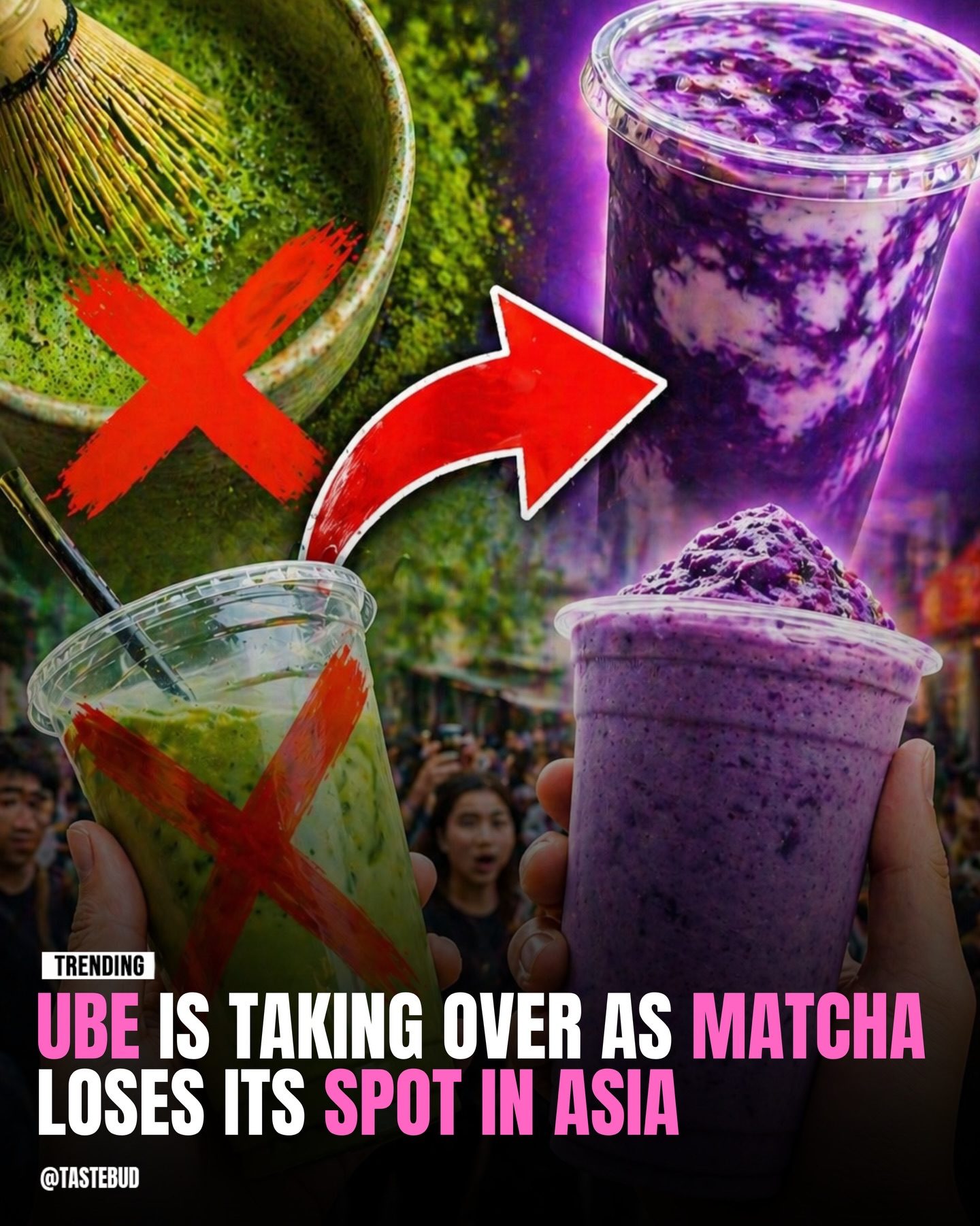
Tastebud Ube: The New Trend in Beverages
Ube, a vibrant purple yam native to the Philippines, is swiftly taking the world by storm. Its naturally sweet, vanilla-like flavor and striking color make it a favorite among food enthusiasts and cafés. This root vegetable, traditionally used in Filipino desserts, is now becoming a global phenomenon, especially in the form of smoothies.
Context / Why This Matters
The Rise of Ube
Ube's rise to fame can be attributed to several factors. Its unique color and sweet, nutty flavor profile make it an exciting ingredient for modern food trends. Unlike matcha, which has dominated the beverage scene for years, ube offers a fresher, more exotic appeal. This shift is evident in cafés and menus across Asia, where ube lattes, desserts, and smoothies are becoming increasingly popular.
The Ube Trend: From Traditional Dishes to Modern Beverages
Origin and Traditional Use
Ube has been a staple in Filipino cuisine for generations. Known for its vibrant purple color, it is often used in traditional desserts like halo-halo, ube halaya (purple yam jam), and ube ice cream. The root vegetable's versatility and unique taste have made it a beloved ingredient in various Filipino dishes, contributing to its rich culinary heritage.
Ube's Global Popularity
In recent years, ube has transcended its traditional boundaries and gained global popularity. This transition is largely due to social media and modern food trends. Food bloggers, influencers, and cafés worldwide have embraced ube, showcasing its versatility in various dishes and beverages. Ube's vibrant color and unique flavor have caught the attention of food enthusiasts, making it a trending ingredient in cafés and on social media.
Ube Smoothies
One of the most popular ube beverages is the ube smoothie. Blending ube powder or fresh ube with milk, ice, and a touch of sweetener creates a creamy, refreshing drink. Its vibrant purple color and naturally sweet, vanilla-like flavor make it an instant hit. Ube smoothies are not only delicious but also visually appealing, making them a favorite among health-conscious individuals and food enthusiasts.
The Ube Smoothie Recipe
Ingredients
To make a delicious ube smoothie, you will need the following ingredients:
- 1 cup of milk (dairy or non-dairy)
- 1/2 cup of frozen ube (or ube powder)
- 1/2 cup of ice cubes
- 1-2 tablespoons of sweetener (honey, maple syrup, or sugar, according to taste)
Instructions
- Blend the milk, ube, and sweetener in a blender until smooth.
- Add the ice cubes and blend again until the mixture is creamy and well combined.
- Pour the smoothie into a glass and enjoy immediately.
Important Takeaways
Ube: A Versatile Ingredient
Ube's versatility makes it a popular choice for various dishes and beverages. From smoothies to lattes, ube adds a unique flavor and visual appeal to any recipe. Its naturally sweet, vanilla-like flavor and vibrant purple color make it a favorite among food enthusiasts and cafés.
The Future of Ube
As ube continues to gain popularity, its future in the food industry looks promising. With its unique taste and visually appealing color, ube is set to become a staple in modern food trends. Its versatility and rich culinary heritage make it a popular choice for various dishes and beverages, ensuring its place in the global food scene.
Conclusion
Ube is more than just a trendy ingredient; it is a cultural heritage that has transcended its traditional boundaries. Its vibrant color, unique flavor, and versatility make it a favorite among food enthusiasts and cafés. As ube continues to gain global popularity, its future in the food industry looks promising. Whether enjoyed in traditional dishes or modern beverages like smoothies, ube offers a delightful culinary experience that is here to stay.
Watch the Reel
Questions readers ask
What is ube and why is it popular in smoothies?
Ube is a type of purple yam native to the Philippines, known for its vibrant color and naturally sweet, vanilla-like flavor. It's becoming popular in smoothies due to its unique taste and striking purple hue, which makes drinks visually appealing and Instagram-worthy.
How do ube smoothies compare to other Asian beverage trends like matcha?
While matcha has been popular for years, ube offers a fresher, more exotic appeal. Ube smoothies have a unique, nutty flavor and a vibrant purple color, which sets them apart from the green hue of matcha drinks. The taste is distinct and reminiscent of a creamy, sweet dessert, rather than a bitter green tea.
What are the benefits of using ube in smoothies?
Ube is rich in antioxidants and fiber, making it a nutritious addition to smoothies. Its natural sweetness allows for reduced use of added sugars. Additionally, ube's vibrant color can make smoothies more appealing to the eye and exciting to drink.
What is the difference between ube smoothies and Filipino ube smoothies?
The term 'Filipino ube smoothies' specifically refers to smoothies made using traditional Filipino recipes and ingredients, which often include coconut milk. Regular 'ube smoothies' might be more generic or adapted to local tastes and ingredients.
Can I make ube smoothies at home? What ingredients do I need?
Yes, ube smoothies can be made at home using fresh, frozen, or powdered ube. Basic ingredients to prepare an easy ube smoothie include ube powder or frozen ube, a liquid base like milk or coconut water, a sweetener such as honey or sugar, and any additional mix-ins you prefer, like bananas or ice cubes.
Where can I find ube for making smoothies?
Ube can be found in various forms, including fresh, frozen, and powdered. Asian grocery stores or online retailers are good places to start. Many supermarkets with international sections may also carry ube. If you're using powder, ensure it's 100% ube with no added sweeteners for the purest flavor.
Related deep dives
Similar reads based on topic and creator.



Recent articles
Fresh deep dives from the latest Reels we unpacked.




Comments
Be the first to comment.