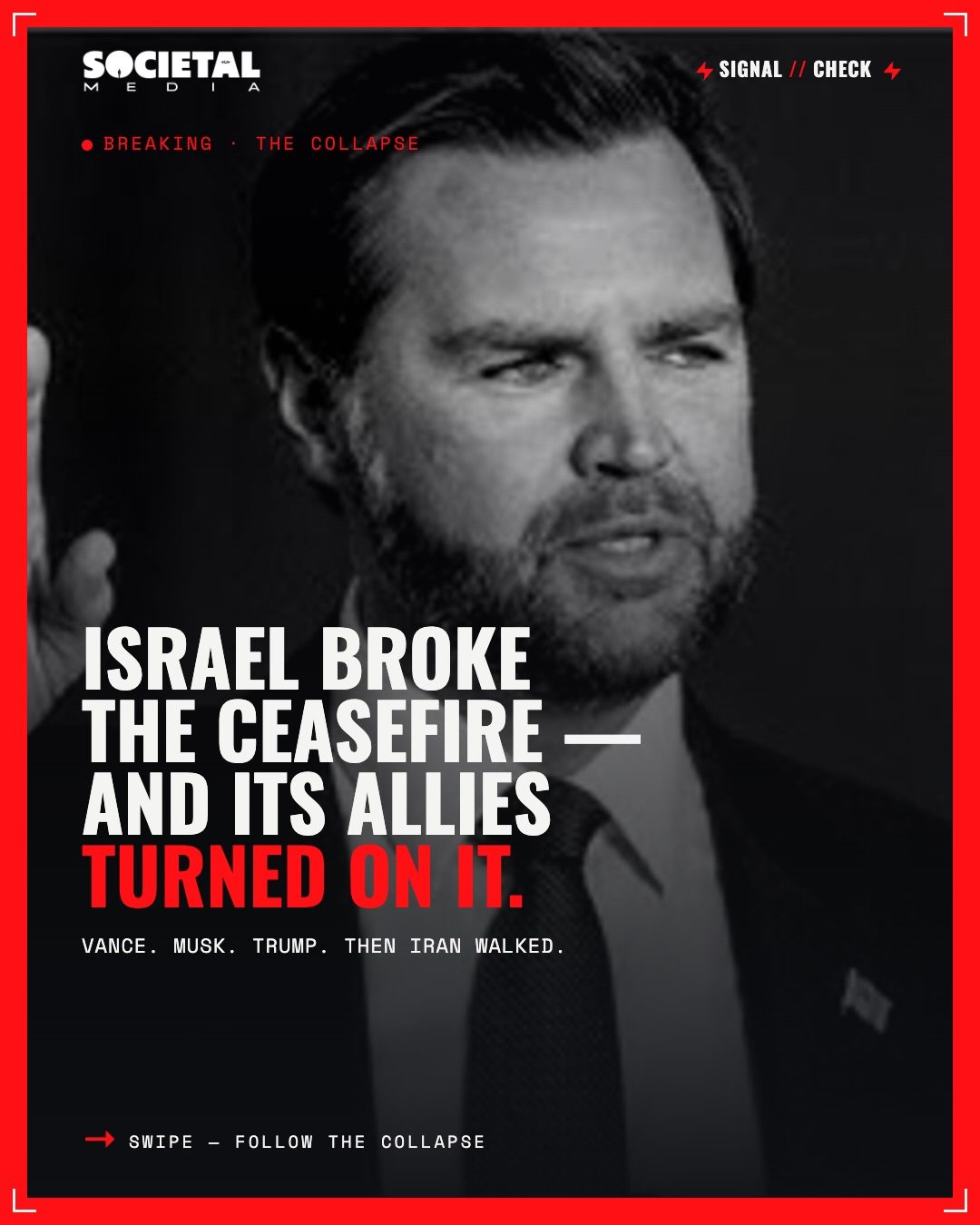
The Rapid Unraveling of the U.S.-Israel Alliance
The geopolitical landscape is shifting rapidly, with significant developments in the relationship between the U.S. and Israel. Over the past 72 hours, the alliance between these two nations has shown public signs of strain. This shift involves several key figures, including JD Vance, Elon Musk, and former President Donald Trump, and has broader implications for regional stability and global alliances.
Context / Why This Matters
The U.S.-Israel alliance has long been a cornerstone of Middle East politics. Israel relies heavily on the U.S. for military and economic support, with 2/3 of its defensive weapons either built or funded by the U.S. Recent events, however, suggest a potential realignment of these geopolitical relationships, with Vance, Musk, and Trump all expressing critical views towards Israel in a short period.
Key Players and Their Statements
JD Vance
Senator JD Vance has been vocal about his concerns regarding Israel. His statement, "I might not be attacking the only powerful ally I have left," underscores the tension and the potential for a shift in American policy towards Israel. Vance's comments reflect a deeper concern within the U.S. regarding Israel's actions and their implications for regional stability.
Elon Musk
Musk has publicly backed Vance's warnings to Israel, indicating a shared concern among influential figures in the U.S. Musk's endorsement of Vance's position suggests a broader consensus on the need for a change in Israel's approach. Musk's public statements often influence public opinion and may signal a shift in the U.S.'s stance towards Israel.
Donald Trump
Trump's comments at the G7 summit further highlighted the mounting frustration within the U.S. towards Israel. His statement, "Without me, there would be no Israel," underscores the significance of his role in the U.S.-Israel relationship. Trump's past support for Israel has been a defining feature of his foreign policy, but his recent statements suggest a shift in his stance.
The Fallout: Iran's Reaction
The U.S.'s changing stance towards Israel has had immediate repercussions. Iran, a key player in the region, has withdrawn from all further negotiations, blaming the U.S. for failing to rein in its ally. This move by Iran signals a significant shift in regional dynamics, as Iran's withdrawal from negotiations could lead to escalated tensions and potential conflict.
Israel's Actions and Their Consequences
Israel's recent strike on Lebanon has further complicated the situation. This action shattered a U.S.-backed truce, raising questions about Israel's commitment to peace and stability in the region. The strike came just days after a ceasefire was signed, indicating a potential breach of trust and undermining efforts towards a lasting peace.
The Geopolitical Map is Redrawing
The recent developments suggest that the geopolitical map is being redrawn in real-time. The U.S.'s public criticism of Israel, along with Iran's withdrawal from negotiations, indicates a potential realignment of alliances and a shift in regional dynamics. This could have broader implications for global stability and the balance of power in the Middle East.
Implications for Regional Stability
The current situation raises important questions about the future of the U.S.-Israel alliance and its impact on regional stability. The public criticism of Israel by key U.S. figures, along with Iran's withdrawal from negotiations, suggest a potential realignment of alliances and a shift in regional dynamics. This could lead to escalated tensions and potential conflict, posing a significant challenge to global stability. The situation underscores the need for diplomatic efforts to address these issues and prevent further escalation.
Public Opinion and Political Calculations
The current situation also reflects broader political calculations and public opinion within the U.S. With midterm elections looming, U.S. politicians may be leveraging their positions on Israel to appeal to their base. Public opinion has soured on Israel in recent years, and tough talk on Israel may be seen as a way to garner support. The situation highlights the complex interplay between domestic politics and foreign policy, and the potential for political rhetoric to influence geopolitical dynamics.
Practical Tips
Stay Informed
Keep an eye on the latest developments and follow reliable news sources to stay informed about the evolving situation. Understanding the latest developments can help you make sense of the complex geopolitical dynamics at play. Staying informed can help you navigate the shifting political landscape and make informed decisions.
Engage in Dialogue
Engage in discussions with others about the current situation. Sharing insights and perspectives can help foster a deeper understanding of the issues at stake and the potential implications for regional stability. Engaging in dialogue can also help to bridge divides and promote a more nuanced understanding of the situation.
Prepare for Uncertainty
The current situation highlights the need for preparedness in the face of uncertainty. Keeping a close watch on the situation and being prepared for potential shifts in the geopolitical landscape can help you navigate the evolving situation and make informed decisions.
Analyze Information Critically
Be discerning in your analysis of the information available. Carefully consider the sources of information and the potential biases that may be at play. Analyzing information critically can help you form a more nuanced understanding of the situation and make informed decisions.
Look for Solutions
Focus on finding constructive solutions to the current situation. Engaging in productive dialogue and seeking common ground can help to promote stability and prevent further escalation. Looking for solutions can help to build a more peaceful and stable future.
Important Takeaways
- The U.S.-Israel alliance has shown signs of strain, with key figures expressing criticism of Israel.
- Iran's withdrawal from negotiations and Israel's strike on Lebanon further complicate the situation.
- The geopolitical map is redrawing in real-time, with potential implications for regional stability and global alliances.
- Public opinion and political calculations play a significant role in shaping U.S. policy towards Israel.
- Staying informed, engaging in dialogue, and preparing for uncertainty are crucial in navigating the evolving situation.
Conclusion
The recent developments in the U.S.-Israel relationship highlight a rapidly shifting geopolitical landscape. The public criticism of Israel by key U.S. figures, along with Iran's withdrawal from negotiations, suggest a potential realignment of alliances and a shift in regional dynamics. The situation underscores the need for diplomatic efforts to address these issues and prevent further escalation. By staying informed, engaging in dialogue, and preparing for uncertainty, we can navigate the evolving situation and work towards a more stable and peaceful future.
Watch the Reel
Questions readers ask
How have recent statements by JD Vance impacted the U.S.-Israel alliance?
JD Vance, a prominent U.S. Senator, has openly criticized Israel's actions, particularly in relation to the Israel Iran conflict, which has contributed to the recent strain in the U.S.-Israel relationship. Vance's remarks have added to a growing chorus of influential U.S. voices questioning Israel's policies.
What is the significance of Elon Musk's comments on Israel?
Elon Musk, a high-profile business figure, has also made public statements critical of Israel, further fueling the tension. Musk's comments, while not directly policy-related, hold significant weight due to his global influence, potentially affecting public opinion and corporate attitudes towards the region.
How have Donald Trump's views on Israel evolved and what impact do they have on current tensions?
Donald Trump, the former U.S. President, has traditionally been a strong ally of Israel. However, recent statements suggest a shift in his stance, possibly influenced by the changing political climate. Trump's evolving views add complexity to the U.S.-Israel alliance, as he remains a powerful voice in U.S. politics.
What are the potential broader implications of the U.S.-Israel alliance strain on Middle East politics?
The strain in the U.S.-Israel alliance could signal a broader realignment in Middle East politics. Israel heavily relies on U.S. support, and any shift in this dynamic could reshape regional alliances and influence the balance of power in the Middle East.
How has the media reacted to the tension between the U.S. and Israel?
The media has been closely monitoring and reporting on the recent developments, with various outlets analyzing the statements from Vance, Musk, and Trump. The media reaction highlights the significance of these events and their potential impact on U.S. foreign policy in the Middle East, particularly concerning the Israel Iran conflict.
What role do influential U.S. voices, such as Vance, Trump, and Musk, play in shaping U.S. foreign policy towards Israel?
Influential U.S. voices like JD Vance, Donald Trump, and Elon Musk play a significant role in shaping public opinion and policy discussions. Their statements on Israel can influence the broader narrative and potentially steer U.S. foreign policy, especially in the midst of a sensitive geopolitical landscape.
Recent articles
Fresh deep dives from the latest Reels we unpacked.




Comments
Be the first to comment.