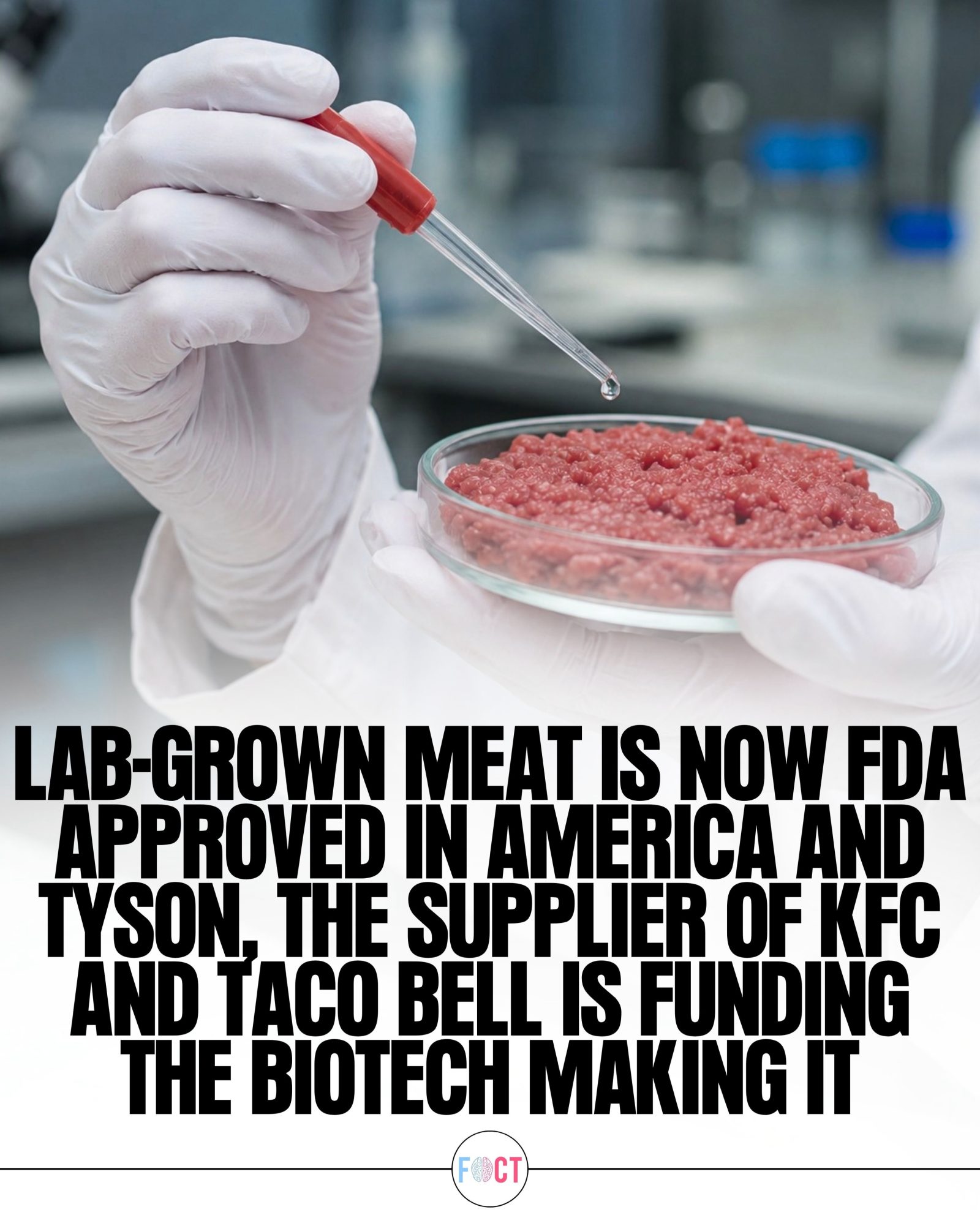
Lab-Grown Meat Approval
Lab-grown meat, also known as cultivated or cell-cultured meat, has made significant strides with recent regulatory approvals in the United States. This innovative food technology involves taking a small sample of animal cells and growing them in controlled bioreactors until they form real animal muscle tissue. Unlike plant-based substitutes, lab-grown meat is biologically identical to conventionally produced meat, but it is created without the need to slaughter animals.
The approval process for lab-grown meat in the U.S. began in late 2022, with the first regulatory clearances allowing for limited commercial sales in 2023. Since then, additional cultivated meat products have received regulatory approval, though their availability remains limited. This technology represents a significant step forward in the development of alternative protein sources, complementing traditional farming methods.
Why This Matters
The approval of lab-grown meat signifies a pivotal moment in the food industry. It offers a sustainable and ethical alternative to traditional meat production, addressing concerns about animal welfare, environmental impact, and food security. As the global population grows, the demand for protein sources is expected to increase, making innovative solutions like lab-grown meat increasingly important.
The Science Behind Lab-Grown Meat
Cell Culturing Process
The process of creating lab-grown meat involves several key steps. First, a small sample of animal cells is taken, typically from muscle or fat tissue. These cells are then cultured in a laboratory setting, where they are provided with the necessary nutrients and growth factors to replicate and form muscle tissue. This process takes place in bioreactors, which are controlled environments that mimic the conditions found in an animal's body.
Nutrient and Growth Factors
The cells require specific nutrients and growth factors to thrive. These include amino acids, vitamins, minerals, and growth hormones that are essential for cellular division and tissue formation. The bioreactors are designed to maintain optimal conditions, such as temperature, pH, and oxygen levels, to support the growth of the cells.
Tissue Formation
As the cells multiply, they begin to form muscle tissue, which can be harvested and processed into various meat products. The resulting meat is structurally and nutritionally similar to conventionally produced meat, but it is created in a more controlled and ethical manner.
Tyson's Involvement
Tyson Foods, a major supplier for popular fast-food chains like KFC and Taco Bell, is one of the companies that is actively involved in the development of lab-grown meat. Tyson has invested in biotech companies that specialize in producing lab-grown meat. This investment reflects the growing interest and potential of this innovative food technology.
The Regulatory Landscape
Initial Approvals
The regulatory approvals for lab-grown meat began in late 2022, with the FDA granting the first clearances for limited commercial sales in 2023. These approvals were significant milestones, as they allowed companies to start producing and selling lab-grown meat products to consumers. However, the availability of these products remains limited, as the technology is still in its early stages of development.
Ongoing Approvals
Since the initial approvals, additional cultivated meat products have received regulatory clearance. These include various types of meat, such as ground meat, chicken, and seafood. The approvals demonstrate the regulatory bodies' recognition of the potential of this technology and their willingness to support its development.
The Economic and Environmental Impact
Cost Considerations
Lab-grown meat is currently produced in small quantities and costs significantly more than conventional meat. This high cost is due to the complex and resource-intensive process of cell culturing and the need for specialized equipment and expertise. However, as the technology advances and production scales up, the cost is expected to decrease, making it more accessible to consumers.
Environmental Benefits
Lab-grown meat offers several environmental benefits over traditional meat production. It requires fewer resources, such as land, water, and feed, and produces lower greenhouse gas emissions. Additionally, it reduces the environmental impact associated with livestock farming, such as deforestation and water pollution. These benefits make lab-grown meat a more sustainable alternative to conventional meat production.
Practical Tips
For those interested in trying lab-grown meat, it's essential to stay informed about its availability and where to find it. Currently, lab-grown meat is available only through select restaurants or pilot programs. It is not yet widely sold in grocery stores or common in everyday diets. However, as the technology advances and production scales up, its availability is expected to increase.
Important Takeaways
- Lab-grown meat is now approved for limited commercial sale in the U.S., offering a sustainable and ethical alternative to traditional meat production.
- The process involves taking a small sample of animal cells and growing them in controlled bioreactors to form muscle tissue.
- Tyson Foods, a major supplier for fast-food chains like KFC and Taco Bell, is actively involved in the development of lab-grown meat.
- Regulatory approvals for lab-grown meat began in late 2022, and additional products have since received clearance.
- While currently limited in availability and high in cost, the potential benefits of lab-grown meat make it an exciting development in the food industry.
Conclusion
As lab-grown meat continues to gain regulatory approval and investment, it is poised to become a significant player in the food industry. Its potential to offer a more sustainable and ethical alternative to traditional meat production is a crucial development in addressing the global demand for protein. While there are still challenges to overcome, such as high costs and limited availability, the future of lab-grown meat looks promising, with the opportunity to transform the way we produce and consume meat.
Watch the Reel
Questions readers ask
What makes lab-grown meat a sustainable protein source?
Lab-grown meat is a sustainable protein source because it requires significantly less land, water, and feed compared to traditional livestock farming. Additionally, it reduces greenhouse gas emissions, making it an environmentally friendly alternative to conventional meat production.
How does Tyson's investment in lab-grown meat align with current regulatory standards?
Tyson's investment in lab-grown meat is in line with the recent FDA approvals that have paved the way for limited commercial sales of lab-grown meat. This investment signifies a commitment to meeting regulatory standards and contributing to the future of sustainable and ethical meat production.
What is the process of producing lab-grown meat?
Lab-grown meat is produced by taking a small sample of animal cells and growing them in controlled environments called bioreactors. These cells multiply and form real animal muscle tissue, which is then harvested and processed into meat products, ensuring a process free from animal slaughter.
Why is lab-grown meat considered an ethical protein alternative?
Lab-grown meat is considered an ethical alternative because it eliminates the need to slaughter animals, addressing concerns about animal welfare. It offers consumers a way to enjoy meat products without the ethical implications associated with traditional meat production, while also being a sustainable option.
How does lab-grown meat differ from plant-based meat substitutes?
Lab-grown meat is biologically identical to conventionally produced meat, whereas plant-based meat substitutes are derived from plant proteins. Lab-grown meat is created from actual animal cells, offering the same taste, texture, and nutritional profile as traditional meat, making it a distinct alternative for consumers.
What are the benefits of lab-grown meat for restaurants and fast-food chains like KFC and Taco Bell?
Lab-grown meat provides restaurants and fast-food chains with an opportunity to offer environmentally friendly and ethical meat options. This can attract a growing segment of consumers who are concerned about sustainability and animal welfare, while also aligning with future trends in meat production.
What does the future hold for lab-grown meat production?
The future of lab-grown meat production looks promising, with ongoing advancements in technology and regulatory support. As production scales up and costs decrease, lab-grown meat could become a mainstream option, offering a viable and sustainable alternative to traditional meat production methods.
Related deep dives
Similar reads based on topic and creator.


Recent articles
Fresh deep dives from the latest Reels we unpacked.




Comments
Be the first to comment.