Wave Energy Converters: Harnessing the Power of Ocean Waves
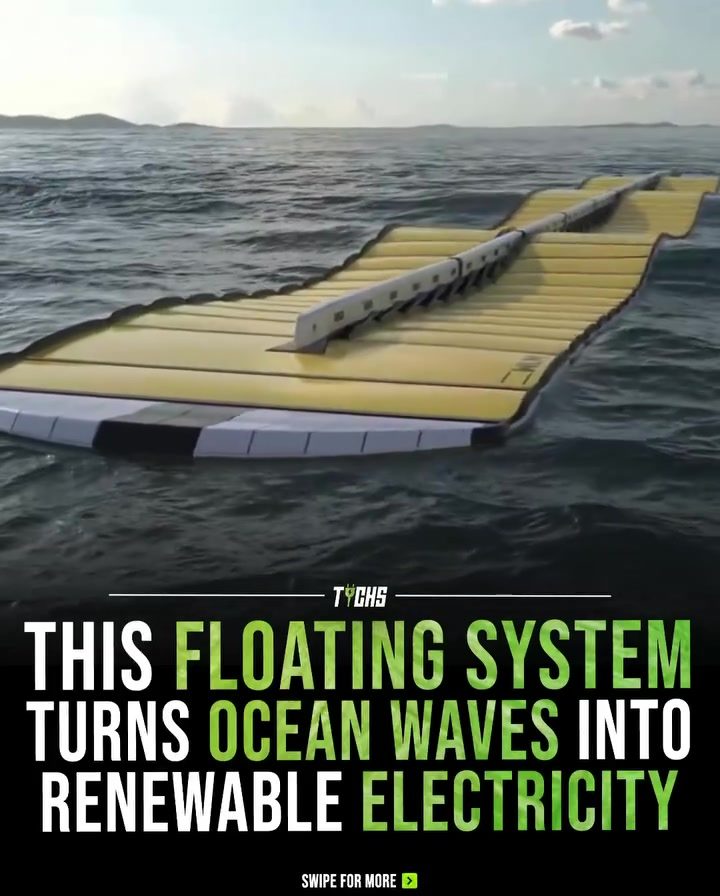
The ocean is a vast, untapped source of renewable energy, and one of the most exciting technologies emerging in this field is the wave energy converter. These innovative devices are designed to capture the kinetic energy from ocean waves and convert it into electricity. Among the leaders in this technology is the TYCHS wave energy converter, a floating system that exemplifies the potential of this renewable energy source.
Context: The Promise of Wave Energy
Wave energy converters are part of a broader category of marine energy technologies that harness the power of the ocean. Unlike solar and wind energy, which are intermittent and dependent on weather conditions, wave energy offers a more predictable and constant source of power. This is because waves are primarily driven by the wind, which in turn is influenced by the differential heating of the Earth's surface by the sun. As a result, waves are more consistent and reliable than wind or solar energy, making them an attractive option for continuous power generation.
Main Discussion
How Wave Energy Converters Work
Wave energy converters come in various designs, but they all share the same basic principle: capturing the motion of waves and converting it into electricity. The TYCHS wave energy converter, for example, is a floating device composed of interconnected modules. These modules flex with the motion of the waves, using the kinetic energy to generate electricity. The modular design allows for scalability and adaptability to different ocean conditions, making it a versatile solution for various coastal environments.
Modular Design
The modular design of the TYCHS wave energy converter is one of its key features. Each module is designed to be flexible and durable, capable of withstanding the harsh conditions of the open ocean. This design not only ensures the longevity of the device but also allows for easy maintenance and repair. The interconnected nature of the modules means that if one module fails, it can be replaced without disrupting the entire system.
Energy Conversion
The energy conversion process in wave energy converters involves several steps. First, the motion of the waves is captured by the floating modules. This motion causes the modules to flex, which in turn drives a mechanical system that converts the kinetic energy into electrical energy. The electrical energy is then transmitted to shore through underwater cables, where it can be integrated into the existing power grid.
The Role of Wave Energy in the Global Energy Mix
Wave energy has the potential to significantly contribute to the global renewable energy mix. Traditional sources of renewable energy, such as wind and solar, are well-established, but they have limitations. Wind energy is dependent on wind speeds, which can be unpredictable, and solar energy is limited by daylight hours. In contrast, wave energy offers a more consistent and predictable source of power, which can complement these existing renewable energy sources.
Environmental Impact
One of the most significant advantages of wave energy is its low environmental impact. Unlike fossil fuels, which release harmful pollutants into the atmosphere, wave energy converters produce no emissions. They are also less disruptive to marine ecosystems compared to other forms of energy extraction, such as offshore drilling. This makes wave energy a sustainable and environmentally friendly option for generating electricity.
Economic Benefits
In addition to its environmental benefits, wave energy also has significant economic potential. The development and deployment of wave energy converters can create new jobs and stimulate economic growth in coastal communities. The technology also has the potential to reduce dependence on fossil fuels, leading to lower energy costs and increased energy security.
Practical Tips for Deploying Wave Energy Converters
Deploying wave energy converters requires careful planning and consideration. Here are some practical tips for successfully implementing wave energy technology:
Conduct Thorough Site Assessments
Before deploying a wave energy converter, it is essential to conduct a thorough site assessment. This involves evaluating the wave energy resource at the proposed site, as well as assessing environmental and regulatory factors. A comprehensive site assessment will help ensure that the wave energy converter is deployed in an optimal location, maximizing its energy output and minimizing its environmental impact.
Engage with Local Communities
Engaging with local communities is crucial for the successful deployment of wave energy converters. This involves communicating the benefits of the technology, addressing any concerns or objections, and involving local stakeholders in the decision-making process. Building a strong relationship with the community can help ensure that the wave energy converter is accepted and supported by the local population.
Develop a Robust Maintenance Plan
Maintaining wave energy converters in the open ocean can be challenging. Develop a robust maintenance plan that includes regular inspections, preventative maintenance, and a contingency plan for repairs. This will help ensure that the wave energy converter operates efficiently and effectively, minimizing downtime and maximizing energy output.
Important Takeaways
Wave energy converters, such as the TYCHS system, represent a promising technology for harnessing the power of ocean waves. By converting the kinetic energy of waves into electricity, these devices offer a clean, predictable, and sustainable source of power. The modular design of the TYCHS wave energy converter, along with its low environmental impact and economic benefits, makes it a compelling option for the renewable energy sector.
Conclusion
Wave energy converters are paving the way for a more sustainable and reliable energy future. With technologies like the TYCHS wave energy converter, the potential for wave energy to contribute to the global energy mix is immense. As research and development continue, wave energy converters are poised to become a critical component of the renewable energy landscape, offering a clean, predictable, and efficient source of power for generations to come.
Watch the Reel
Questions readers ask
How does the TYCHS Wave Energy Converter generate electricity from ocean waves?
The TYCHS Wave Energy Converter utilizes the up-and-down motion of ocean waves to drive a system of hydraulic components. These components activate a generator that converts the mechanical energy into electricity, providing a clean, renewable power source.
What makes the TYCHS Wave Energy Converter suitable for diverse coastal environments?
The TYCHS Wave Energy Converter employs a modular design, which allows it to be adapted to various coastal conditions. This flexibility ensures that the system can operate efficiently in different wave climates and geological settings, making it a versatile solution for harnessing ocean power.
Why is wave energy considered a more reliable power source compared to solar or wind energy?
Wave energy is often more consistent and predictable than solar or wind energy because it is driven by the continuous motion of ocean waves, which are influenced by consistent wind patterns and gravitational forces. This results in a more stable and dependable energy output over time.
How does the floating design of the TYCHS Wave Energy Converter benefit its operation?
The floating design allows the TYCHS Wave Energy Converter to be positioned in optimal locations where wave energy is most abundant, without the need for complex and costly seabed installations. This design also makes the system easier to deploy, maintain, and relocate as needed.
Can the TYCHS Wave Energy Converter be scaled to meet the energy demands of larger communities?
Yes, the modular nature of the TYCHS Wave Energy Converter enables scalability. Multiple units can be deployed together to increase energy output, making it suitable for both small-scale and large-scale power generation, depending on the energy needs of the community or region.
What are the potential environmental impacts of deploying wave energy converters like TYCHS?
While wave energy converters offer a clean source of power, their deployment can have environmental effects. These include potential impacts on marine life due to changes in wave patterns and noise pollution from the devices. However, these impacts are generally considered lower than those from fossil fuel extraction and can be mitigated through careful planning and design.
How does the TYCHS Wave Energy Converter contribute to a more sustainable energy future?
The TYCHS Wave Energy Converter taps into the vast, renewable resource of ocean waves, providing a sustainable alternative to traditional fossil fuels. This technology reduces greenhouse gas emissions and helps decrease dependence on non-renewable energy sources, thus contributing to a more environmentally friendly power landscape.
Recent articles
Fresh deep dives from the latest Reels we unpacked.




Comments
Be the first to comment.