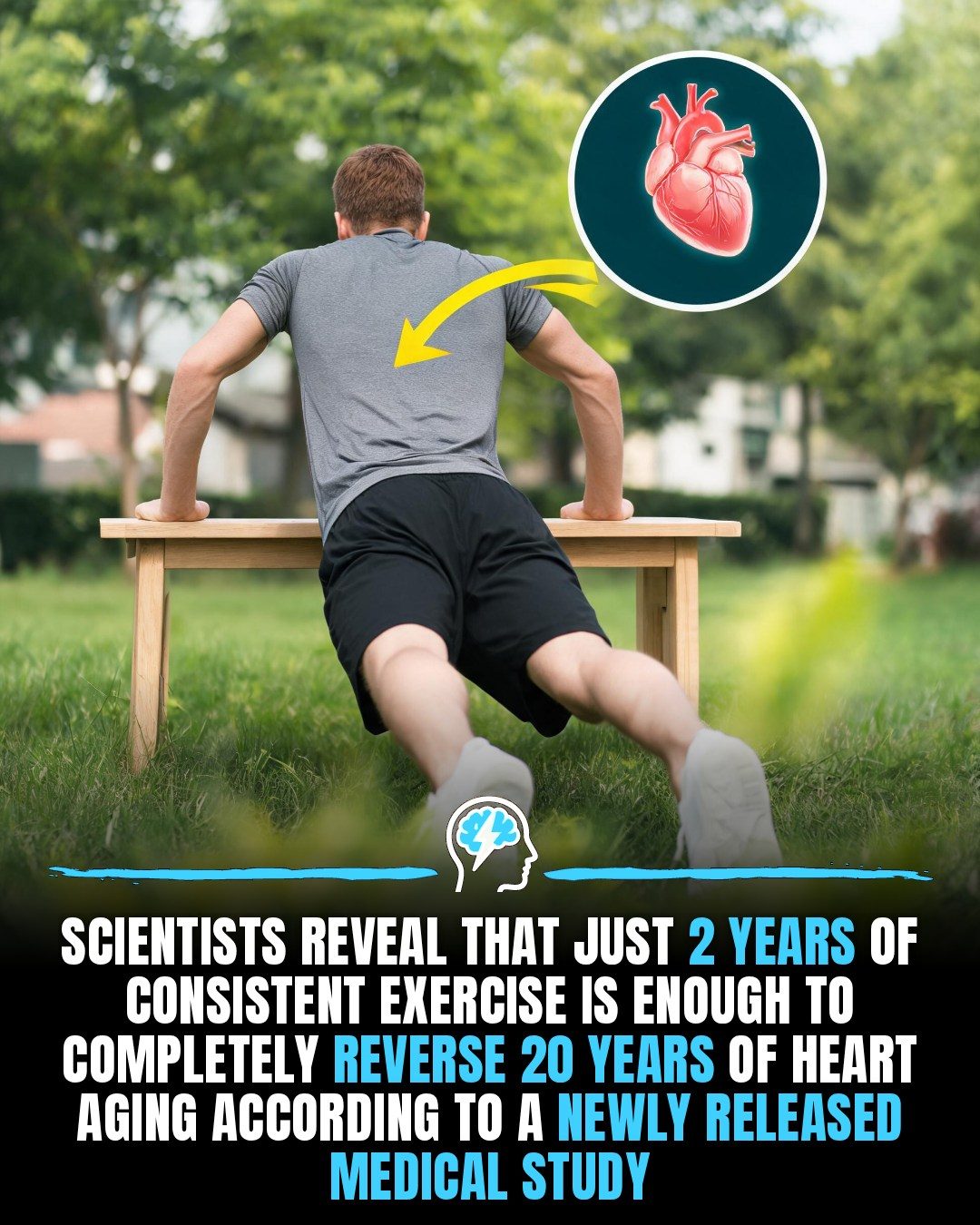
Heart Health and Exercise
Consistency in exercise can be a vital key to reversing heart aging. This revelation comes from a recent study, which shows that just two years of steady exercise can undo two decades of wear and tear on your cardiovascular system. These findings are particularly good news for anyone who thinks their sedentary lifestyle has already caused irreversible damage to their heart health.
Context / Why This Matters
Heart health is a cornerstone of overall well-being, and maintaining a healthy cardiovascular system is crucial for longevity and quality of life. The study's findings underscore the importance of regular exercise in reversing the effects of aging on the heart, making it a critical component of a healthy lifestyle.
The Study: How It Worked
The study tracked healthy but sedentary adults, ages 45 to 64, over the course of two years. Participants were divided into two groups: one group engaged in high-intensity exercise, while the other focused on gentler activities like yoga and balance work. The results were striking.
The high-intensity exercise group experienced significant improvements in heart elasticity, making their hearts function like organs two decades younger. This demonstrates that consistent, structured exercise can have a profound impact on cardiovascular health.
The Exercise Routine That Worked
The key to reversing heart aging, according to the study, lies in a well-rounded exercise routine. Here’s what worked for the participants:
- High-Intensity Interval Training (HIIT): One session per week at near-maximum heart rate.
- Moderate Exercise: 2 to 3 days a week of activities like jogging or cycling.
- Strength Training: One session per week.
- Long Sessions: At least one long session per week, such as an hour of brisk walking or playing tennis.
This balanced approach ensured that participants were challenging their cardiovascular system in various ways, leading to significant improvements in heart health.
The Window of Opportunity
Timing plays a crucial role in the effectiveness of exercise on heart health. Researchers found that the heart remodels itself best during late middle age. This means that starting an exercise routine before the age of 65 can keep the heart muscle flexible, lowering the risk of heart failure in the future.
After 65, the heart tends to stiffen, making it much harder to reverse the effects of aging through exercise. Therefore, it's essential to start early and maintain a consistent exercise routine to reap the long-term benefits.
Practical Tips
Incorporating a structured exercise routine into your life doesn't have to be overwhelming. Here are some practical tips to get you started:
- Start Small: If you're new to exercise, begin with shorter, less intense workouts. Gradually increase the duration and intensity as your fitness improves.
- Mix It Up: Vary your exercise routine to keep things interesting and challenge your body in different ways. Combine cardio, strength training, and flexibility exercises.
- Consistency is Key: Aim for at least 150 minutes of moderate-intensity or 75 minutes of vigorous-intensity aerobic activity per week, along with strength training exercises at least 2 days a week.
- Listen to Your Body: Pay attention to how your body feels during and after exercise. If you experience pain or discomfort, take a break and consult a healthcare professional if necessary.
- Stay Motivated: Find activities you enjoy and set realistic goals for yourself. Celebrate your progress and don't be too hard on yourself if you miss a workout.
Important Takeaways
The study's findings offer valuable insights into the benefits of consistent exercise for heart health:
- Consistency Pays Off: Two years of consistent exercise can reverse the effects of two decades of heart aging. Even if you've been sedentary for a long time, it’s not too late to start reaping the benefits of exercise.
- High-Intensity Training: High-intensity interval training is particularly effective in improving heart elasticity and overall cardiovascular health.
- Timing Matters: Starting an exercise routine before the age of 65 can significantly improve your heart's ability to remold itself and stay flexible.
- Comprehensive Routine: A well-rounded exercise routine that includes HIIT, moderate exercise, strength training, and long sessions is key to reversing heart aging.
Conclusion
Consistent exercise is a powerful tool for maintaining and improving heart health. By following a structured exercise routine and staying active, you can reverse the effects of aging on your cardiovascular system. Whether you're just starting out or looking to enhance your current fitness level, the findings from this study underscore the importance of consistency and a balanced approach to exercise. Embrace the fountain of youth for your heart and commit to a consistent exercise routine today.
Watch the Reel
Questions readers ask
How exactly does exercise help reverse heart aging?
Exercise helps reverse heart aging by improving the heart's ability to pump blood, reducing inflammation, and lowering blood pressure. The heart and blood vessels can improve their elasticity by regular exercise, making them more resilient and reversing the damage caused by years of wear and tear.
What types of exercises are most effective for improving heart health?
The study highlights the importance of a varied exercise routine, including high-intensity interval training, moderate exercise like brisk walking or cycling, strength training, and long sessions such as jogging or swimming. These different types of exercises work together to enhance overall heart function.
How much exercise per week is needed to see these benefits?
The study suggests that a consistent exercise plan with a flexible exercise routine, involving regular activity throughout the week, is more effective. Aim for at least 150 minutes of moderate exercise, 75 minutes of vigorous exercise, or an equivalent combination per week, along with strength training exercises at least 2 days a week.
Can the benefits of exercise for heart health be seen in a short period?
While some improvements can be seen within a few weeks, the study shows significant benefits after two years of consistent exercise. The key is to maintain a regular exercise routine, as short-term, sporadic exercise may not yield the same long-term heart health benefits.
Is it ever too late to start exercising for heart health?
The study affirms that it is never too late to start exercising for heart health. Even if you have lived a sedentary lifestyle for many years, consistent exercise can still reverse the effects of decades of heart aging, making the heart function like a younger organ.
What is the role of high-intensity interval training (HIIT) in heart health?
High-intensity interval training (HIIT) plays a crucial role in improving heart health. HIIT involves short bursts of intense exercise followed by brief recovery periods, which helps improve cardiovascular fitness and heart function significantly, contributing to the reversal of heart aging.
How does a consistent exercise routine benefit the heart compared to sporadic activities?
A consistent exercise routine benefits the heart more than sporadic activities. Regular, structured exercise helps maintain steady improvements in heart function, reduces the risk of heart disease, and promotes overall well-being, whereas sporadic activities may not provide the same sustained benefits.
Related deep dives
Similar reads based on topic and creator.



Recent articles
Fresh deep dives from the latest Reels we unpacked.




Comments
Be the first to comment.