The Debate Over NEET Abolition and State Control of Medical Education
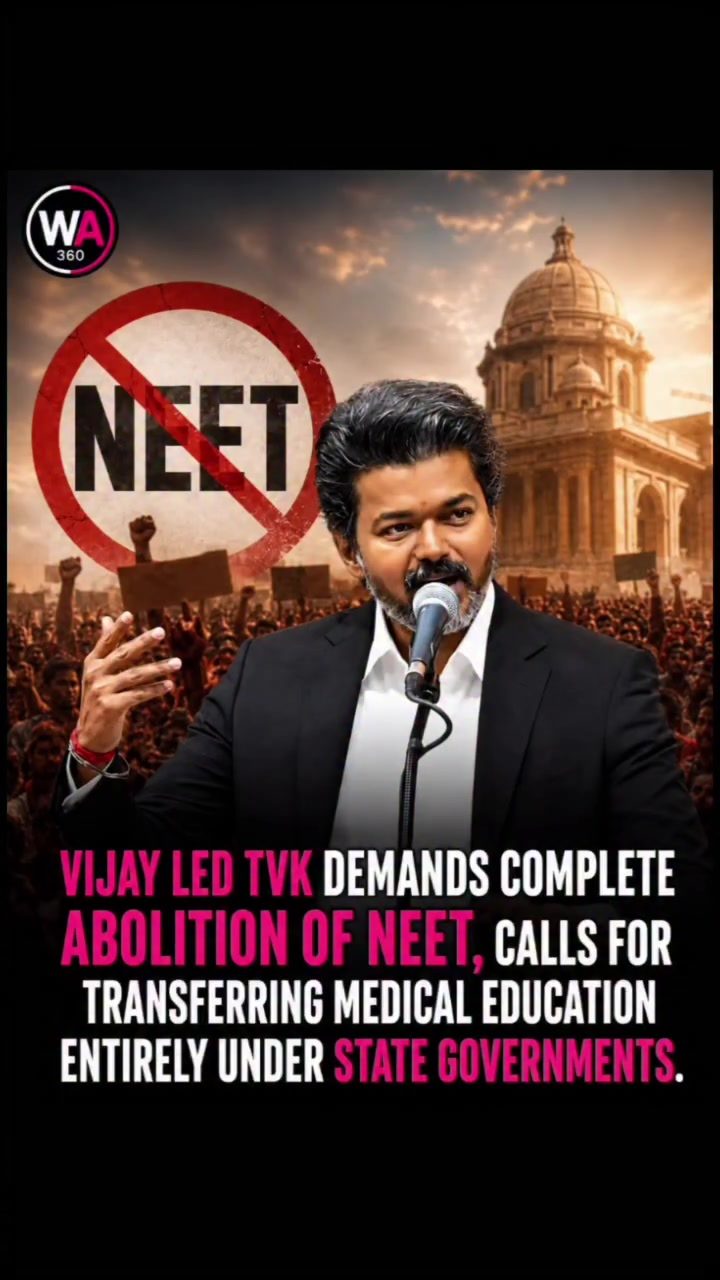
The political rally led by Vijay of the TVK party has renewed the debate over the future of India's medical entrance system, specifically the National Eligibility cum Entrance Test (NEET). The party has called for the complete abolition of NEET and the transfer of medical education control to state governments. This contentious issue has sparked intense discussions among students, parents, educators, and policymakers, highlighting the complexities and stakes involved in medical admissions.
Why this matters
The debate over NEET and state control of medical education is crucial for several reasons. Firstly, medical education is a critical component of India's healthcare infrastructure. The quality and accessibility of medical education directly impact the healthcare services available to the population. Secondly, the admission process for medical colleges is a highly competitive and emotionally charged issue for students and their families. The outcome of this debate will shape the future of medical education and healthcare in India.
NEET: An Overview
NEET, or National Eligibility cum Entrance Test, is a nationwide examination conducted for admission to undergraduate medical courses in India. Introduced in 2013, NEET aims to standardize the admission process by replacing multiple state-level exams with a single, unified test. This ensures a level playing field for students across the country and minimizes malpractices.
Uniform Standards vs. Regional Needs
The primary argument in favor of NEET is the establishment of uniform standards. Critics of state-controlled admissions point out that regional differences in educational standards and resources could lead to discrepancies in the quality of medical education. NEET ensures that all students, regardless of their geographical location, are evaluated based on the same criteria.
However, proponents of state control argue that regional needs and educational priorities are best addressed by state governments. Each state has unique healthcare challenges and educational infrastructure, and local authorities are better equipped to manage admissions based on these specific requirements.
State Control of Medical Education
Benefits of State Control
Advocates for state control of medical education argue that it allows for more tailored and responsive educational policies. States can design admissions processes that reflect local needs, such as prioritizing admissions from rural areas to address regional healthcare imbalances. This approach could lead to a more equitable distribution of medical professionals, ensuring that rural and underserved communities are adequately served.
Furthermore, state control could enhance access to medical education for students from marginalized backgrounds. States can implement reservation policies and other affirmative actions more effectively, ensuring that underrepresented groups have fair access to medical education.
Challenges of State Control
The primary concern with state control is the potential for disparities in educational standards. Without a unified examination system, there is a risk that some states may have higher standards than others, leading to inconsistencies in the quality of medical education. This could adversely affect the overall healthcare system, as medical professionals from state systems may have varying levels of competency.
Additionally, state control could exacerbate the brain drain from rural areas to urban centers. If state governments prioritize admissions from specific regions, it could lead to an overconcentration of medical professionals in urban areas, further widening the healthcare disparity between rural and urban populations.
Practical Tips for Students and Parents
Given the ongoing debate, it is essential for students and parents to stay informed about the latest developments. Here are some practical tips to navigate the current landscape:
Stay Informed
Keep track of any updates or changes in the admission policies. Follow reliable news sources and official announcements from educational authorities. Being informed will help you make better decisions and prepare effectively for the admission process.
Seek Professional Guidance
Consult with educational counselors and experts who can provide tailored advice based on your specific situation. They can help you understand the implications of the admission policies and guide you through the process.
Prepare for Multiple Scenarios
Given the uncertainty, it's wise to prepare for multiple admission scenarios. Focus on your studies and aim for excellence, regardless of the system in place. This approach will ensure that you are well-prepared for any eventuality.
Engage with the Community
Join discussions and forums where the issue is being debated. Participate in community meetings and events to voice your opinions and understand different perspectives. Engaging with the community can provide valuable insights and support during this challenging time.
Important Takeaways
The debate over NEET and state control of medical education underscores the complexities of balancing uniformity and regional needs. While NEET ensures a standardized approach to medical admissions, state control offers the flexibility to address local healthcare challenges. Each system has its advantages and drawbacks, and the best solution may lie in a hybrid approach that leverages the strengths of both systems.
Conclusion
The future of medical admissions in India remains a subject of national importance. The ongoing debate highlights the need for a thoughtful and inclusive approach that considers the diverse needs of students, parents, educators, and policymakers. As the conversation evolves, it is crucial to stay informed and engaged, ensuring that the best interests of the healthcare system are prioritized.
Watch the Reel
Questions readers ask
What is the NEET exam and why is its abolition being debated?
The NEET (National Eligibility cum Entrance Test) is a national-level medical entrance exam in India. Its abolition is being debated due to concerns about fairness, accessibility, and the potential benefits of transferring control to state governments, as advocated by the TVK party and its leader Vijay.
What are the main arguments for abolishing the NEET exam?
Proponents of NEET abolition, such as the TVK party, argue that the exam creates unnecessary stress for students, and that it disadvantages those from rural or underprivileged backgrounds. They also believe that state governments are better equipped to manage medical education and admissions tailored to local needs.
How would state control of medical education work if NEET is abolished?
If NEET is abolished and control is transferred to state governments, each state would likely develop its own medical entrance exams and admission processes. This could lead to a more diverse range of assessment methods and criteria, potentially benefiting students from different backgrounds.
What are the potential drawbacks of abolishing NEET and transferring control to states?
Critics argue that abolishing NEET could lead to inconsistencies in medical education standards across states. Additionally, wealthy students might gain an unfair advantage if states adopt admission processes that favor local applicants, exacerbating existing inequalities.
What has the TVK party proposed as an alternative to NEET?
The TVK party, led by Vijay, has not yet outlined a specific alternative to NEET in detail. However, they advocate for state governments to take charge of managing medical admissions, suggesting that states would implement their own processes to select candidates for medical courses.
How has the public reacted to Vijay's calls for NEET abolition?
The public reaction has been mixed. While some students and parents support the idea, citing the high stress and competition associated with NEET, others are concerned about the potential lack of standardization and the possibility of increased corruption or favoritism in state-level admissions.
What are the next steps in the debate over NEET and state control of medical education?
The debate is expected to continue with further discussions among policymakers, healthcare professionals, and the public. Potential next steps include legislative proposals, public consultations, and possibly pilot programs in states that support the change, to gather more data and insights before making a final decision.
Related deep dives
Similar reads based on topic and creator.

Recent articles
Fresh deep dives from the latest Reels we unpacked.




Comments
Be the first to comment.