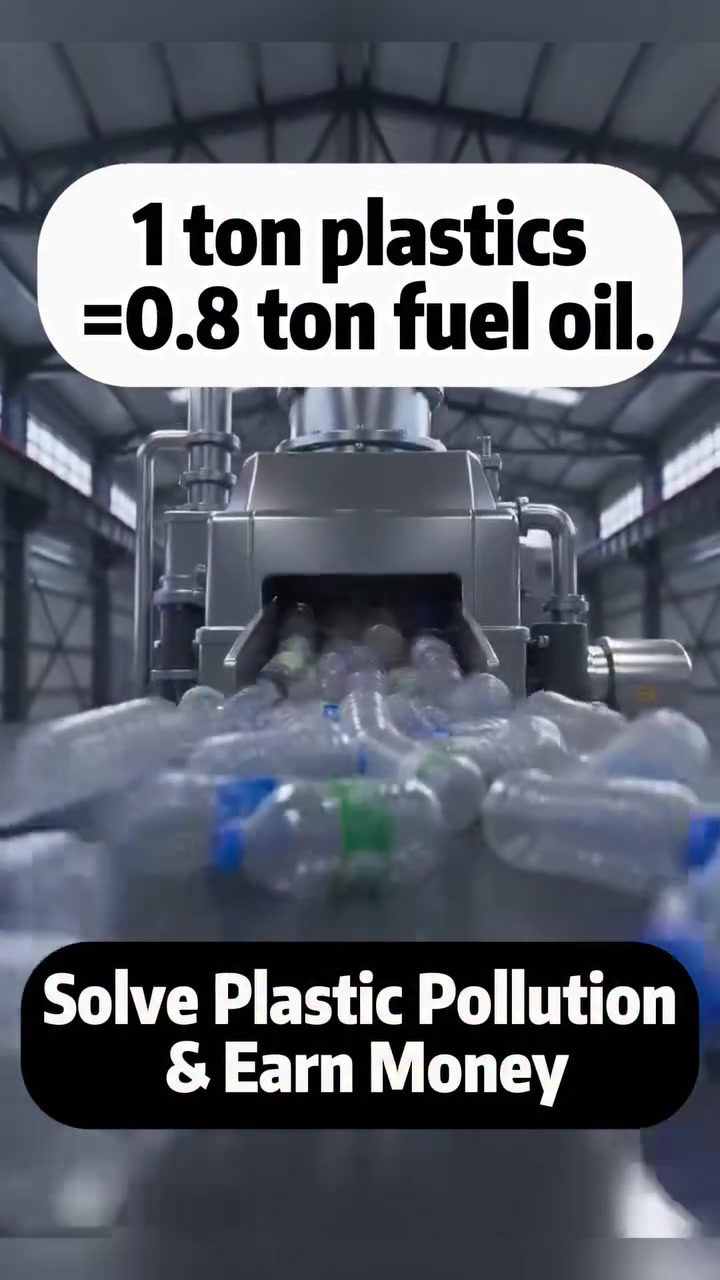
Plastic to Fuel Conversion
Plastic waste is a growing global concern, but advanced technologies are turning this problem into a valuable resource. Waste plastic pyrolysis is one such technology that converts plastic waste into usable fuel oil, combustible gas, and solid residue through a high-temperature, oxygen-free process.
Context / Why This Matters
Plastic pollution is a pressing environmental issue, with millions of tons of plastic waste ending up in landfills and oceans each year. Traditional recycling methods are often inefficient and costly, leading to a significant portion of plastic waste being discarded. Pyrolysis offers a sustainable solution by transforming plastic waste into valuable energy resources, reducing the burden on landfills, and creating a circular economy.
Main Discussion
What is Plastic Pyrolysis?
Plastic pyrolysis is a thermochemical process that decomposes plastic waste in the absence of oxygen at high temperatures. This process breaks down the long polymer chains in plastics into smaller molecules, which can then be converted into fuel oil, combustible gas, and solid residue. The process is particularly effective for certain types of plastics, such as polyethylene (PE), polypropylene (PP), and polystyrene (PS). However, plastics like PVC and PET are not suitable for pyrolysis due to their chemical composition.
The Pyrolysis Process
-
Feeding the Machine: The process begins by feeding plastic waste into an industrial machine designed for pyrolysis. This machine heats the plastic to temperatures ranging from 400°C to 800°C in an oxygen-free environment.
-
Decomposition: At these high temperatures, the plastic waste decomposes into smaller hydrocarbon molecules. These molecules can then be condensed into fuel oil, used to produce combustible gas, or processed into solid residue.
-
Product Yields: The typical product yields from plastic pyrolysis are as follows:
- 45–75% Pyrolysis Oil: This oil can be used as industrial fuel or further refined into higher-value products like diesel or gasoline.
- 10–15% Combustible Gas: This gas can be recycled back into the process to heat the reactor, reducing energy consumption and operational costs.
- 5–10% Solid Residue: This residue can be further processed for various industrial applications, such as construction materials or carbon black.
Benefits of Plastic Pyrolysis
Plastic pyrolysis offers several benefits, making it a viable solution for plastic waste management:
-
Reducing Pollution: By converting plastic waste into usable fuel, pyrolysis helps reduce plastic pollution and the pressure on landfills.
-
Recovering Valuable Resources: The process recovers valuable fuel resources from waste plastics, turning garbage into a renewable energy source.
-
Energy Recycling: The combustible gas produced during pyrolysis can be recycled to heat the reactor, lowering operating costs and improving energy efficiency.
-
Stable and Efficient Operation: Plastic pyrolysis machines are designed for stable and efficient operation, making them suitable for commercial recycling projects.
Practical Tips
If you're considering implementing a plastic pyrolysis plant, here are some practical tips to help you get started:
-
Choose the Right Feedstock: Ensure that the plastic waste you feed into the pyrolysis machine is suitable for the process. PE, PP, and PS are the most effective types of plastic for pyrolysis.
-
Optimize Product Yields: Pay attention to the operating conditions of the pyrolysis machine, such as temperature and feed rate, to maximize the yield of fuel oil and other products.
-
Explore Energy Efficiency: Recycle the combustible gas produced during the process to heat the reactor, reducing your energy costs and improving the sustainability of your operation.
Important Takeaways
-
Plastic Waste as a Resource: Plastic waste is not just garbage; it is a valuable resource that can be converted into fuel oil, combustible gas, and solid residue through pyrolysis.
-
Sustainable Solution: Pyrolysis offers a sustainable solution for plastic waste management by turning waste into energy, reducing pollution, and lowering operational costs.
-
Commercial Viability: The technology is suitable for commercial recycling projects, making it a viable option for businesses looking to reduce their environmental impact and generate income.
Conclusion
Plastic waste management has long been a challenge, but the advancements in plastic pyrolysis technology are turning this problem into a valuable opportunity. By converting plastic waste into usable fuel, pyrolysis not only reduces pollution but also generates income and creates a sustainable future. With the right approach and technology, plastic pyrolysis can be a key component in building a circular economy, turning waste into valuable resources and reducing our reliance on fossil fuels.
Watch the Reel
Questions readers ask
What is plastic waste pyrolysis and how does it work?
Plastic waste pyrolysis is a process that converts plastic waste into fuel oil, combustible gas, and solid residue. It involves heating plastic waste to high temperatures in an oxygen-free environment, breaking down the plastic molecules into smaller hydrocarbons.
What are the main products obtained from plastic waste pyrolysis?
The main products obtained from plastic waste pyrolysis are fuel oil, which can be used as a substitute for conventional fuel, combustible gas, which can be used for heating or generating electricity, and solid residue, which can be used as a raw material in various industries.
Is plastic waste pyrolysis a sustainable solution for plastic pollution?
Yes, plastic waste pyrolysis is a sustainable solution as it reduces the amount of plastic waste sent to landfills and oceans, and converts it into valuable energy resources. This process helps to minimize environmental impact and promotes a circular economy.
What types of plastic can be used in plastic to fuel conversion?
Most types of plastic, including commonly used ones like polyethylene (PE), polypropylene (PP), and polystyrene (PS), can be used in plastic to fuel conversion. However, the efficiency and quality of the fuel produced can vary depending on the type and quality of the plastic waste used.
What are the benefits of using a pyrolysis machine for industrial waste to energy conversion?
Using a pyrolysis machine for industrial waste to energy conversion offers several benefits, including cost savings from reduced waste disposal costs, revenue generation from selling the produced fuel oil and other byproducts, and environmental benefits from reducing plastic waste and emissions.
Can the fuel oil from plastics be used in existing engines and machinery?
The fuel oil produced from plastics can be refined and used as a substitute for conventional fuels in many engines and machinery. However, it is important to ensure that the fuel meets the necessary quality standards and specifications for the intended use.
What happens to the solid residue produced from waste plastic to fuel oil conversion?
The solid residue produced from waste plastic to fuel oil conversion, often referred to as char, can be used as a raw material in various industries. It can be used in the production of activated carbon, as a fuel source, or as a component in construction materials, further promoting resource efficiency and waste reduction.
Related deep dives
Similar reads based on topic and creator.


Recent articles
Fresh deep dives from the latest Reels we unpacked.




Comments
Be the first to comment.