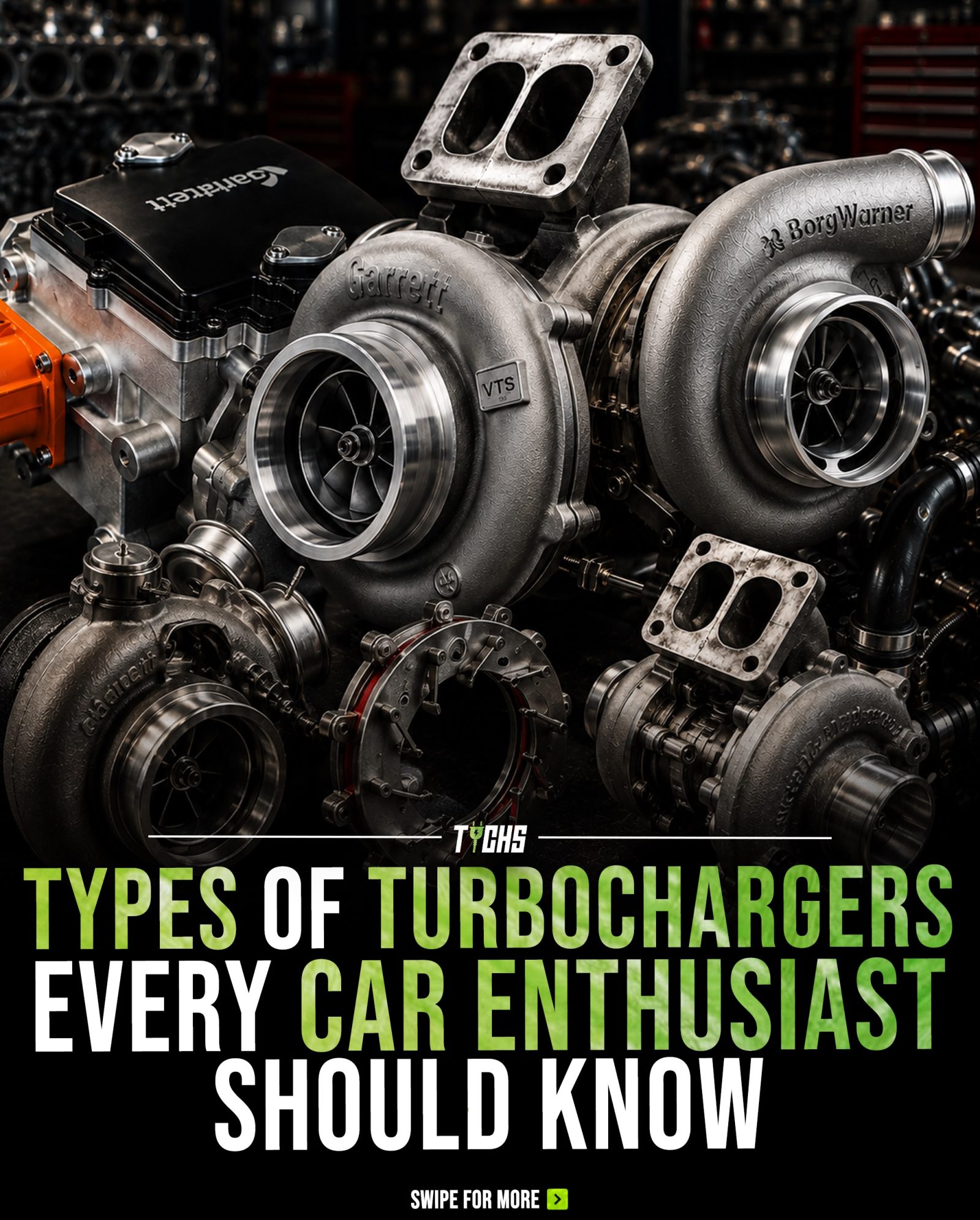
Turbochargers are essential components in modern engines, designed to enhance performance, throttle response, efficiency, and power delivery. They come in various designs, each tailored to meet different driving needs and vehicle types. The most common types include Single Turbo, Twin Turbo, Twin-Scroll Turbo, Variable Geometry Turbo, Variable Twin-Scroll Turbo, and Electric Turbo. Each type employs a unique approach to manage exhaust gases or compressor speed, balancing factors like turbo lag, low-end torque, high-RPM power, fuel efficiency, and overall engine responsiveness. No single turbocharger is universally best; manufacturers select different systems based on performance goals, engine design, emissions requirements, and cost.
Why This Matters
Understanding the different types of turbochargers is crucial for anyone interested in automotive performance. Turbochargers significantly enhance engine power and efficiency, making them a key component in modern vehicles. Whether you're a car enthusiast, a mechanic, or simply curious about how your car works, knowing the distinctions between these turbocharger types can help you make informed decisions about modifications, maintenance, and even vehicle purchases.
Main Discussion
Single Turbo
A Single Turbo is the most basic and common type. It uses a single turbocharger to force more air into the engine, increasing power output. This design is straightforward and cost-effective, making it a popular choice for many vehicles. However, it can suffer from turbo lag, a delay in power delivery that occurs when the turbocharger takes time to spool up and deliver boost. This lag is more noticeable in smaller engines or under heavy acceleration.
Twin Turbo
Twin Turbo systems use two smaller turbochargers instead of one large one. This setup can provide better performance and reduced turbo lag compared to a single turbo. Each turbocharger is typically dedicated to a bank of cylinders, allowing for more efficient gas flow and quicker response times. Twin Turbo systems are often found in high-performance and luxury vehicles, offering a smoother power delivery and enhanced performance.
Twin-Scroll Turbo
A Twin-Scroll Turbo is a more advanced version of the Single Turbo. It uses a divided scroll housing to separate the exhaust gases from different cylinders, directing them to different parts of the turbine wheel. This design improves efficiency and reduces turbo lag by ensuring that the turbine wheel spins more consistently. Twin-Scroll Turbos are often found in modern diesel and gasoline engines, providing a balance of performance and efficiency.
Variable Geometry Turbo (VGT)
A Variable Geometry Turbo (VGT) features movable vanes that can adjust the airflow into the turbine. This allows the turbocharger to optimize performance at both low and high engine speeds. VGTs are particularly effective in diesel engines, where they deliver strong low-end torque and high-end power. The ability to adjust the geometry means that VGTs can provide a more consistent power curve, making them ideal for applications where both low-RPM torque and high-RPM power are needed.
Electric Turbo
Electric Turbos represent a cutting-edge advancement in turbocharger technology. Instead of relying solely on exhaust gases to spin the compressor, an electric motor assists in spinning the turbocharger. This significantly reduces turbo lag by ensuring the compressor is already spinning before exhaust gases build up. Electric Turbos require a 48V electrical system and extra cooling, making them more complex and expensive. However, they offer unparalleled performance benefits, particularly in hybrid and electric vehicles, where instantaneous power delivery is crucial.
Practical Tips
Choosing the Right Turbocharger
When selecting a turbocharger, consider your specific performance goals and driving conditions. For daily driving or moderate performance needs, a Single Turbo or Twin-Scroll Turbo might be sufficient. For high-performance applications, a Twin Turbo or Electric Turbo could be more suitable. VGTs are ideal for diesel engines or applications where a wide power band is required.
Maintenance and Upkeep
Regular maintenance is essential for keeping your turbocharger in optimal condition. Ensure that your turbocharger's oil and coolant systems are functioning correctly, as these components cool and lubricate the turbo unit. Regularly inspect for leaks or damage, and replace any worn-out components as necessary. Following the manufacturer's recommended maintenance schedule will help extend the life of your turbocharger and ensure it continues to perform efficiently.
Enhancing Turbocharger Performance
There are several ways to enhance the performance of your turbocharger. Upgrading to a larger or more efficient turbocharger can provide more power, but it's essential to ensure your engine and exhaust system can handle the increased airflow. Installing a cold air intake system can provide cooler, denser air to the turbocharger, improving performance. Additionally, upgrading your fuel system and exhaust system can help support the increased power output from a more efficient turbocharger.
Considerations for Electric Turbos
Electric Turbos offer significant performance benefits but come with additional considerations. Ensure your vehicle's electrical system can support the 48V requirements, and be prepared for the added complexity and cost of installation. Regular maintenance, including cooling system checks, is crucial for maintaining the longevity and performance of an Electric Turbo.
Important Takeaways
Turbochargers are a critical component in modern engines, providing significant performance and efficiency benefits. Understanding the different types of turbochargers and their unique characteristics can help you choose the right system for your vehicle. Whether you're aiming for improved daily driving performance or high-end racing capabilities, selecting the appropriate turbocharger is key to achieving your goals.
Conclusion
Turbochargers come in various designs, each offering unique advantages and suited to different performance needs. From the basic Single Turbo to the advanced Electric Turbo, each type has its strengths and considerations. Whether you're a car enthusiast looking to upgrade your vehicle or a mechanic seeking to optimize engine performance, understanding the nuances of different turbocharger types is invaluable. By choosing the right turbocharger and maintaining it properly, you can enhance your engine's performance, efficiency, and responsiveness to meet your specific driving needs.
Watch the Reel
Questions readers ask
What are the primary advantages of an Electric Turbocharger over a Variable Geometry Turbocharger?
Electric turbochargers offer quicker response times and reduced turbo lag due to their independent electric motor, eliminating the delay seen in traditional turbochargers. They provide precise boost control and can even function as a generator, recapturing energy that would otherwise be lost. Meanwhile, Variable Geometry Turbos (VGTs) adjust the angle of their vanes to optimize airflow, enhancing efficiency and reducing emissions, especially at low RPMs. Both have their unique benefits and are chosen based on specific vehicle needs.
How does a Twin-Scroll Turbocharger enhance engine performance?
A Twin-Scroll Turbocharger uses two separate scrolls to manage exhaust gas flow, reducing back-pressure and improving throttle response. This design helps to minimize turbo lag by enabling the turbocharger to spool up more quickly, providing a boost in power and torque, especially during acceleration. It's particularly effective in engines with multiple cylinders, balancing exhaust gas pulses to enhance overall efficiency.
Which turbocharger type, Single or Twin, is better for high-RPM power delivery?
For high-RPM power delivery, Twin Turbochargers often outperform Single Turbos. Twin turbo setups allow for smaller, more responsive turbos that can handle higher RPMs without compromising airflow. This setup enables higher peak power and better throttle response, making it ideal for high-performance vehicles. However, Single Turbos can be more cost-effective and simpler to maintain, striking a balance between performance and reliability.
What is the role of exhaust gases in turbocharger operation?
Exhaust gases play a pivotal role in turbocharger operation, driving the turbine wheel and powering the compressor. The exhaust gases from the engine enter the turbocharger, causing the turbine to spin and draw in more air. The compressed air then enters the engine's cylinders, increasing power and efficiency. Effective management of exhaust gases is crucial for optimizing turbocharger performance, reducing turbo lag, and enhancing overall engine responsiveness.
How does a Variable Geometry Turbocharger work to reduce emissions?
A Variable Geometry Turbocharger adjusts the angle of its vanes to control the flow of exhaust gases through the turbine. This adjustment allows for optimal airflow and pressure, improving efficiency and reducing emissions. By optimizing the exhaust gas flow, especially at low RPMs, VGTs can help lower particulate matter and nitrogen oxide emissions, making them a key component in modern engine designs aimed at meeting stringent emissions standards.
Recent articles
Fresh deep dives from the latest Reels we unpacked.




Comments
Be the first to comment.