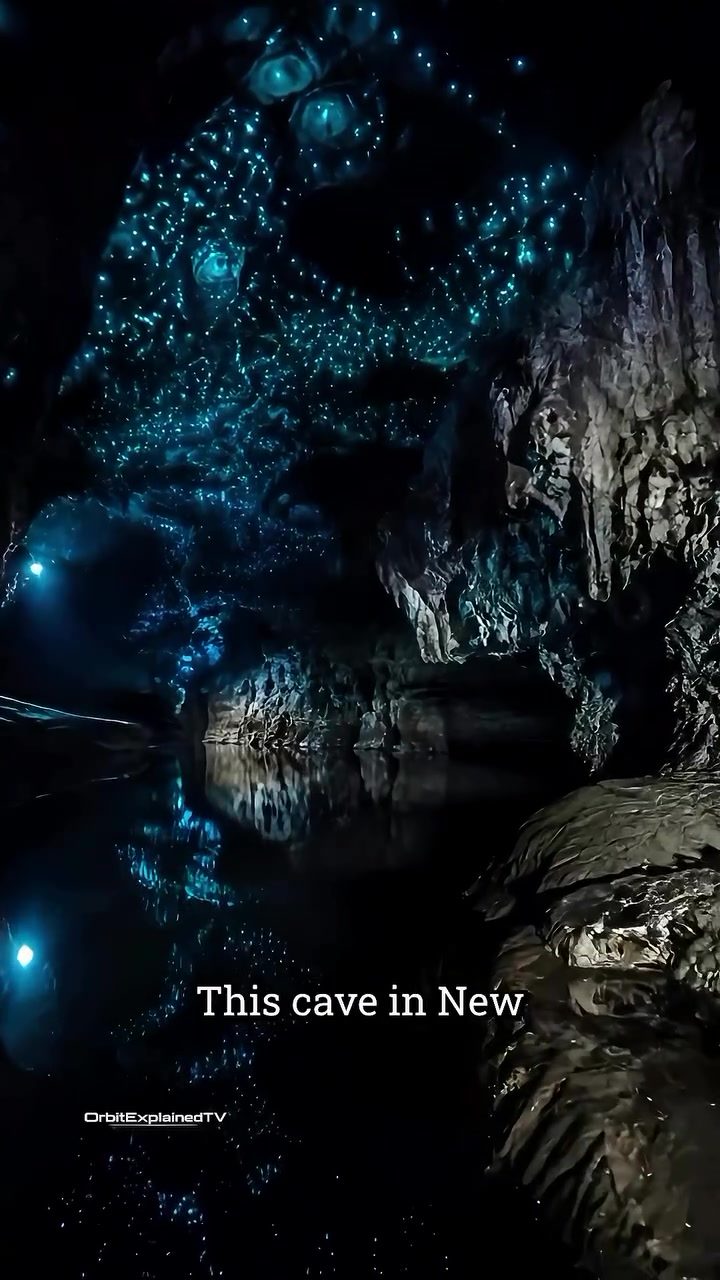
Waitomo Glowworm Caves: A Closer Look at New Zealand's Bioluminescent Wonder
Imagine floating through complete darkness while thousands of tiny living lights cover the ceiling above you. This mesmerizing spectacle exists beneath the ground in New Zealand, in a place known as the Waitomo Glowworm Caves. The sight may resemble a night sky, but the reality is far more intriguing. These are not stars, nor are they actually worms. They are the larvae of a fungus gnat, and their glow serves a fascinating purpose.
Why This Matters
The Waitomo Glowworm Caves offer more than just a visually stunning experience. They provide a unique opportunity to observe a natural phenomenon that is both beautiful and predatory. Understanding the biology and behavior of these bioluminescent creatures can offer insights into the complex ecosystems that thrive in the dark. Moreover, these caves serve as a reminder of how nature can surprise and captivate us with its often hidden wonders.
The Waitomo Glowworm Caves
The Waitomo Glowworm Caves are located in the heart of New Zealand's North Island. These caves are home to thousands of the unique luminous larvae of the fungus gnat. These larvae emit a striking blue-green light, creating an otherworldly atmosphere that has captivated visitors for generations.
The Bioluminescent Organisms
The Waitomo Glowworm Caves are illuminated by the larvae of the fungus gnat. The glow is produced by a chemical reaction within the larvae's body. This bioluminescence is not just a visual spectacle; it serves a crucial purpose in the larvae's survival.
The Predatory Nature of the Glowworms
From the ceiling, these larvae lower dozens of sticky silk threads, resembling fishing lines. Small insects, drawn to the glowing light, fly toward it and become trapped. The larvae then pull their lines back up and consume their caught prey. This predatory behavior is a remarkable example of how nature has adapted to thrive in some of the most challenging environments.
Understanding the Glow
The glow produced by the fungus gnat larvae is a result of a chemical reaction that involves a pigment called luciferin, an enzyme called luciferase, and oxygen. When these components combine, they produce light. This light is not only visually stunning but also serves a crucial role in the larvae's survival. By emitting light, the larvae attract prey, which they then capture using their sticky silk threads.
The Science Behind Bioluminescence
Bioluminescence is a natural process by which living organisms produce and emit light. It is found in various organisms, including bacteria, fungi, insects, fish, and other marine creatures. In the case of the fungus gnat larvae, the bioluminescence is a result of a chemical reaction that involves a pigment called luciferin, an enzyme called luciferase, and oxygen.
The Role of Bioluminescence in Survival
For the fungus gnat larvae, bioluminescence is more than just a visual spectacle; it is a survival mechanism. The light attracts small insects, which the larvae then capture and consume. This predatory behavior is a remarkable example of how nature has adapted to thrive in some of the most challenging environments.
Practical Tips for Visiting the Waitomo Glowworm Caves
Visiting the Waitomo Glowworm Caves is an unforgettable experience. Here are some practical tips to make the most of your visit:
What to Wear
Dress in comfortable, layered clothing. The caves are cool and damp, so it's important to dress appropriately. Avoid wearing bright colors, as they can distract from the natural glow of the larvae.
What to Bring
Bring a water bottle and perhaps a light snack. The tour can take a few hours, and it's important to stay hydrated. A camera is also a good idea, although flash photography is not allowed to preserve the natural lighting conditions.
Be Respectful
Remember that the Waitomo Glowworm Caves are a natural habitat. It's important to be respectful of the environment and follow all guidelines provided by your tour guide.
Important Takeaways
The Waitomo Glowworm Caves offer a unique opportunity to witness a natural phenomenon that is both beautiful and predatory. The bioluminescent larvae of the fungus gnat create an otherworldly atmosphere, attracting visitors from around the world. Understanding the biology and behavior of these creatures can offer insights into the complex ecosystems that thrive in the dark.
The Unique Beauty of the Caves
The Waitomo Glowworm Caves are a testament to the unique beauty of nature. The bioluminescent larvae create a mesmerizing spectacle that is both visually stunning and scientifically intriguing.
Conclusion
The Waitomo Glowworm Caves in New Zealand provide a unique opportunity to witness a natural phenomenon that is both beautiful and predatory. The bioluminescent larvae of the fungus gnat create an otherworldly atmosphere, attracting visitors from around the world. Understanding the biology and behavior of these creatures can offer insights into the complex ecosystems that thrive in the dark. If you ever have the chance to visit, it is an experience you will never forget.
Watch the Reel
Questions readers ask
What are the Waitomo Glowworm Caves known for?
The Waitomo Glowworm Caves are renowned for their breathtaking bioluminescent lights, which create a mesmerizing spectacle in the dark. These lights are produced by the larvae of a fungus gnat, not actual worms. And they are found in abundance on the caves' ceiling.
Why do the glowworm larvae glow?
The glowworm larvae emit light to attract prey. In the dark ecosystem of the caves, the lights lure small insects, which the larvae then capture. This predatory behavior is a key aspect of the glowworm's survival strategy.
What is the best way to experience the Waitomo Glowworm Caves?
Visitors can experience the Waitomo Glowworm Caves through guided tours, which often include a boat ride through the caves. This allows you to see the glowworm larvae up close and witness their bioluminescent display. Some tours may also offer kayaking or abseiling experiences.
Are the Waitomo Glowworm Caves unique to New Zealand?
The Waitomo Glowworm Caves are a unique wonder found in New Zealand. Although bioluminescent organisms are found in other parts of the world, the Waitomo Glowworm Caves offer a distinctive experience with their vast numbers of glowworms and the dark, otherworldly environment.
What should I expect during a glowworm cave tour?
During a glowworm cave tour, you can expect to be led through the dark caves by a guide. You will float on a boat under a ceiling covered with thousands of glowing larvae, creating an ethereal atmosphere. The tour will provide insights into the science behind the glow, the history of the caves, and the ecology of the environment.
Are the glowworms harmful to humans?
No, the glowworms are not harmful to humans. They are tiny, non-aggressive creatures that pose no threat to visitors. Their purpose in glowing is to attract prey, not to interact with humans. However, it is important to respect their habitat and follow the guidelines provided during the tour.
What is the best time to visit the Waitomo Glowworm Caves?
The Waitomo Glowworm Caves can be visited year-round, and the glowworms are present throughout the year. However, the best time to visit is during the evening or night, as the bioluminescent display is more visible in the dark. The caves are open for tours, providing a unique experience at any time of the year.
Related deep dives
Similar reads based on topic and creator.




Recent articles
Fresh deep dives from the latest Reels we unpacked.




Comments
Be the first to comment.