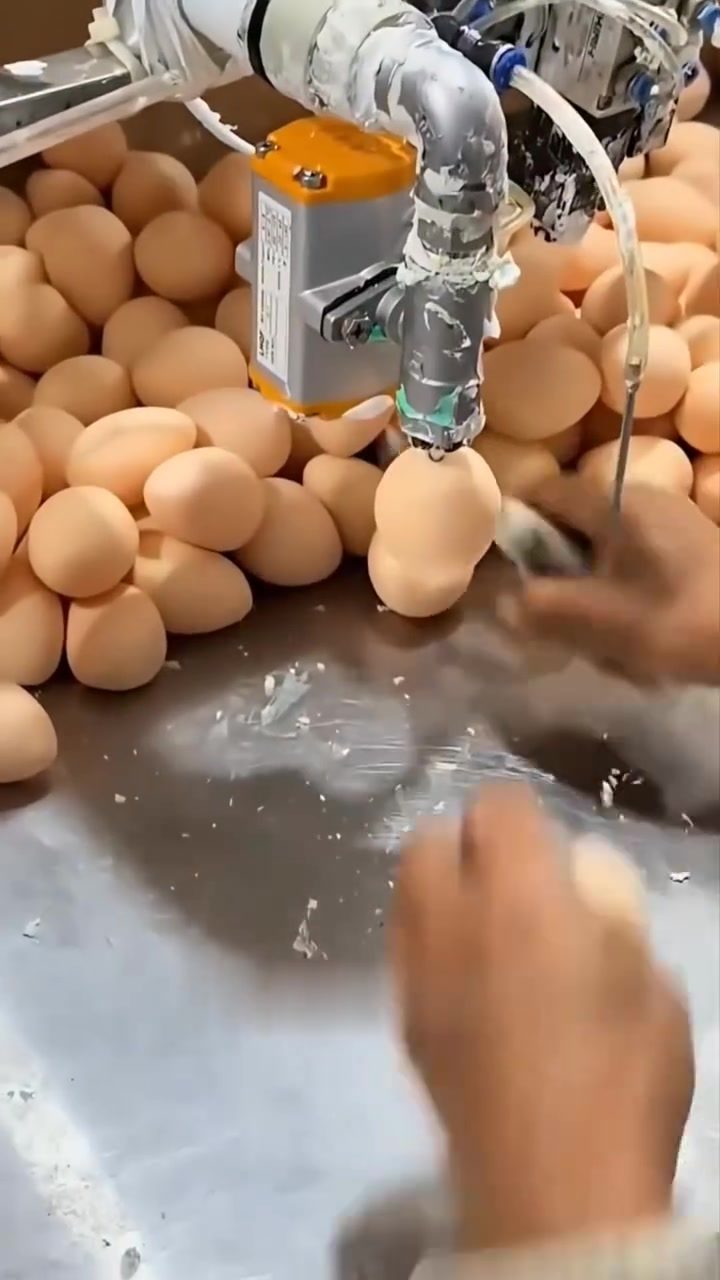
The Truth About Fake Eggs
Ostrich eggs are renowned for their size and unique characteristics. However, the world of eggs extends beyond the natural, with fake eggs often mistaken for real ones. These fake eggs, often referred to as nest eggs or display models, serve various purposes and can be remarkably convincing. Their creation process is straightforward yet ingenious, involving a few simple steps that result in a convincingly realistic shell and yolk.
Context / Why this matters
The misconception surrounding fake eggs is significant, given their widespread use in different contexts. Understanding the truth behind these eggs is essential for consumers, producers, and anyone involved in the food industry. Fake eggs are not just novelties; they play crucial roles in various applications, from encouraging hens to lay eggs to serving as display models.
Main discussion
The Craftsmanship behind Fake Eggs
Creating fake eggs is an art that involves a few key steps. The process begins with forming the shell. A quick poke and a blast of air can create a soft eggshell in just a few seconds. The yolks are even easier to make. By pouring yellow liquid into a spoon and swirling it in water, two perfect yolks can appear almost instantly. Finally, adding the egg white into a mold completes the process, resulting in a whole, convincing egg.
The Robust Nature of Fake Eggs
The durability of these fake eggs is astonishing. Some are so tough that they won't even crack under extreme pressure, such as an excavator driving over them. The resilience of these eggs is often compared to that of real ostrich eggs, which are known for their robustness. This durability is a testament to the craftsmanship and materials used in their creation.
The Purpose and Profitability of Fake Eggs
The misconception around fake eggs often revolves around their purpose. These eggs are not typically sold as food but serve specific functions. They are often used as nest eggs to encourage hens to lay more eggs or as display models. The cost of producing real eggs is significantly lower, making it unprofitable to create fake eggs for food sales. Therefore, the primary use of fake eggs lies in their industrial and display applications, not as a substitute for real eggs in the food industry.
Practical tips
If you encounter fake eggs, it's essential to understand their purpose and the context in which they are used. Here are a few practical tips:
- Identify the purpose: Determine if the fake eggs are used as nest eggs, display models, or toys. This knowledge will help you understand their intended use.
- Recognize the craftsmanship: Appreciate the artistry behind creating these eggs, which involves precise techniques to form the shell, yolk, and overall structure.
- Understand the durability: Fake eggs are incredibly resilient and can withstand significant pressure, making them suitable for specific industrial applications.
Important takeaways
Fake eggs, often mistaken for real ones, serve various purposes in the food industry and beyond. Their creation involves a straightforward yet ingenious process, resulting in remarkably convincing replicas. Understanding the truth behind fake eggs is crucial for consumers and industry professionals alike. The misconception surrounding these eggs often lies in their purpose, which is primarily for encouraging hens to lay eggs, display, and toy models, not as substitutes for real eggs in the food industry.
Conclusion
In conclusion, fake eggs are a fascinating aspect of the food production industry, showcasing both ingenuity and practical application. By understanding their creation process, durability, and purpose, we can appreciate their role in the industry and the science behind their creation. Whether you're a consumer or an industry professional, recognizing the truth about fake eggs can enhance your understanding of the broader world of food production.
Watch the Reel
Questions readers ask
What are fake eggs and why are they used?
Fake eggs, also known as nest eggs, are designed to closely resemble real eggs and are used for various purposes. These include encouraging hens to lay more eggs, serving as display models, and aiding in the art and decoration processes. Their durability makes them ideal for these roles.
What are the differences between real eggs and fake eggs?
While fake eggs mimic the appearance of real eggs, they lack the internal structure and contents of true eggs. Real eggs contain a yolk, albumen, and shell, while fake eggs are typically hollow or contain a solid interior, and are not suitable for consumption.
How are fake eggs made?
The process of creating fake eggs is relatively simple. It involves molding a shell-like exterior, often using materials like plaster or resin, and sometimes adding a yolk-like core. The goal is to create a convincing exterior that mimics a real egg's appearance and texture.
What are the benefits of using fake eggs in agriculture?
In agriculture, fake eggs are used to encourage hens to lay more eggs by providing a visual cue. This practice is particularly useful in poultry farming, where maintaining a consistent laying schedule is important for productivity.
What are the common uses of fake eggs in art and decoration?
Fake eggs are often used in art and decoration for their realistic appearance and durability. Artists and decorators use them in various projects, such as sculptures, installations, and decorative arrangements, without the risk of spoilage or damage that real eggs would present.
Can fake eggs be used in cooking or baking?
No, fake eggs cannot be used in cooking or baking. They are designed for display and decorative purposes only. Unlike real eggs, they do not contain the necessary proteins, fats, and other components required for culinary uses.
Are fake eggs harmful to pets or children?
Fake eggs are generally harmless if used as intended. However, they should be kept out of reach of young children and pets to prevent accidental ingestion. While not toxic, the materials used in their creation are not meant for consumption and could pose a choking hazard.
Recent articles
Fresh deep dives from the latest Reels we unpacked.




Comments
Be the first to comment.