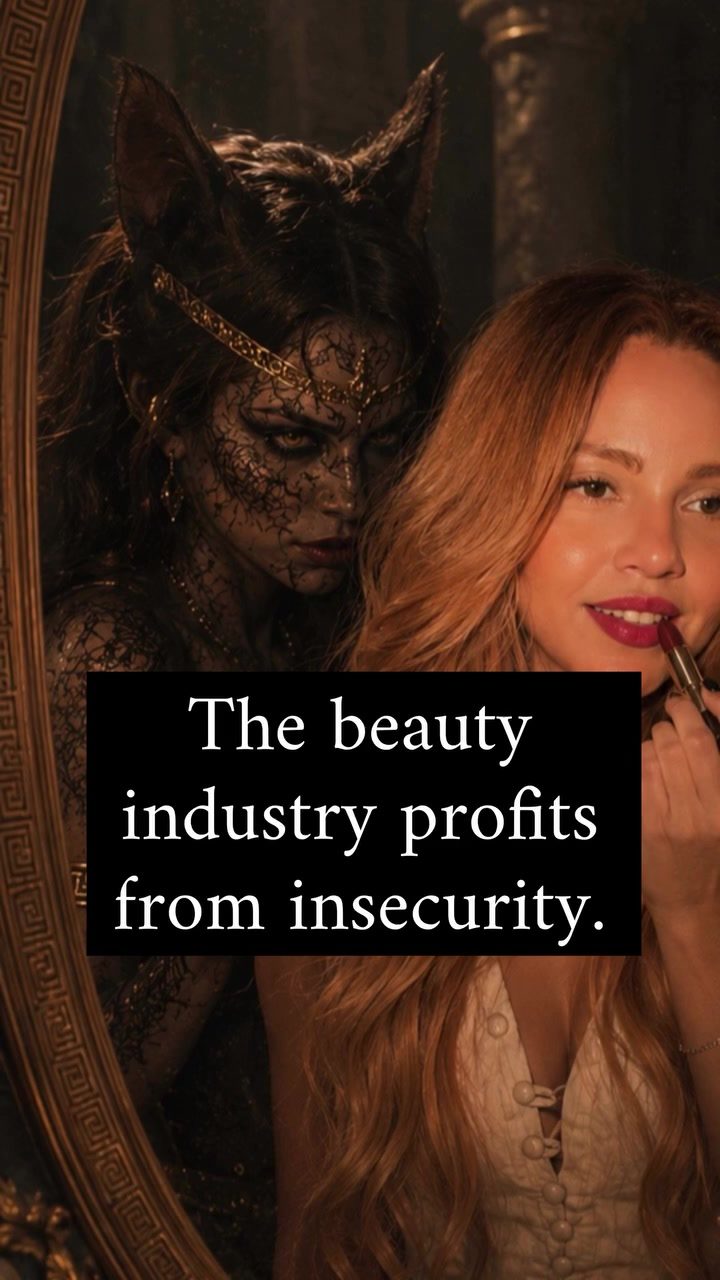
Beauty Industry Practices: A Critical Look at Ingredients and Hormonal Health
Beauty products promise to enhance our appearance, but many are not as beneficial as they claim. The beauty industry often exploits our insecurities, selling products that can cause more harm than good. This cycle of false promises and hidden risks is a growing concern, with many consumers developing hormonal issues and long-term health problems. Let's examine why ingredients matter, the impact of the beauty industry on hormonal health, and how to make informed choices.
Why This Matters
The beauty industry is a multi-billion-dollar market, with countless products designed to address various insecurities. However, many of these products are formulated to prioritize shelf life, texture, and profit over long-term health. This approach often leads to the inclusion of potentially harmful ingredients that can disrupt hormonal balance and cause issues like painful periods, PCOS, and infertility. Understanding the ingredients in cosmetic products is crucial for maintaining overall health and well-being.
The Beauty Industry and Insecurities
The Business of Making You Unhappy
The beauty industry profits from our insecurities by creating a never-ending cycle of false promises. Products are marketed to address specific concerns, but often fall short of their claims. Instead, these products may contain ingredients that exacerbate the very issues they claim to solve. Consumers are left feeling dissatisfied, driving them to purchase more products in search of a solution. This cycle not only leads to financial waste but also has significant health implications.
The Role of Ingredients in Cosmetic Products
Ingredient labels on cosmetic products are often filled with complex chemicals that many consumers do not understand. This lack of understanding can lead to the use of potentially harmful substances. For instance, many formulations prioritize factors like shelf life, texture, and profit over long-term health. Ingredients such as parabens, phthalates, and synthetic fragrances are common in beauty products and have been linked to hormonal disruptions. These chemicals can interfere with the body's natural hormonal balance, leading to a range of health issues, including PCOS, infertility, and other reproductive problems.
The Hidden Costs of Beauty Standards
Societal beauty standards often dictate that flawless skin, silky hair, and a youthful appearance are essential. To meet these standards, consumers are often encouraged to use a variety of beauty products. However, many of these products contain ingredients that can cause more harm than good. For example, harsh chemicals in skincare and makeup products can lead to skin irritation, allergic reactions, and long-term skin damage. The pressure to adhere to these standards can also lead to the use of potentially dangerous ingredients in an attempt to achieve the desired results.
The Impact of the Beauty Industry on Hormonal Health
PCOS and Fertility Issues
Polycystic ovary syndrome (PCOS) is a common hormonal disorder that affects many women. Symptoms include irregular periods, excess androgen (male hormone), and polycystic ovaries. The beauty industry's use of certain ingredients can exacerbate these symptoms and contribute to the development of PCOS. For example, endocrine disruptors in beauty products can interfere with the body's hormonal balance, leading to an increase in androgen levels and the development of PCOS symptoms.
Fertility issues are also a significant concern for many women. Hormonal imbalances caused by the use of certain beauty products can impact fertility, making it difficult for women to conceive. Ingredients that interfere with the body's natural hormonal balance can affect the menstrual cycle, ovulation, and overall reproductive health. Women struggling with fertility issues should be particularly cautious about the ingredients in their beauty products and seek out safer alternatives.
What Can You Do to Optimize Your Hormonal Health?
Start by examining the ingredients in your cosmetic products. Look for products that are free from potentially harmful chemicals and opt for natural, organic alternatives. Organic ingredients are less likely to contain endocrine disruptors and other harmful substances. By making informed choices, you can optimize your hormonal health and reduce the risk of developing issues like PCOS and infertility.
Practical Tips for Choosing Safer Beauty Products
Read Ingredient Labels
Reading ingredient labels is a crucial step in choosing safer beauty products. Look for products that are free from potentially harmful chemicals such as parabens, phthalates, and synthetic fragrances. These ingredients are known to disrupt hormonal balance and can have negative health implications. Instead, opt for products that contain natural, organic ingredients. Natural ingredients are less likely to contain harmful substances and are generally gentler on the skin.
Choose Natural and Organic Products
Natural and organic beauty products are formulated with ingredients derived from natural sources. These products are less likely to contain potentially harmful chemicals and are generally gentler on the skin. Look for certified organic products that are free from synthetic ingredients and have been tested for safety. By choosing natural and organic beauty products, you can optimize your hormonal health and reduce the risk of developing issues like PCOS and infertility.
Look for Products Free from Endocrine Disruptors
Endocrine disruptors are chemicals that interfere with the body's natural hormonal balance. These chemicals can be found in many beauty products and have been linked to a range of health issues, including PCOS and infertility. Look for products that are free from endocrine disruptors and opt for safer alternatives. By choosing products that are free from these harmful chemicals, you can optimize your hormonal health and reduce the risk of developing hormone-related issues.
Seek Professional Advice
If you are struggling with hormone-related issues, seeking professional advice from a healthcare provider can be beneficial. Healthcare providers can offer guidance on choosing safer beauty products and provide personalized recommendations based on your specific needs. They can also help you identify any underlying health issues that may be contributing to your symptoms and provide treatment options to optimize your hormonal health.
Important Takeaways
The beauty industry's practices often prioritize profit over consumer health. Many cosmetic products contain ingredients that can disrupt hormonal balance and cause long-term health issues. By reading ingredient labels, choosing natural and organic products, and avoiding endocrine disruptors, you can make more informed decisions about the products you use. For those struggling with hormonal issues, seeking professional advice and opting for safer alternatives can significantly improve health outcomes. Remember, painful periods, PCOS, and infertility are not a normal part of life. It is essential to optimize your hormonal health by choosing safer, more informed beauty products.
Conclusion
Making informed choices about beauty products is crucial for maintaining hormonal health. The beauty industry often exploits insecurities and sells products that can cause more harm than good. By prioritizing natural, organic ingredients and avoiding potentially harmful chemicals, you can optimize your hormonal health and reduce the risk of developing issues like PCOS and infertility. Start examining the ingredients in your beauty products today and make choices that support your overall health and well-being.
Watch the Reel
Questions readers ask
What are some common ingredients in beauty products that can disrupt hormonal health?
Ingredients like parabens, phthalates, and synthetic hormones, such as estrogen-like compounds, are commonly found in beauty products. These chemicals can mimic or interfere with natural hormones in the body, leading to imbalances and potential health issues. Always check the labels for these substances.
How does the beauty industry contribute to hormonal imbalances?
The beauty industry often prioritizes profit, shelf life, and texture over consumer health. Many products contain hidden chemicals that can disrupt hormonal balance. Industry practices, such as using endocrine disruptors, contribute to the widespread use of harmful ingredients in products that consumers apply daily, causing long-term health problems.
Can beauty products exacerbate conditions like PCOS?
Yes, hormonal imbalances caused by beauty products can exacerbate conditions like Polycystic Ovary Syndrome (PCOS). Ingredients that disrupt hormonal balance can worsen symptoms such as irregular periods, acne, and excess hair growth. Choosing products free from harmful chemicals is essential for managing such conditions.
What should I look for on beauty product labels to ensure they are safe for hormonal health?
To make informed choices, look for products labeled 'paraben-free,' 'phthalate-free,' and 'hormone-free' . Additionally, seek out products with recognizable, natural ingredients and those certified by reputable organizations like the Environmental Working Group (EWG) or the Environmental Protection Agency (EPA) for being less harmful.
Are there specific beauty products more likely to contain hormone-disrupting chemicals?
Products that are applied frequently or left on the skin for extended periods, like makeup, skincare, and hair care products, are more likely to contain hormone-disrupting chemicals. Moisturizers, lotions, and sunscreens also often harbor harmful ingredients that can negatively impact hormonal health.
How can I protect my hormonal health while using beauty products?
To protect your hormonal health, opt for products with transparent, simple ingredient lists. Choose natural, organic alternatives, and avoid products with known endocrine disruptors. Additionally, consider consulting a healthcare professional for personalized advice on maintaining hormonal balance.
Related deep dives
Similar reads based on topic and creator.

Recent articles
Fresh deep dives from the latest Reels we unpacked.




Comments
Be the first to comment.