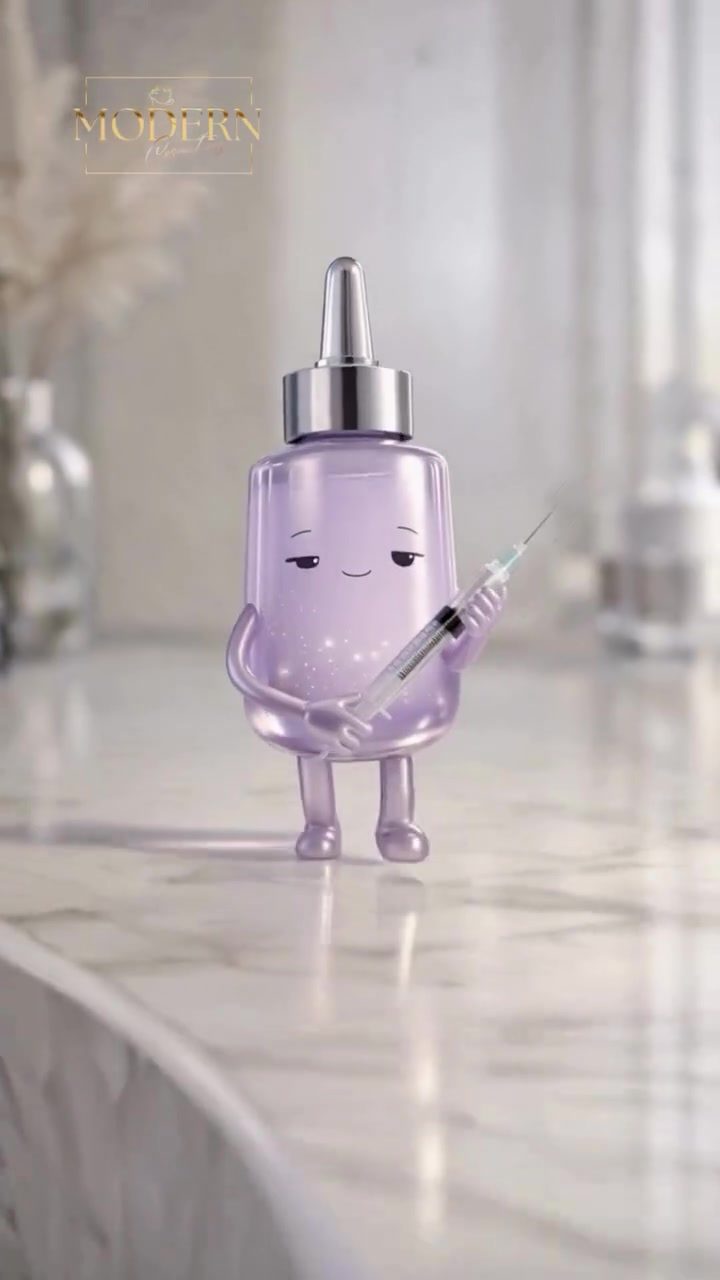
Anti-Wrinkle Treatment: Debunking Myths and Understanding Benefits
Anti-wrinkle treatments are often shrouded in misconceptions, with many believing they freeze facial expressions. The truth is far more nuanced. These treatments are designed to gently relax specific muscles that contribute to dynamic lines—those that form from years of smiling, frowning, and other facial movements. The goal is not to remove movement entirely but to soften the intensity of these lines while maintaining a natural and expressive appearance.
Why This Matters
Understanding the true purpose and benefits of anti-wrinkle treatments is crucial for anyone considering aesthetic medicine. By dispelling common myths, individuals can make informed decisions about their skincare and anti-aging strategies. Moreover, appreciating the role of education in safe and effective aesthetic treatments ensures that people receive the best possible care.
Understanding Anti-Wrinkle Treatments
How Anti-Wrinkle Treatments Work
Modern anti-wrinkle treatments, particularly those involving serums, work by targeting specific muscles responsible for dynamic lines. These lines are caused by repeated facial expressions, such as smiling or frowning. By relaxing these muscles, the treatment softens the appearance of wrinkles without eliminating natural facial movements.
Misconceptions About Anti-Wrinkle Treatments
One of the most prevalent misconceptions is that anti-wrinkle treatments "freeze" the face, making it appear unnatural. However, when administered correctly, these treatments should never result in a frozen or stiff appearance. The key is to achieve a balanced and subtle effect, enhancing natural beauty rather than altering it dramatically.
The Role of Education in Aesthetic Medicine
Education is the cornerstone of safe and effective aesthetic medicine. Understanding the underlying principles and techniques ensures that treatments are administered properly, minimizing risks and maximizing benefits. Knowledge empowers practitioners and patients alike, fostering a collaborative approach to aesthetic enhancements.
Benefits of Education in Aesthetic Treatments
- Informed Decision-Making: Patients who are well-informed can make better decisions about their treatments, selecting options that align with their goals and expectations.
- Safe Practices: Education ensures that practitioners follow best practices, reducing the risk of complications and ensuring optimal outcomes.
- Natural Results: Knowledgeable practitioners can tailor treatments to achieve natural-looking results, enhancing beauty without compromising individuality.
Practical Tips for Anti-Wrinkle Treatments
Consult with a Professional
Before undergoing any anti-wrinkle treatment, it is essential to consult with a qualified professional. An experienced practitioner can provide personalized advice, assess your skin, and recommend the most suitable treatment options.
Consider Your Goals
Think about what you hope to achieve with anti-wrinkle treatments. Whether it's softening lines around the eyes, smoothing forehead wrinkles, or enhancing overall facial harmony, clear goals can help guide the treatment process.
Prioritize Natural Results
Avoid treatments that promise dramatic or unrealistic results. The best anti-wrinkle treatments aim to enhance natural beauty, making you look refreshed and rejuvenated without appearing overly done.
Understand the Process
Be aware of what the treatment entails, including any potential side effects and downtime. This knowledge can help you prepare for the procedure and manage expectations.
Follow Post-Treatment Care
After receiving an anti-wrinkle treatment, follow your practitioner's post-treatment care instructions carefully. Proper aftercare can enhance the effectiveness of the treatment and minimize side effects.
Important Takeaways
Anti-wrinkle treatments are a powerful tool in the realm of aesthetic medicine, offering a way to achieve a more youthful and refreshed appearance. By understanding how these treatments work and dispelling common myths, individuals can make informed decisions about their skincare and anti-aging strategies. Education plays a vital role in ensuring safe and effective treatments, empowering both practitioners and patients to achieve optimal results.
Conclusion
Anti-wrinkle treatments are about more than just reducing the appearance of wrinkles; they are about enhancing natural beauty and maintaining a youthful appearance. By understanding the true purpose of these treatments and the importance of education in aesthetic medicine, individuals can make informed decisions and achieve the best possible outcomes. Embrace the power of anti-wrinkle treatments and enjoy a more refreshed and confident you.
Watch the Reel
Questions readers ask
What are anti-wrinkle treatments and how do they work?
Anti-wrinkle treatments work by targeting specific muscles that cause dynamic wrinkles, which are the lines that appear due to facial expressions. By gently relaxing these muscles, the treatments soften the appearance of wrinkles while allowing for natural facial movement. Anti-wrinkle treatments involve injecting your face with ingredients, such as onabotulinumtoxinA, to create this effect.
Do anti-wrinkle treatments make your face look frozen?
No, the goal of anti-wrinkle treatments is not to paralyze or freeze your face. Instead, the aim is to soften specific muscles that cause wrinkles from repeated facial expressions. This allows for a more natural and expressive appearance, with reduced wrinkles.
What are the benefits of using anti-wrinkle treatments?
Anti-wrinkle treatments offer several benefits, including the reduction of dynamic wrinkles, a more youthful appearance, and a boost in self-confidence. The treatments can help to prevent the formation of deeper wrinkles over time, making them a proactive approach to maintaining a smoother, more youthful appearance. Additionally, they can help maintain a natural facial expression.
How do anti-wrinkle treatments differ from other cosmetic wrinkle treatments?
Anti-wrinkle treatments specifically target dynamic wrinkles caused by facial movements, while other cosmetic treatments might focus on static wrinkles (those present at rest) or overall skin rejuvenation. Anti-wrinkle treatments involve injections that temporarily relax muscles, whereas other treatments might involve fillers, lasers, or surgical procedures.
Are anti-wrinkle treatments suitable for everyone?
Anti-wrinkle treatments are generally suitable for most people who are concerned about dynamic wrinkles and wish to maintain a natural appearance. However, it's essential to consult with a qualified practitioner to determine if the treatment is right for you. Certain medical conditions or medications may affect eligibility for these treatments.
What are some prevention tips for dynamic wrinkles?
To prevent dynamic wrinkles, consider incorporating some simple habits into your daily routine. Protect your skin from the sun with sunscreen and wear sunglasses to shield your eyes. Avoid smoking, as it can accelerate skin aging. Also, maintain a healthy diet and stay hydrated to support overall skin health.
Recent articles
Fresh deep dives from the latest Reels we unpacked.




Comments
Be the first to comment.