Spiders in Your Home: A Hidden Ecosystem
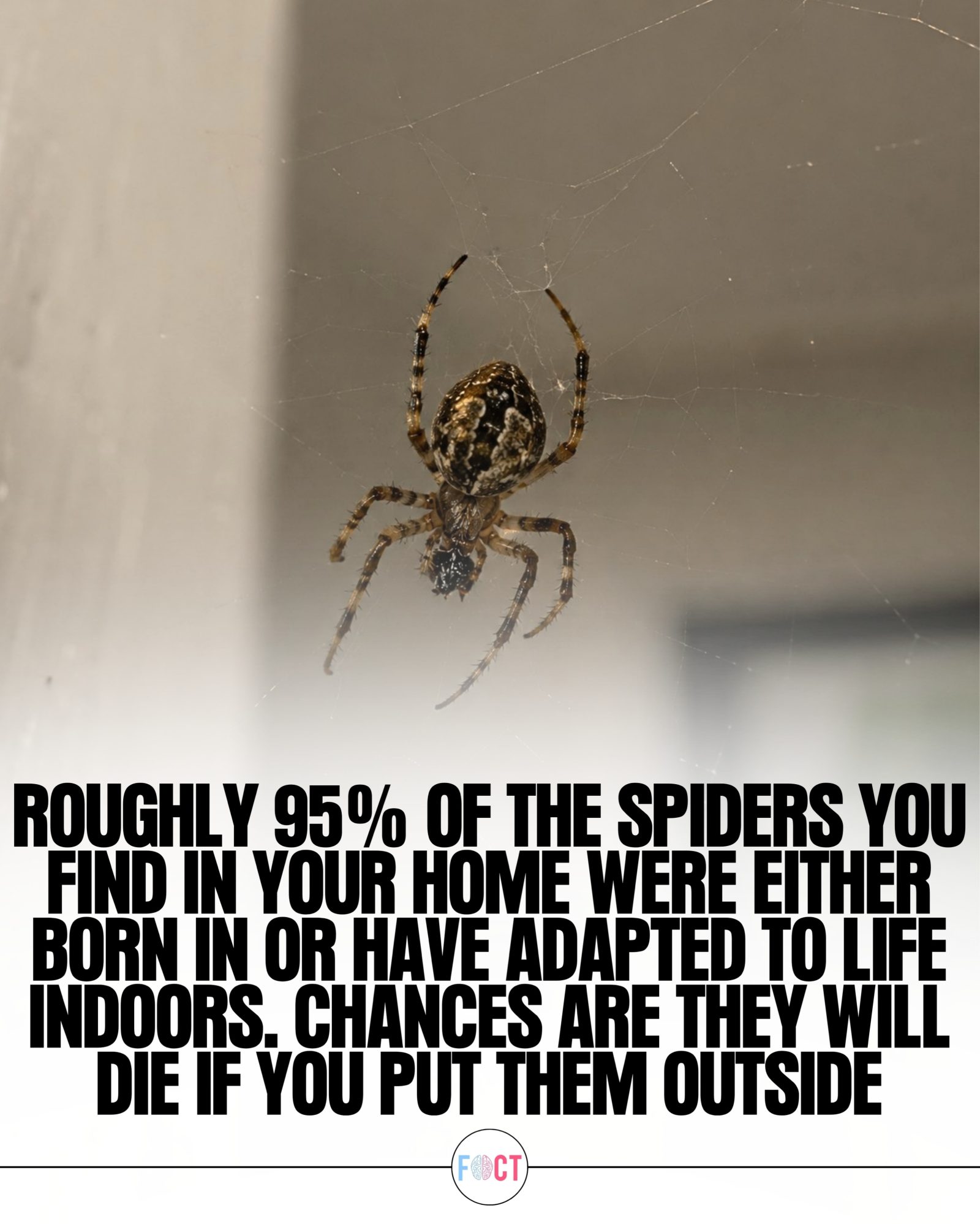
Beneath every roofline and behind every skirting board, a quiet ecosystem thrives. This ecosystem is home to an array of spiders, estimated to number between 50 and several hundred in a typical dwelling. Many of these spiders have adapted specifically to indoor life, making them a common sight in homes. These species occupy ecological niches that are similar to caves or rock crevices, where the steady climate of a house is not a preference but a biological necessity. As a result, evicting a single spider from your bathroom barely affects the household’s overall arachnid population, as these creatures are adept at hiding in places you rarely look.
Why This Matters
Understanding the life of indoor spiders is crucial for several reasons. First, it helps in managing expectations about pest control and coexistence with these creatures. Second, it sheds light on the ecological balance within homes, highlighting the importance of maintaining a harmonious environment. Lastly, it challenges common misconceptions about the survival of spiders when released outdoors, revealing the potential harm in doing so.
The Indoor Spider Ecosystem
Adaptation to Indoor Life
Indoor spiders have evolved to thrive in the controlled environments of homes. Unlike their outdoor counterparts, they face different challenges and have developed unique adaptions to cope with their indoor habitat. These adaptations include the ability to regulate their body temperature in response to the controlled indoor climate and the hunting instincts required to survive in an environment often devoid of natural prey.
Ecological Niches
Indoor spiders occupy ecological niches that are often overlooked. These niches provide them with the necessary conditions for survival, including shelter and a steady food supply. For instance, they often reside in places like attics, basements, and behind furniture, where they are less likely to be disturbed. This adaptation ensures that they can continue to thrive in the controlled climate of a home, unaffected by the harsh weather conditions and predators found outdoors.
Common Species
Common species of indoor spiders include the house spider, the cellar spider, and the hobo spider. These spiders have developed specific traits to survive in indoor environments. The house spider, for example, is known for its web-building abilities, which help it catch prey in confined spaces. The cellar spider, on the other hand, is often found in damp, dark areas like basements and cellars, where it can thrive without natural light.
The Impact of Releasing Spiders Outdoors
Survival Challenges
Many people believe that releasing spiders outside is a humane way to deal with them. However, this action often has unintended consequences. Indoor spiders have specialized so thoroughly for life indoors that they have lost the tools needed to survive outdoors. They struggle to regulate their body temperature against freezing nights or sudden heat, and they lack the hunting instincts to compete for prey in an unfamiliar, predator-filled landscape. As a result, many indoor spiders released outside face a high chance of dying.
Predators and Prey Availability
Outdoors, spiders face numerous threats from birds, wasps, and other predators that they rarely encounter indoors. Additionally, the availability of prey is unpredictable, making it difficult for indoor spiders to adapt to their new environment. This combination of factors makes it challenging for them to survive, leading to a high mortality rate among released spiders.
Safer Alternatives
Instead of releasing spiders outside, consider relocating them to a garage or shed. These places provide a more controlled environment, similar to the indoor conditions spiders are accustomed to. While spiders may not thrive in these environments, they are more likely to survive than if they were released into open air.
Practical Tips for Living with Indoor Spiders
Prevention and Control
While it is impossible to completely eliminate spiders from your home, there are steps you can take to control their population and prevent them from becoming a nuisance. Regularly cleaning and decluttering your home can help reduce the number of hiding spots spiders have available. Additionally, sealing any cracks or gaps in walls and around windows can prevent spiders from entering your home in the first place.
Coexistence
Living with spiders in your home can be a challenge, but it is possible to coexist peacefully. By understanding their habits and providing them with suitable habitats, you can minimize the need to evict them. For example, creating a dedicated area for spiders in your home, such as a corner of your attic or basement, can provide them with a place to live without disturbing your daily life.
Important Takeaways
First, understand the adaptations of indoor spiders. Their specialized traits for indoor life mean they face significant challenges when released outdoors. Second, consider the ecological impact of releasing spiders. The disruption to their ecosystem can lead to a high mortality rate. And third, explore alternatives to releasing spiders, such as relocating them to a more controlled environment, like a garage or shed.
Conclusion
Spiders play a crucial role in the hidden ecosystem of your home. Understanding their adaptations and the challenges they face when released outdoors can help you make informed decisions about how to coexist with them. By creating a suitable environment and minimizing disturbances, you can ensure a harmonious balance between spiders and humans in your home.
Watch the Reel
Questions readers ask
How many spiders can be found in a typical home?
The number of spiders in a typical home can range from 50 to several hundred. This varies based on the size of the home and the availability of suitable habitats for the spiders.
What types of habitats do house spiders prefer indoors?
Indoor spiders often occupy niches similar to caves or rock crevices, such as behind skirting boards, under furniture, and in attics. They thrive in the steady climate provided by homes, which is a biological necessity for many species.
Why is it difficult to control the spider population indoors?
Spiders are adept at hiding in places that are rarely disturbed, such as behind walls and in ceiling corners. Additionally, evicting a single spider does not significantly affect the overall population, as these creatures can quickly repopulate from hidden areas.
What role do indoor spiders play in the household ecosystem?
Indoor spiders contribute to pest control by feeding on other insects such as flies, mosquitoes, and ants. They help maintain a balance in the hidden ecosystem beneath our rooflines, making them an important part of the indoor environment.
How can understanding spiders help with indoor pest management?
Knowing the habits and preferences of house spiders can help in managing their presence. For example, understanding their preferred habitats can guide where to focus cleaning and decluttering efforts to make the home less inviting to these arachnids.
Are there specific spider species that are commonly found in homes?
While the exact species can vary by region, common indoor spiders often found in homes include the American House Spider, Cellar Spider, and the Wolf Spider. These species have adapted to thrive in the controlled climates of homes.
What is the life cycle of a house spider?
The life cycle of a house spider typically involves several stages: egg, spiderling, and adult. Females lay eggs in sacs, which they often protect until the young spiders emerge. The life span of a house spider can range from one to several years, depending on the species and environmental conditions.
Related deep dives
Similar reads based on topic and creator.

Recent articles
Fresh deep dives from the latest Reels we unpacked.




Comments
Be the first to comment.