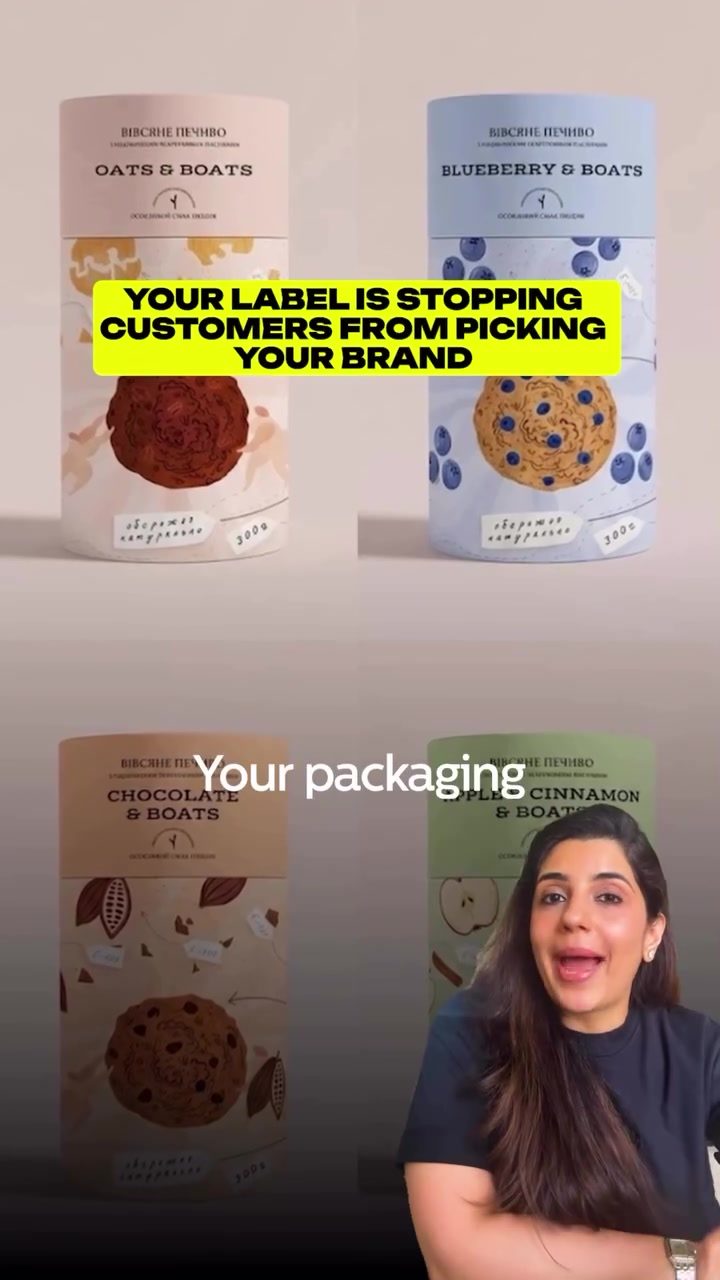
The Impact of Packaging Design on Food Sales
Food brands face a unique challenge in the digital marketplace: how to convey the quality and appeal of their products when customers can't physically interact with them. Packaging design plays a pivotal role in bridging this gap, especially for food and wellness brands. The key is to make the product itself the best salesperson, and that starts with smart packaging choices.
Why This Matters
Packaging is not just about containing the product; it's about communicating the product's value and building trust with consumers. When shopping online, customers rely heavily on visual cues to make purchasing decisions. If your packaging hides the product, you're missing a crucial opportunity to engage potential buyers. This is particularly important for food items, where the visual appeal of the product itself—its color, texture, and quality—can significantly influence purchasing decisions.
The Role of Transparent Packaging
One effective strategy to overcome this challenge is to incorporate transparent elements into your packaging design. This approach allows consumers to see the product, which can build trust and authenticity. Here’s why transparent packaging works:
Building Trust Through Visibility
When consumers can see the product inside the packaging, they gain a sense of transparency and authenticity. This visual cue helps build trust, especially in the digital realm where touch and smell are absent. For instance, brands like Oats and Boats showcasing their cookies in transparent packaging allow customers to see the textures and flavors, making the product more enticing.
Enhancing the Online Shopping Experience
Transparent packaging can simulate the in-store experience, where customers can touch, smell, and see the product. This is especially beneficial for food items, where the appearance and texture are critical. When designing your label, consider leaving some part of the package transparent so consumers can see the product while scrolling through online options.
Key Considerations for Food Brands
Food brands often cover their entire bottle or jar with a label, which can be a mistake. Here are some key considerations to keep in mind:
Shelf Life and Distribution Requirements
While it's true that transparent windows can impact shelf life, the trade-off is often worth it. The impact on sales from increased visibility and trust can outweigh the minor shelf life concerns. Think about the long-term benefits of building customer trust and loyalty.
Designing for Visibility
When designing your label, consider what your product looks like. Sometimes, your biggest brand asset is hiding inside the bottle. A deliberate decision to keep part of the label transparent can make a significant difference in attracting customers.
Branding and Attraction
Incorporate text overlays and visual elements that highlight the product's unique features. For example, brands like "Oats & Boats" and "Obelo Gusto" have used their packaging to showcase different flavors and shapes of their products. Text overlays can further emphasize the quality and appeal of the product, making it stand out in a crowded online marketplace.
Practical Tips for Effective Packaging
Here are some practical tips to enhance your packaging design:
-
Incorporate Transparent Windows: Allow consumers to see the product inside. This can be particularly effective for food items like cookies, pasta, and other visually appealing products.
-
Highlight Key Features: Use text overlays and visuals to emphasize the product's unique features. This can include flavors, textures, and ingredients.
-
Think About Shelf Life: While transparent packaging can impact shelf life, consider the benefits of increased sales and customer trust.
-
Design for Online Visibility: Ensure that your packaging is eye-catching and informative, even in a small thumbnail. This can make a significant difference in online shopping platforms.
-
Build Trust Through Authenticity: Make sure your packaging design conveys authenticity and trust. Transparent packaging can help achieve this by allowing consumers to see the product.
Important Takeaways
Food brands face unique challenges in the digital marketplace, but smart packaging design can help overcome these hurdles. Incorporating transparent elements into your packaging can build trust and authenticity, making your product more appealing to online shoppers. By considering the visual appeal of your product and designing with transparency in mind, you can enhance the online shopping experience and increase sales.
Conclusion
Packaging design is a critical aspect of food branding, especially in the digital age. By leveraging transparent packaging and thoughtful design choices, food brands can make their products stand out and build trust with consumers. Whether you're showcasing the vibrant colors of "Oats & Boats" cookies or the variety of "Obelo Gusto" pasta, transparent packaging can be a game-changer in enhancing the online shopping experience.
Watch the Reel
Questions readers ask
How can food packaging design boost online sales?
Food packaging design can boost online sales by showcasing the product effectively, communicating its quality and appeal, and building trust with consumers. Since customers can't physically interact with products online, packaging becomes a crucial tool for attracting and retaining customers.
What makes packaging designs trustworthy to consumers?
Trustworthy packaging designs are transparent, highlighting the product itself, and use clear, honest labeling. They also maintain consistency in branding and use high-quality materials to convey the value of the product and the brand's commitment to quality.
How should I design packaging for products like cookies and pasta?
For products like cookies and pasta, consider window packaging or clear panels to showcase the product itself. Use attractive, high-quality label designs that clearly convey the product's features and benefits. Ensure the packaging is easy to open and resealable if necessary, to enhance the user experience.
What are the key elements of effective packaging for oats and other dry goods?
Effective packaging for oats and other dry goods should prioritize clarity and simplicity in design, using clear labeling to communicate nutritional information and benefits. It should also consider functionality, such as easy pouring or resealable options, and use eco-friendly materials when possible to appeal to environmentally conscious consumers.
Why is it important to showcase the product in its packaging?
Showcasing the product in its packaging is important because it allows potential buyers to see what they're purchasing, especially in the online market where physical interaction is not possible. This helps to build trust, as customers can evaluate the product's quality and appeal, and it increases the likelihood of a sale.
Recent articles
Fresh deep dives from the latest Reels we unpacked.




Comments
Be the first to comment.