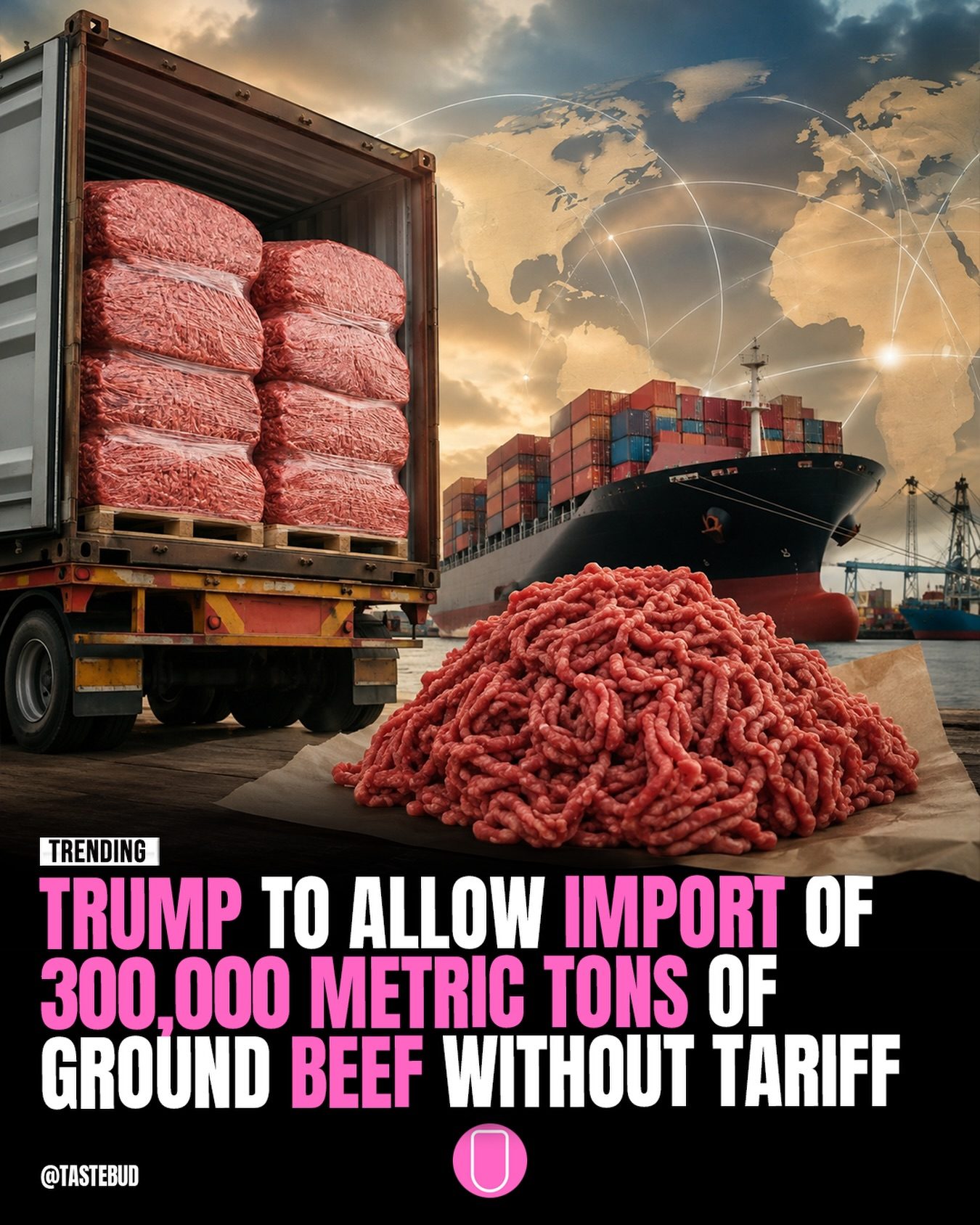
A Shift in US Beef Policy
The Trump administration announced a significant policy change that has triggered a new epoch in American agriculture and trade. The policy will allow the import of 300,000 metric tons of ground beef into the country. This sizeable importation could mitigate domestic shortages. The text overlaid on the visual frames underscores a crucial detail: the beef will come without tariffs, giving American consumers an unexpected price break. The beef industry already faced substantial shifts in market dynamics from droughts and other external stresses. Imported beef will ease the stress on domestic producers. This move is bound to have a profound impact on the market, both in terms of availability and price fluctuations. The move further underlines the geopolitical implications of trade policies. The decision will impact US ranchers who've had to grapple with imported products. Many US ranches are likely to receive less market support for beef production. The administration’s decision may indeed look like an extension of global trade liberalization trends. The system of tariffs was originally designed to enable American producers while shielding them from imported products. However, the present administration has actively reversed this with significant changes.
Tariff-Free Imports: Economic and Societal Insights
The absence of tariffs on imported ground beef opens up an economic pathway that could have far-reaching consequences. The move has implications that go beyond the mere economics of supply and demand. The country's food system has an inherent tax on goods in the form of tariffs. By eliminating these taxes on the import of this product, the administration has taken a dramatic step towards greater economic liberty. The economic impact of this move is multifaceted. The domestic beef market could be vulnerable to significant market fluctuations. The removal of tariffs could change the equilibrium between domestic production and imports, driven by cost differentials. Consumers who are price-sensitive will experience a sudden, possibly temporary, decline in beef prices. Conversely, US beef producers may find themselves in a situation where they need to adapt to shifting market demands and production levels. On the societal front, this policy could reshape dietary habits. Access to a wider variety of beef products could influence how Americans consume beef at home, at events, or in restaurants. For such a common food, the policy might have an effect on dietary behaviors. The decision could also end up marketing this as a global product. It will be interesting to see how consumers will incorporate this into their diets.
International Trade Implications
The import policy pertains to international trade negotiations and their impact on US agricultural trade. The Trump administration has not been shy about engaging with trade liberalization. This beef import policy is indicative of the broader trend in global liberalization of trade. It represents a slight shift from the protectionist approach. Ranchers will have to rethink their strategy. For the first time, American ranchers and consumers alike will have to navigate this new geopolitical territory. The transition from a protected market to an open import market is bound to bring a shift in the beef industry landscape. This policy will likely manifest some hardships for American ranchers. Ranchers in the southern US states may feel the most significant impact. The competitive edge of domestic beef producers is under threat from international competition.
Long-Term Market Effects
The long-term effects of this policy remain uncertain. One can only speculate on the economic and social impacts of this policy. The policy potential benefits come with considerable risks, including market overdependence on imports and prolonged economic shifts. The absence of tariffs on imported beef could lead to an overreliance on foreign beef products. The US beef market has to adjust to this shifting landscape. A long-term impact could take the form of reduced domestic production capacity. American ranchers may have to confront reduced market support for beef production. This could mean decreased government subsidies or pricing strategies that favor imported beef. The US beef industry has historically relied heavily on government support, making this transition even more challenging. Moreover, shifts in consumer behavior could also occur and persist. Imported beef might become a preferred choice due to lower prices. If consumer habits change permanently, American ranchers might face long-term economic hardships. The landscape of US beef consumption could become irrevocably transformed. If consumer demand persists, the market might stabilize to new levels. The supporting role of tariffs has often been the buffer between domestic producers and international markets. The domestic producers will face a new challenge to adapt to the changing market without this aid.
Watch the Reel
Related deep dives
Similar reads based on topic and creator.



Recent articles
Fresh deep dives from the latest Reels we unpacked.




Comments
Be the first to comment.