The Science of a Stimulant
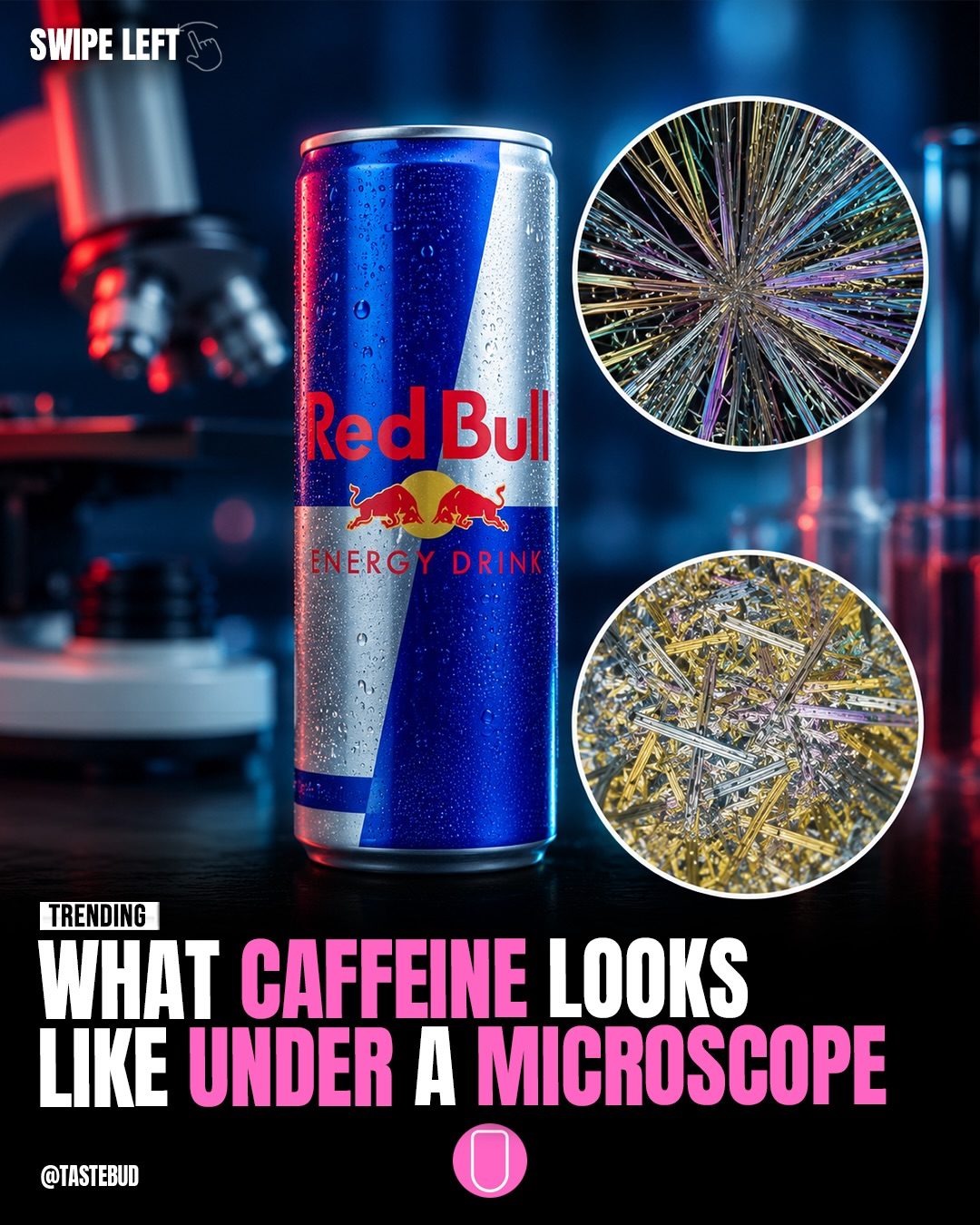
Not many people think about the crystalline structure of caffeine or even what it looks like. This was demonstrated by a Red Bull can. Extending the appeal of Red Bull as a functional beverage, the crystalline structure on display was a compelling image for caffeine, showcasing the microscopic world of energy drinks. A close-up of these crystals reveal a structure approximating the form of a needle cluster, a stark contrast to its stimulant reputation.
Caffeine: A Crystalized Lift
Caffeine looks strikingly very geometric under a microscope. This crystalline structure is known as a cubic crystal system, as described by TASTEBUD. But what does that mean? All organic molecules like caffeine exhibit this property, and it’s a trait known among scientists as the reason caffeine dissolves well in water. The visual representation of caffeine in this instance offers a new perspective. Caffeine is an organic molecule that exists in all sorts of places–including energy drinks–and it’s all around us.
The Energy in a Crystalline Structure
The under-the-microscope shots of Red Bull highlight the intricate beauty of caffeine. The visuals reveal how a single molecule can support the drink's function, revealing it as an essential component of the energy drink. Crystals and molecules are beautiful, but they also have function. This may not be the first time the crystalline world of caffeine has been revealed, but it’s exciting that such a visual experience is possible. The crystalline structure of caffeine is an intricate world of atoms, bonds and electrons, which create the energy many of us enjoy in an energy drink.
Watch the Reel
Related deep dives
Similar reads based on topic and creator.




Recent articles
Fresh deep dives from the latest Reels we unpacked.




Comments
Be the first to comment.