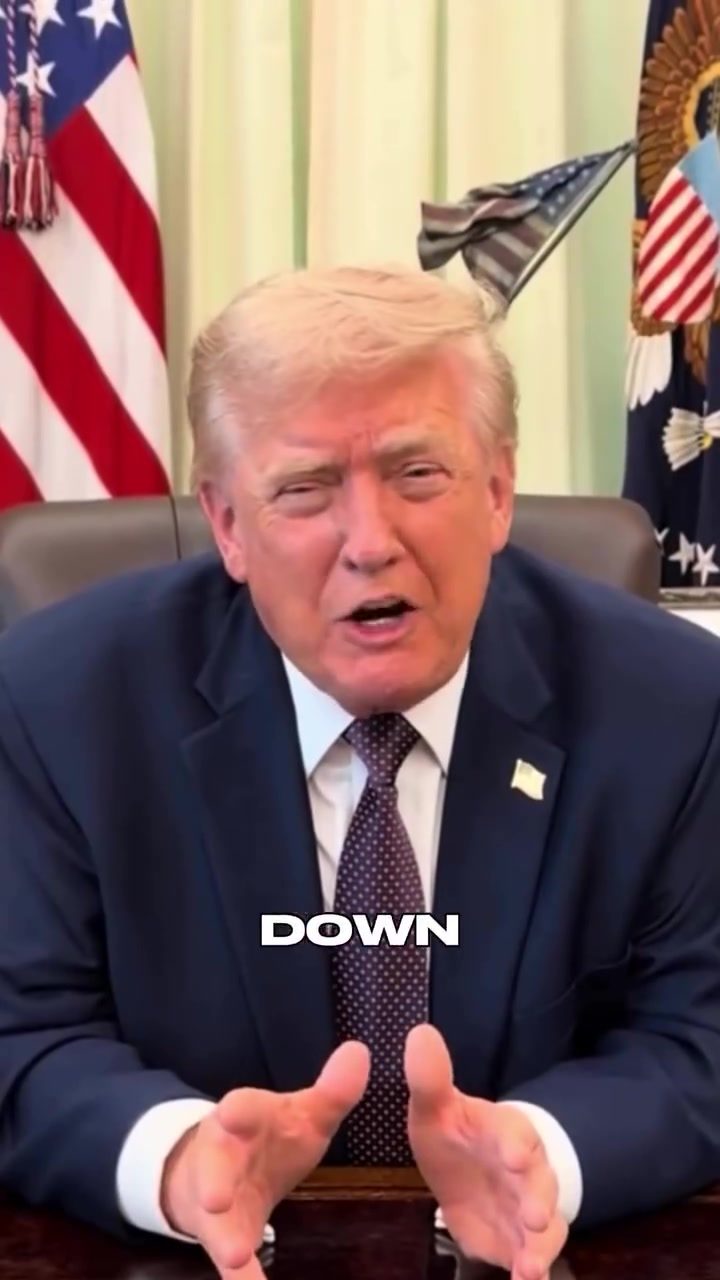
Donald Trump's Criticism of Israel’s Military Response in Lebanon
Donald Trump's recent comments about Israel's military actions in Lebanon have sparked significant attention. His remarks highlight the complexities of the Israeli-Lebanese conflict and the broader regional dynamics, particularly involving Syria. Trump's criticism of Israel's strike on Beirut and the disproportionate force used against Hezbollah underscores the heated tensions in the region.
Why This Matters
The Israeli-Lebanese conflict is a long-standing and complex issue with deep-seated historical and geopolitical dimensions. Recent developments, including Israel's military actions in Lebanon, have only intensified the conflict. Trump’s comments, which criticize Israel’s approach, add another layer of complexity to the situation. Understanding these dynamics is crucial for grasping the broader implications for regional stability and international relations.
Main Discussion
Trump's Criticism of Israel's Military Actions
Trump's remarks on Israel's military response in Lebanon have been particularly incisive. He described the strike on Beirut as "vicious" and criticized Prime Minister Netanyahu for using disproportionate force against Hezbollah. This criticism came at a time when Trump was trying to clinch a deal with Iran, adding another layer of complexity to the situation. Trump emphasized that the Israeli-Relations with Lebanon and Hezbollah should be handled more judiciously, suggesting that Netanyahu's approach was not only excessive but also counterproductive.
Tensions with Netanyahu
The spat between Trump and Netanyahu has become increasingly heated, with Trump's comments highlighting the strain in their relationship. Trump's criticism of Israel's handling of the situation in Lebanon and his suggestion that Syria's President Ahmed al-Sharia could be brought in to fight Hezbollah in Lebanon show a surprising shift in his approach to the conflict. This remark is particularly noteworthy given Lebanon's fragile religious makeup and its painful history of Syrian intervention. The delicate balance of power in Lebanon and the potential for escalation are significant concerns that Trump’s comments bring to the forefront.
Broader Regional Implications
The involvement of Syria in the Israeli-Lebanese conflict adds another layer of complexity to the situation. Trump's suggestion that Syria's President could be involved in fighting Hezbollah in Lebanon is a bold move, given the historical and current political dynamics in the region. The fragile religious makeup of Lebanon and its painful history of Syrian intervention make this a highly sensitive issue. The potential for increased instability and further escalation of the conflict is a real concern. Understanding these broader implications is crucial for assessing the potential impact of Trump's comments on the region.
Comments on Disproportionate Force
Trump’s argument that Netanyahu is using vastly disproportionate force against Hezbollah is a key point of contention. While Israel maintains that it is responding to Hezbollah fire, Trump's perspective is that the response is unnecessarily harsh. This raises important questions about the appropriate use of force in conflict situations and the potential for escalation. The delicate balance between defending national security and avoiding excessive force is a critical issue in the Israeli-Lebanese conflict and broader regional dynamics.
Practical Tips
When analyzing geopolitical conflicts and their implications, it is important to consider the following:
- Contextual Understanding: Gain a deep understanding of the historical and political context of the conflict. This includes the fragile religious makeup of Lebanon, its history of Syrian intervention, and the broader regional dynamics involving Syria, Israel, and Hezbollah.
- Stakeholder Perspectives: Consider the perspectives of all stakeholders, including Israel, Lebanon, Hezbollah, and the broader international community. Understanding the motivations and concerns of each party is crucial for a comprehensive analysis.
- Balance and Proportionality: Evaluate the appropriateness of military actions and the use of force. Assess whether the actions taken are proportionate to the threat and whether they are likely to achieve the desired outcomes without causing further escalation.
- Long-Term Implications: Consider the potential long-term implications of military actions and political statements. Assess how these actions might impact regional stability, international relations, and the broader geopolitical landscape.
- Potential for Escalation: Be aware of the potential for escalation in conflict situations. Evaluate how different actions and statements might contribute to further violence and instability.
Important Takeaways
- Trump's criticism of Israel's military response in Lebanon highlights the complexities and tensions in the Israeli-Lebanese conflict.
- The involvement of Syria in the conflict adds another layer of complexity and potential instability.
- Trump's suggestion that Syria's President could be involved in fighting Hezbollah in Lebanon is a bold and controversial move, given the historical and current political dynamics in the region.
- The delicate balance between defending national security and avoiding excessive force is a critical issue in the conflict.
- Understanding the perspectives of all stakeholders, the historical and political context, and the potential long-term implications of military actions and political statements is crucial for a comprehensive analysis of the situation.
Conclusion
Trump's criticism of Israel's military response in Lebanon and his suggestion that Syria's President could be involved in fighting Hezbollah in Lebanon highlight the complexities and tensions in the Israeli-Lebanese conflict. These comments add another layer of complexity to the situation and underscore the potential for further escalation and instability in the region. Understanding the broader implications of these developments and the perspectives of all stakeholders is crucial for assessing their impact on regional stability and international relations.
Watch the Reel
Questions readers ask
What specific actions by Israel did Trump criticize?
Trump specifically criticized Israel's military strike on Beirut and the use of what he described as disproportionate force against Hezbollah, a Lebanese political and militant group.
How has Netanyahu responded to Trump's criticism?
Netanyahu has addressed Trump's criticism by asserting Israel's right to self-defense and highlighting the need to counter Hezbollah's aggression, which often involves complex strategic decisions.
How does the Lebanon strike relate to the broader conflict with Iran?
The conflict in Lebanon is intertwined with broader regional tensions, including those between Israel and Iran. Hezbollah, which is backed by Iran, plays a significant role in these dynamics, making the Lebanon strike a part of the larger Iran-Israel conflict.
What is the significance of Syria in Trump's criticism of Israel?
Syria is a key player in the regional dynamics, with its own conflicts and alliances that intersect with the Israeli-Lebanese conflict. Trump's views on Syria are relevant because they influence his stance on Israel's military actions in Lebanon, particularly in relation to Hezbollah.
How does Trump's criticism impact U.S.-Israel relations?
Trump's criticism of Israel's military response has added a layer of complexity to U.S.-Israel relations, particularly in terms of diplomatic communication and strategic alignment. It has also sparked debates about the balance between supporting Israel and addressing regional security concerns.
What is Hezbollah's role in the Lebanon conflict?
Hezbollah is a major player in the Lebanon conflict, often engaging in military actions against Israel. The group's involvement is a significant factor in the Israel-Lebanon tensions and is closely tied to the broader regional dynamics, especially regarding Iran and Syria.
What are the main points of contention in the Israeli-Lebanese conflict?
The main points of contention include territorial disputes, security concerns, and the role of non-state actors like Hezbollah. The conflict is deeply rooted in historical grievances and ongoing geopolitical tensions, making it a complex and multifaceted issue.
Recent articles
Fresh deep dives from the latest Reels we unpacked.




Comments
Be the first to comment.