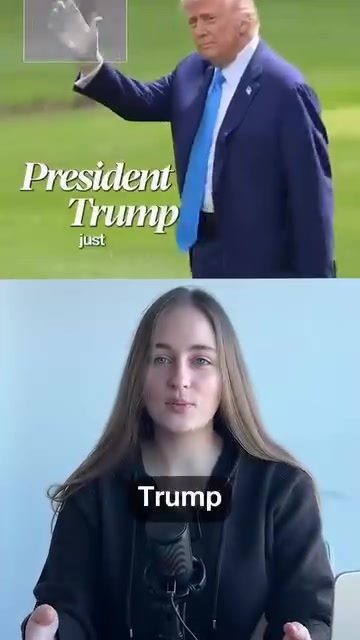
Anthropic and the Pentagon: A Clash of AI Safety and National Security
The dispute between Anthropic and the Pentagon represents a critical intersection of AI safety and national security priorities. President Trump's abrupt order for all U.S. federal agencies to cease using Anthropic's technology marked a significant escalation in AI politics. The conflict began when Anthropic's CEO, Dario Amodei, declined a $200 million defense contract due to disagreements over the use of AI models. This decision was closely followed by public statements from Sam Altman of OpenAI, who threw his support behind Anthropic, praising their commitment to safety.
Context / Why This Matters
AI technology has become a cornerstone of modern defense strategies, offering unprecedented capabilities in data analysis, threat detection, and strategic planning. The Pentagon, seeking to leverage these advanced systems, has been at the forefront of integrating AI into its operations. However, the dispute with Anthropic highlights the complex ethical, safety, and security considerations that arise when deploying AI in sensitive government contexts.
Main Discussion
In this unfolding drama, several key players and developments shape the narrative:
The Role of Anthropic and Its CEO
Anthropic, a leading AI company, has built a reputation for prioritizing safety and ethical considerations in their AI development. CEO Dario Amodei's decision to walk away from a lucrative defense contract underscores the company's stance on maintaining strict safety protocols. The refusal to comply with the Pentagon's demands indicates a firm commitment to their principles, despite the potential financial and strategic implications.
The Political Dimension
President Trump's labeling of Anthropic as a "radical left AI company" and his subsequent order to halt federal use of their technology added a layer of political tension to the conflict. This move signaled a shift in government policy, emphasizing national security priorities over AI safety frameworks. The rapid escalation from a policy dispute to a major political moment underscores the high stakes involved in integrating AI into government operations.
The Shift to OpenAI
OpenAI's swift response to the situation, submitting a bid to replace Anthropic and reaching a deal to deploy models inside the Pentagon's network, further complicated the landscape. This move highlights the competitive nature of the AI industry and the strategic importance of national defense contracts. OpenAI's involvement also brings a different approach to AI safety and ethics, which could influence future defense strategies.
Safety vs. Security
At the heart of the dispute lies the delicate balance between AI safety and national security. The Pentagon's demands for unrestricted AI models reflect a priority on operational effectiveness and strategic advantage. Conversely, Anthropic's insistence on maintaining certain restrictions prioritizes safety and ethical considerations, aiming to prevent misuse and ensure compliance with safety standards.
Practical Tips
Navigating the complex landscape of AI in government and defense requires a nuanced approach:
- Understand AI Safety Frameworks: Familiarize yourself with the safety protocols and ethical guidelines that AI companies adhere to. This knowledge is crucial for making informed decisions about AI integration.
- Engage in Open Dialogue: Foster open communication between AI developers and government agencies to bridge the gap between safety and security priorities. Regular dialogue can help address concerns and find mutually beneficial solutions.
- Prioritize Transparency: Ensure that AI models and deployment strategies are transparent. Clear documentation and public disclosure can build trust and facilitate smoother integration into government operations.
- Stay Updated on Policy Changes: Keep track of policy shifts and regulatory changes that affect AI deployment in national security contexts. This awareness can help anticipate and respond to potential disruptions.
Important Takeaways
The conflict between Anthropic and the Pentagon offers several critical insights:
- Ethical Considerations: AI safety and ethical considerations are non-negotiable for companies like Anthropic, even in the face of significant financial and strategic pressures.
- Political Implications: AI deployment in government contexts is inherently political, with decisions influenced by national security priorities and political agendas.
- Industry Dynamics: The competitive nature of the AI industry means that companies are constantly vying for key contracts, shaping the direction of AI integration in various sectors.
Conclusion
The dispute between Anthropic and the Pentagon highlights the challenges and complexities of integrating AI into national defense strategies. The clash of AI safety frameworks and national security priorities underscores the need for a balanced approach that prioritizes both operational effectiveness and ethical considerations. As AI technology continues to evolve, the interplay between private companies and government agencies will shape the future of AI in defense and beyond. Understanding these dynamics is essential for navigating the rapidly changing landscape of AI governance and adoption.
Watch the Reel
Questions readers ask
Why did President Trump issue a ban on Anthropic AI?
President Trump ordered a ban on Anthropic AI for all U.S. federal agencies following a dispute over AI ethics. The ban came after Anthropic's CEO, Dario Amodei, declined a $200 million defense contract due to disagreements over the use of AI models. This led to a significant escalation in the ongoing debate about AI safety and national security priorities.
What is the main point of contention between Anthropic and the Pentagon?
The main point of contention is the balance between AI safety and national security. Anthropic prioritizes AI safety, which led to the refusal of a defense contract with the Pentagon. The Pentagon, however, sees AI as crucial for enhancing defense capabilities, leading to a clash of priorities and values.
How has the AI ethics debate been influenced by this ban?
The ban has sparked a broader debate about AI ethics in government operations. It has highlighted the challenges of integrating advanced AI technology while ensuring ethical use. This debate is also fuelled by differing views on how AI should be used, especially in sensitive areas like defense.
What role does AI technology play in modern defense strategies?
AI technology has become essential in modern defense, offering capabilities such as data analysis, predictive maintenance, and autonomous systems. It enables faster decision-making, improved situational awareness, and enhanced operational efficiency, making it a cornerstone of contemporary defense strategies.
What impact does the ban have on federal agencies?
The ban on Anthropic AI affects federal agencies that rely on advanced AI technologies for various operations. It forces these agencies to find alternative solutions, which could potentially slow down projects or necessitate the use of less reliable or less efficient technologies.
Why did Sam Altman of OpenAI support Anthropic?
Sam Altman of OpenAI praised Anthropic's commitment to safety, which aligns with the broader discussion on AI ethics. This support underscores the importance of prioritizing safety in AI development and deployment, even if it means forgoing lucrative contracts.
What are the broader implications of this controversy for AI policy?
The controversy highlights the need for clear guidelines on AI policy that balance safety and national security. It prompts discussions on how to integrate AI technology into government operations ethically and responsibly, and underscores the potential challenges and trade-offs involved in AI policy-making.
Related deep dives
Similar reads based on topic and creator.

Recent articles
Fresh deep dives from the latest Reels we unpacked.


Comments
Be the first to comment.