Donald Trump's Criticism of Big Oil During the Iran Crisis
Renewed tensions involving Iran have once again put a spotlight on the global oil industry, particularly as former President Donald Trump publicly criticized major oil companies for earning record profits while energy prices remained elevated. Trump's remarks highlight a critical issue at the intersection of geopolitics and energy markets.
Context: Why This Matters
The Middle East, and particularly Iran, plays a pivotal role in global energy markets. Tensions in the region can have profound impacts on international energy prices due to the strategic location of key shipping routes. The Strait of Hormuz, for instance, is a critical passage for approximately one-third of the world's seaborne oil trade. Any disruption in this area can cause significant fluctuations in global oil prices, affecting economies worldwide. During periods of heightened tensions, such as those involving Iran, the geopolitical instability often leads to increased supply disruptions and price volatility. This context underscores the importance of understanding how political figures and major oil companies navigate these critical moments.
Main Discussion
Trump's Public Criticism
During a time of heightened tensions, former President Donald Trump publicly rebuked major oil companies for their record profits. His criticism focused on the notion that these companies were benefiting from geopolitical instability rather than addressing the broader economic impact of elevated energy prices. Specifically, Trump argued that oil producers should increase supply to help reduce fuel costs, thereby mitigating the economic burden on consumers.
The Role of Big Oil
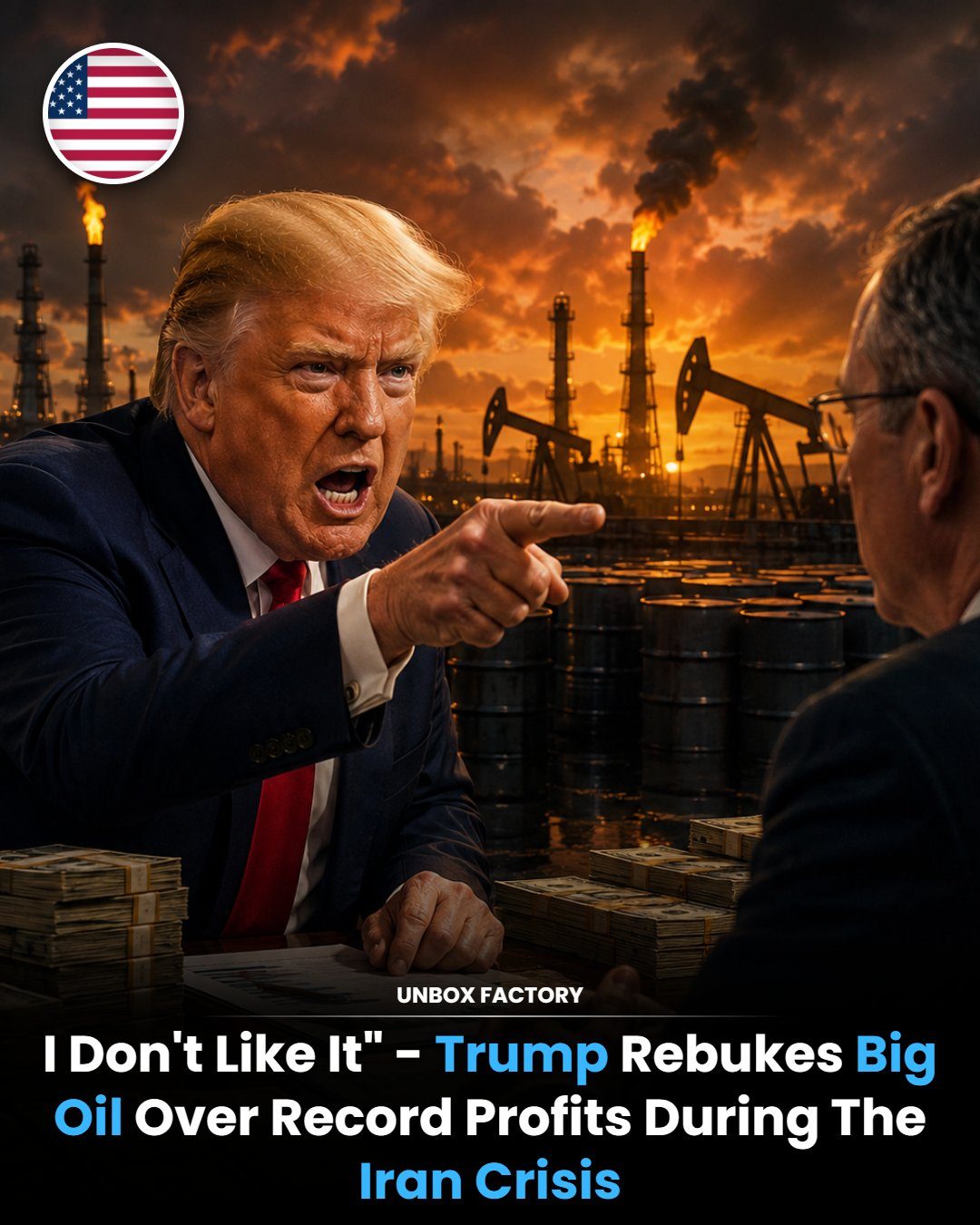
The oil industry is often scrutinized for its influence on global markets and its ability to profit from geopolitical events. During the Iran crisis, concerns about record profits made by oil companies heightened the scrutiny. The symbolic image of Trump pointing accusingly at an oil executive against a backdrop of oil rigs and stacks of money vividly depicts the perceived conflict of interest between political figures and the oil industry. This visual representation underscores the tension between public interests and the profits of major oil companies.
Global Oil Markets and Energy Prices
Global oil prices are inherently linked to geopolitical events, particularly those in the Middle East. Oil companies that operate in these regions often find themselves in a precarious position, balancing the need to maintain supply with the risks posed by regional instability. The Iran crisis, with its potential to disrupt oil supply routes, is a prime example of how geopolitical tensions can drive up energy prices. Trump's criticism of Big Oil reflects the broader public sentiment that these companies should prioritize stability and affordability for consumers over maximizing profits during times of crisis.
Practical Tips
Understanding Oil Market Dynamics
For consumers and investors alike, understanding the dynamics of the oil market is crucial. Monitoring geopolitical events, particularly those in regions like the Middle East, can provide valuable insights into potential price movements. Keeping an eye on energy policy and public statements from key political figures can also offer clues about future market trends.
Investing in Energy
When considering investments in the energy sector, it's important to factor in geopolitical risks. Diversifying your investment portfolio to include a mix of oil, renewable energy, and other energy sources can help mitigate risks associated with geopolitical instability. Additionally, staying informed about regulatory changes and policy shifts can provide a competitive advantage in navigating the volatile energy market.
Policy and Consumer Advocacy
Consumers can play an active role in advocating for policies that prioritize energy affordability and stability. Engaging with policymakers and industry leaders to push for transparency and accountability in the oil industry can help ensure that public interests are balanced with corporate profits. Advocacy groups and public forums are valuable platforms for voicing concerns and pushing for regulatory changes.
Important Takeaways
The Intersection of Politics and Energy
The relationship between political figures and the oil industry is complex and often fraught with perceived conflicts of interest. Public scrutiny of major oil companies during times of crisis highlights the need for greater transparency and accountability in the energy sector.
The Impact of Geopolitical Events
Geopolitical tensions, particularly in the Middle East, have a significant impact on global oil prices and energy markets. Understanding how these events influence market dynamics is crucial for consumers, investors, and policymakers alike.
The Role of Public Pressure
Public pressure and advocacy can play a pivotal role in shaping energy policies and industry practices. By raising awareness and pushing for regulatory changes, consumers and advocacy groups can help ensure that the interests of the general public are not overshadowed by corporate profits.
Conclusion
The renewed tensions involving Iran and Donald Trump's public criticism of major oil companies underscore the complex interplay between geopolitics, energy markets, and public interests. The visual depiction of Trump rebuking Big Oil serves as a powerful reminder of the perceived conflict of interest between political figures and the oil industry. By staying informed about global market dynamics and advocating for policy changes, consumers and investors can navigate the complexities of the energy sector more effectively.
Watch the Reel
Questions readers ask
Why did Trump criticize Big Oil during the Iran crisis?
Trump criticized major oil companies for their record profits while energy prices were high during the Iran crisis. He suggested that it was not fair that these companies should be reaping high profits on the back of high energy prices, while the average consumer was struggling with high costs.
How do tensions with Iran impact global oil prices?
Tensions with Iran significantly impact global oil prices due to its strategic location in the Middle East. The Strait of Hormuz, a key shipping route for oil, is a critical passage for approximately one-third of the world's seaborne oil trade. Any disruption can lead to increased oil prices, impacting economies worldwide.
What is the significance of the Strait of Hormuz in the global energy market?
The Strait of Hormuz is a critical passage for approximately one-third of the world's seaborne oil trade. Its strategic importance means that any disruption in this region can significantly impact global oil prices, affecting economies and geopolitical stability.
How did Trump's criticism of Big Oil highlight the intersection of geopolitics and energy markets?
Trump's criticism highlighted the intersection of geopolitics and energy markets by drawing attention to the role of oil companies in global energy prices and the impact of Middle East tensions on these prices. He suggested that oil companies' profits and price increases were not justified, given the geopolitical instability.
What was Trump's stance on the oil industry's role in global markets during the Iran crisis?
Trump's stance was critical, arguing that major oil companies were profiting excessively from elevated energy prices during a time of geopolitical instability. He implied that these companies should not be reaping such high profits at the expense of consumers struggling with high energy costs.
How might Trump's criticism influence public perception of the oil industry?
Trump’s criticism could sway public opinion by highlighting the disparities between corporate profits and consumer costs. This might lead to increased scrutiny of the oil industry's practices, especially during periods of geopolitical tension and rising energy prices.
Why is the Middle East so pivotal in global energy markets, and how does it relate to the Iran crisis?
The Middle East is pivotal due to its vast oil reserves and strategic shipping routes, such as the Strait of Hormuz. During the Iran crisis, tensions in this region can cause significant disruptions in oil supply, leading to price volatility and economic instability worldwide.
Related deep dives
Similar reads based on topic and creator.

Recent articles
Fresh deep dives from the latest Reels we unpacked.




Comments
Be the first to comment.